About Turmeric Processing Plant
1. Raw Material Procurement
- Selection and Quality Control: High-quality turmeric rhizomes are selected based on factors like color, size, and freshness. Quality control ensures the raw material meets the required standards.
2. Cleaning
- Washing: The turmeric rhizomes are thoroughly washed to remove dirt, soil, and impurities. This can be done using water and sometimes with mild detergents.
3. Boiling or Steaming
- Boiling/Steaming: The cleaned rhizomes are boiled or steamed to soften them, which helps in the drying process and reduces the likelihood of fungal contamination. Steaming is often preferred for better color retention.
4. Drying
- Drying Methods: The boiled or steamed rhizomes are dried using various methods:
- Sun Drying: Traditional method where rhizomes are spread out in the sun.
- Mechanical Drying: Use of dryers or ovens for more controlled and faster drying.
5. Polishing
- Cleaning and Polishing: Dried rhizomes are polished to remove the outer skin and any remaining dirt. This step enhances the appearance and quality of the final product.
6. Grinding
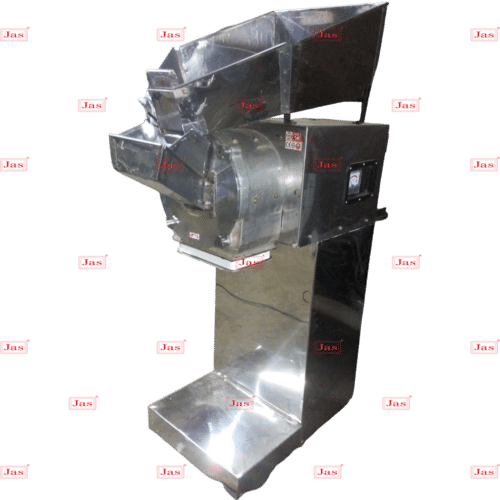
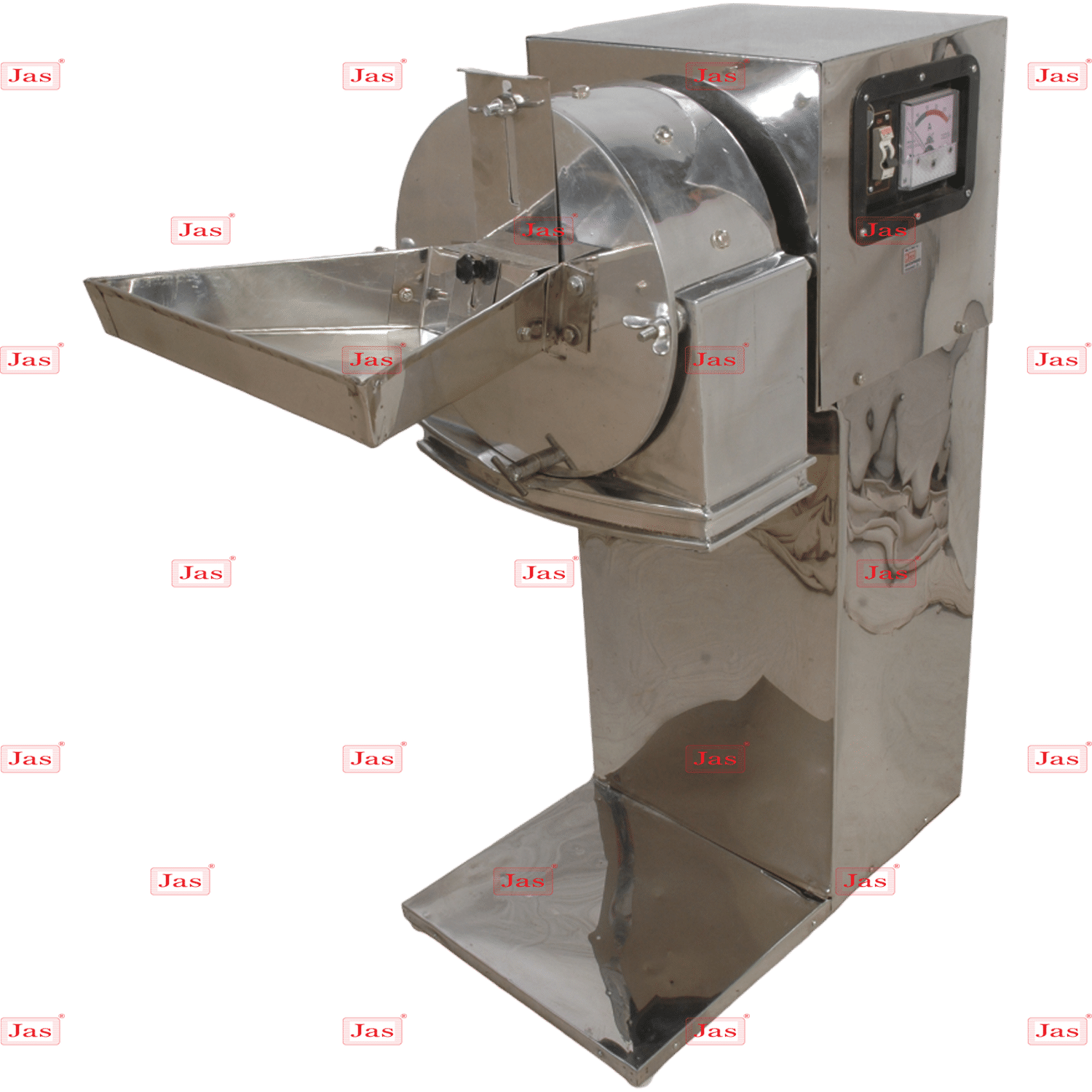
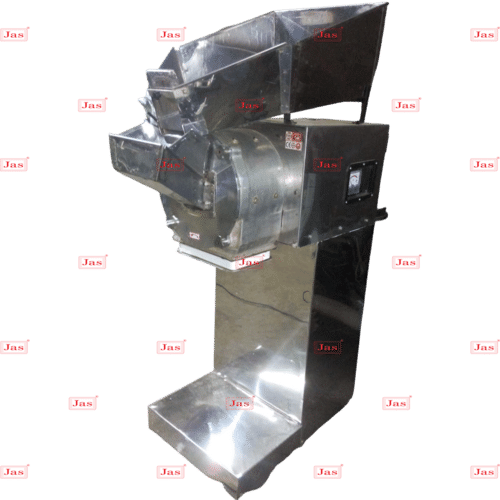
- Milling/Grinding: The dried and polished rhizomes are ground into a fine powder. This powder can be used as turmeric spice or for extraction purposes.
7. Sifting
- Sieving: The ground turmeric is sifted to ensure a uniform particle size and to remove any larger, unwanted particles.
8. Quality Control
- Testing: The turmeric powder undergoes quality control tests for factors such as color, flavor, and purity. Tests may also be conducted for microbial contamination and heavy metal residues.
9. Packaging
- Packaging: The processed turmeric is packaged in moisture-proof and airtight containers to maintain freshness and prevent contamination. Packaging can be done in bulk or retail-sized packages.
10. Storage and Distribution
- Storage: Finished products are stored in a controlled environment to preserve quality.
- Distribution: The packaged turmeric is then distributed to retailers, wholesalers, or directly to consumers.
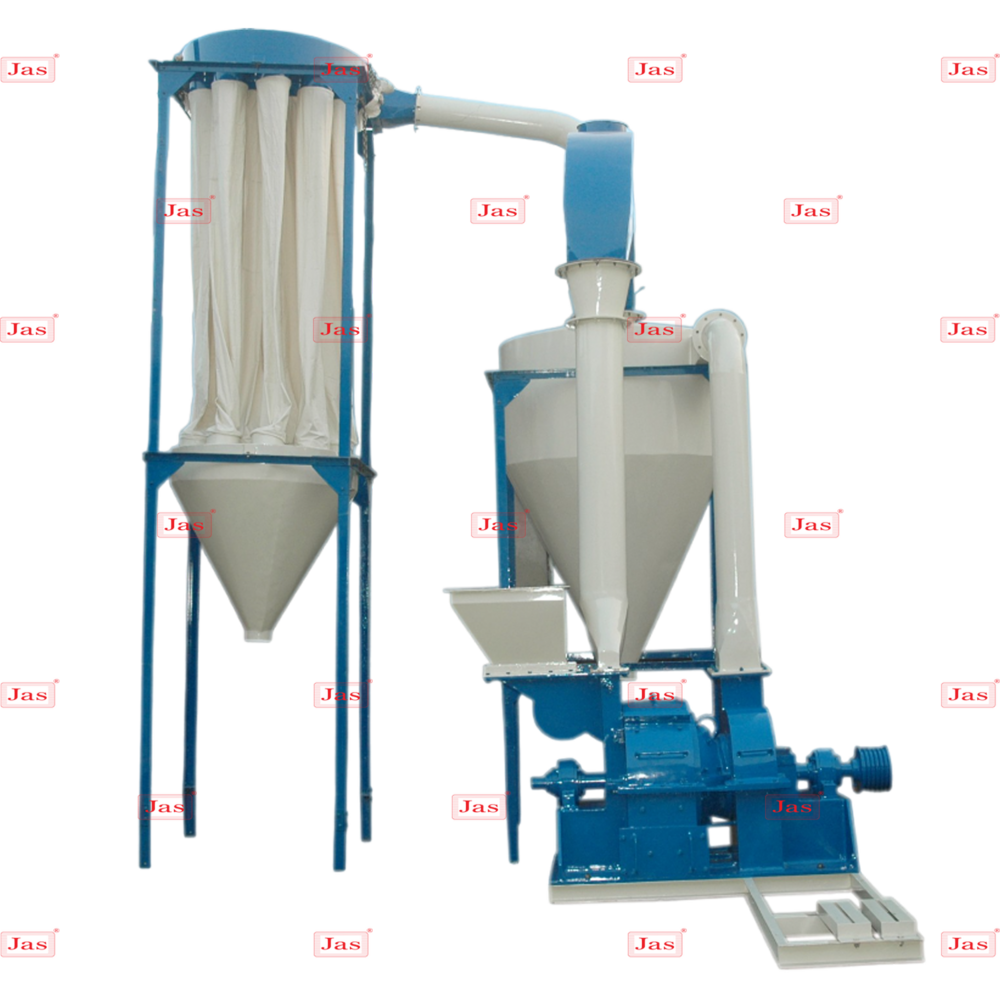
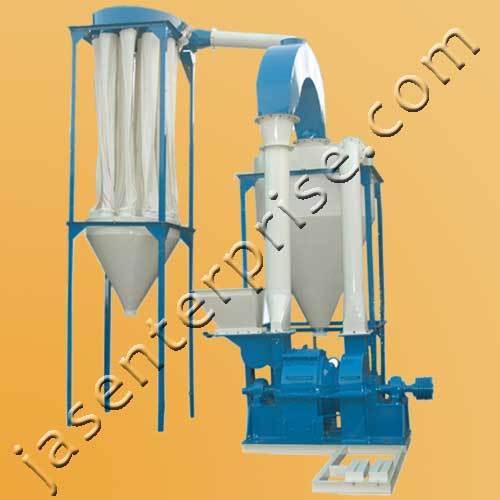
Advanced Processing for Superior Turmeric QualityThis processing plant utilizes cutting-edge automation for precise and uniform turmeric handling. Its eco-friendly design minimizes energy use and operational noise, enhancing both productivity and workplace comfort. Whether you are a supplier or manufacturer, the plant guarantees optimal results for high-volume turmeric processing.
Wide Industry Applications Across IndiaWidely adopted by distributors, exporters, manufacturers, retailers, suppliers, traders, and wholesalers, the plants versatility makes it a valuable investment in Indias spice industry. With its scalable capacity and energy-efficient operation, it addresses the requirements of both small-scale processors and large industrial setups.
FAQs of Turmeric Processing Plant:
Q: How does the Turmeric Processing Plant ensure high performance and efficiency?
A: This plant uses fully automatic mechanisms powered by 230/440 Volt (v), guaranteeing consistent operation, minimal downtime, and superior output quality. The integrated technology supports high throughput while maintaining efficient energy use.
Q: What processes can be managed with this turmeric processing plant?
A: The plant is designed to handle key turmeric processes such as cleaning, peeling, grinding, and packaging. It streamlines each stage to ensure uniform product quality and reduced manual intervention.
Q: When is the best time to use the Turmeric Processing Plant for optimal results?
A: For best results, operate the plant during scheduled production hours, aligning raw material availability and maintenance sessions to maintain peak operational efficiency and product quality.
Q: Where can this Turmeric Processing Plant be installed?
A: This plant is suitable for installation at industrial sites, spice processing units, farms, and commercial production facilities across India, offering flexibility in various business environments.
Q: What benefits do businesses gain using this plant?
A: Businesses benefit from lower energy consumption, reduced noise, automated operations, and consistent high-quality production. These advantages culminate in cost savings and improved environmental impact.
Q: How eco-friendly is the turmeric processing operation?
A: The plant incorporates energy-efficient technology and low-noise operation, reducing energy footprint and creating a more sustainable processing environment compared to traditional systems.








 Send Inquiry

 Send Inquiry
 Send Inquiry
 Send SMS


