Back to top
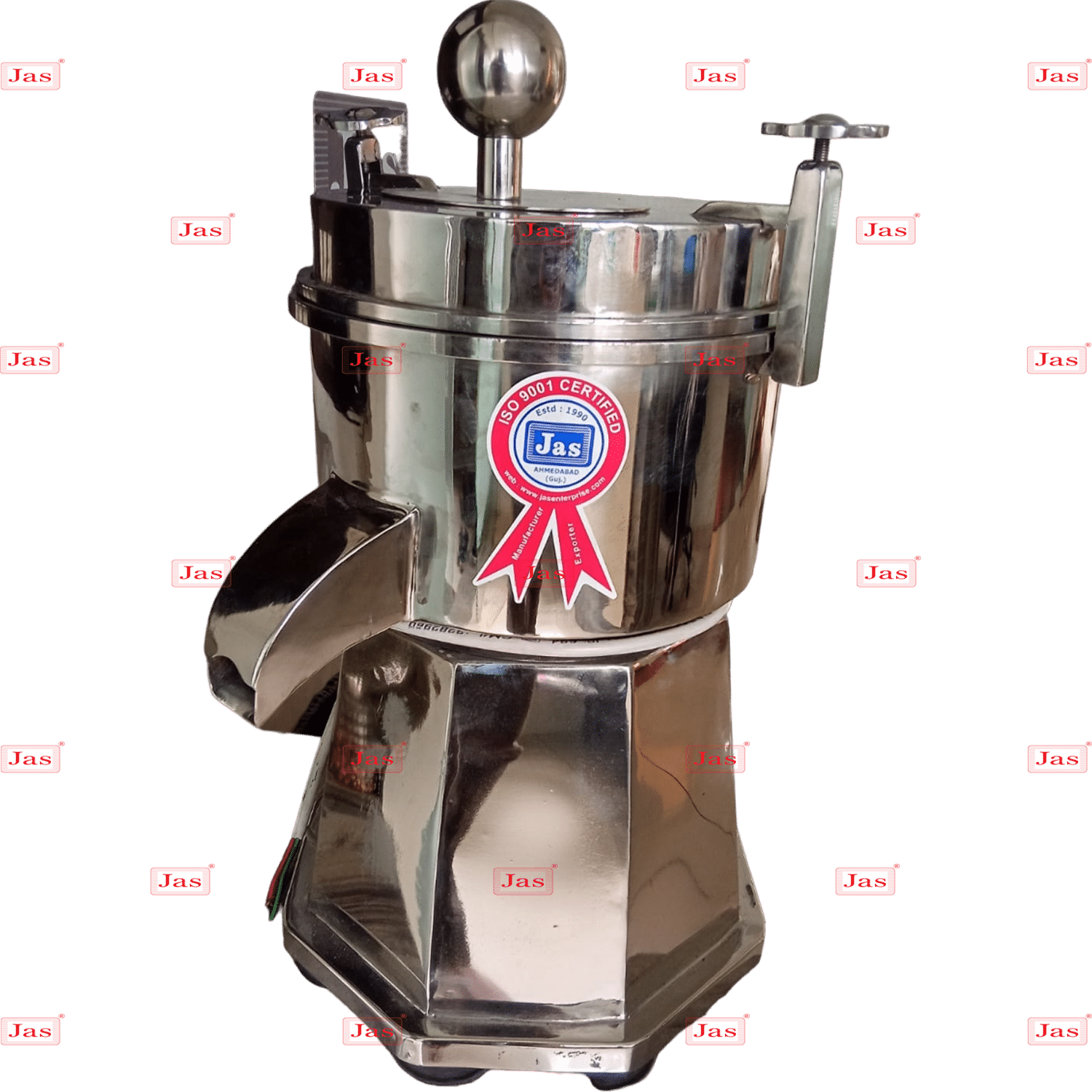
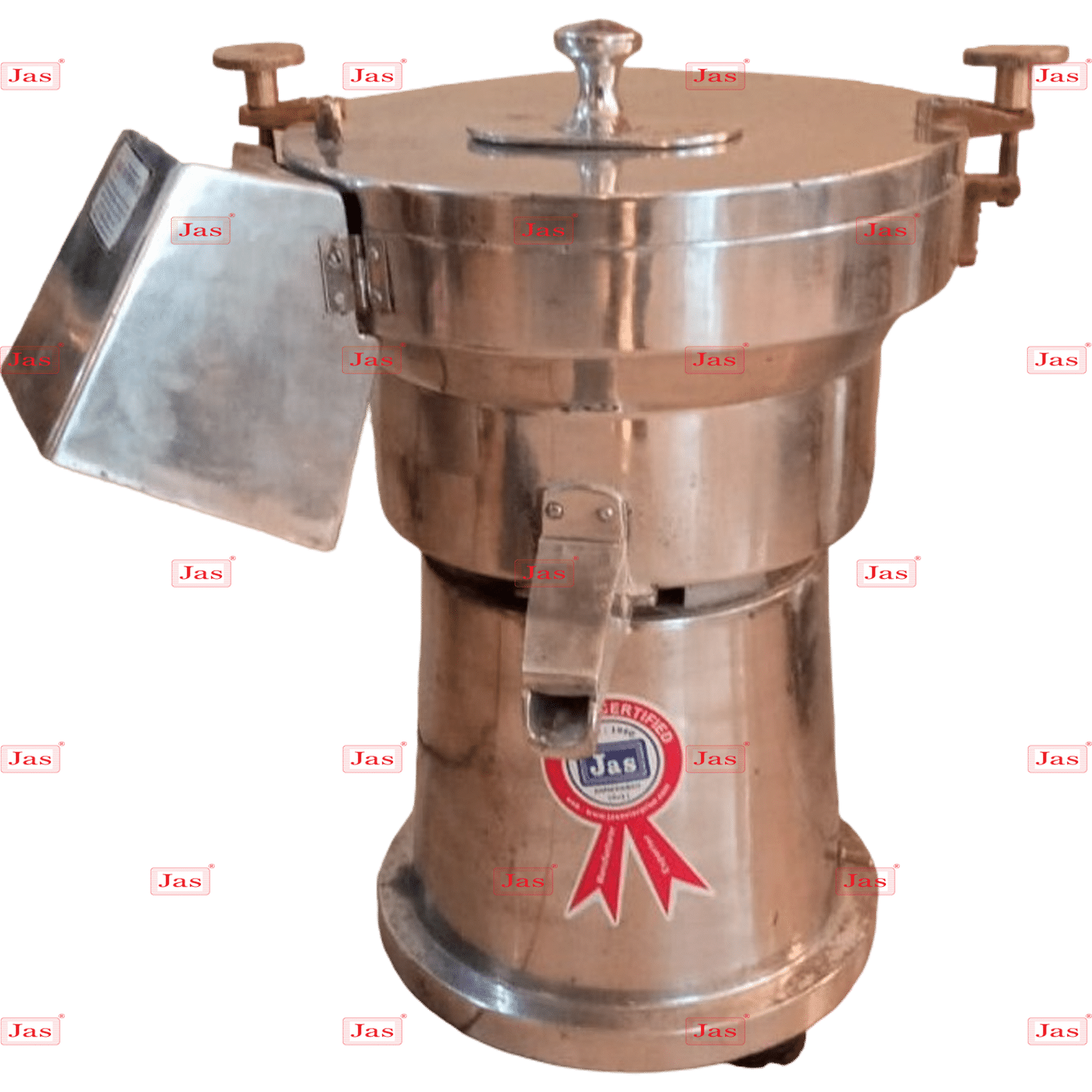
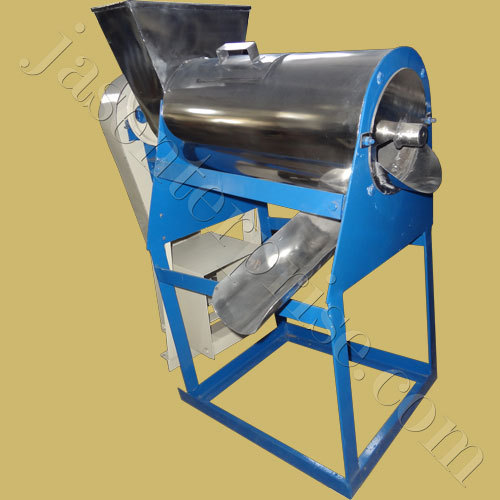
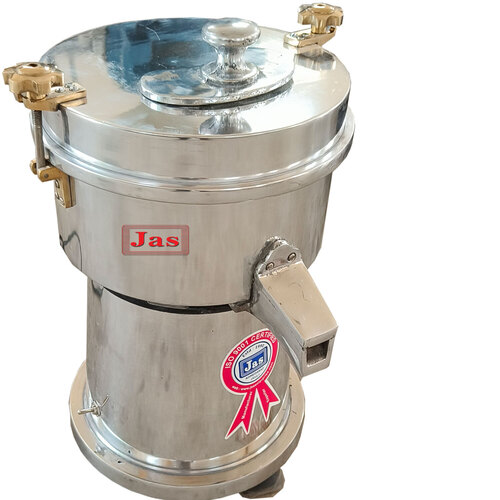
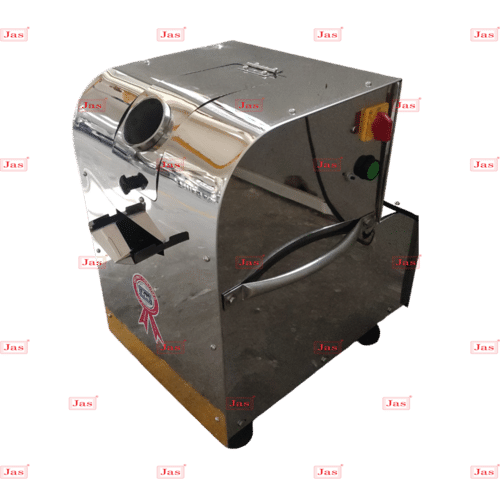
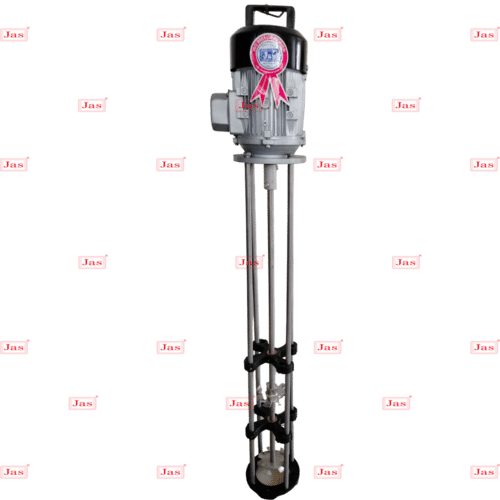
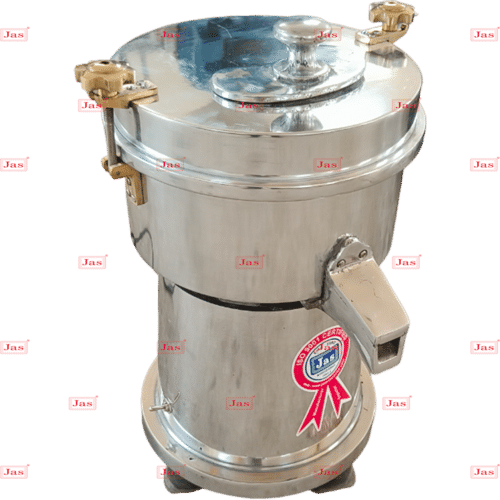
Fruit Juice Plants
Fruit Juice Plants
Fruit Juice Plants
Fruit Juice Plants
Fruit Juice Plants
Fruit Juice Plants

Fruit Juice Plants

Price 10500 INR/ Unit

MOQ : 1 Unit

Fruit Juice Plants Specification

  • Capacity
  • 2-60 GLASS AT A TIME
  • Automatic
  • Yes
  • Voltage
  • 230/440 Volt (v)
  • Feature
  • ECO Friendly, Low Noice, Lower Energy Consumption, Compact Structure, High Efficiency
 

Fruit Juice Plants Trade Information

  • Minimum Order Quantity
  • 1 Unit
  • Payment Terms
  • Cash Against Delivery (CAD), Cash Advance (CA), Cash in Advance (CID), Cheque, Western Union
  • Main Export Market(s)
  • Asia, Australia, Central America, North America, South America, Eastern Europe, Western Europe, Middle East, Africa
  • Main Domestic Market
  • All India, South India, Central India, West India, North India, East India, Gujarat, Karnataka, Kerala, Lakshadweep, Mizoram, Meghalaya, Manipur, Andhra Pradesh, Bihar, Chandigarh, Daman and Diu, Goa, Jharkhand, Odisha, Punjab, Assam, Delhi, Dadra and Nagar Haveli, Andaman and Nicobar Islands, Arunachal Pradesh, Chhattisgarh, Haryana, Himachal Pradesh, Jammu and Kashmir, Madhya Pradesh, Maharashtra, Nagaland, Rajasthan, Sikkim, Tamil Nadu, Telangana, Tripura, Pondicherry, Uttar Pradesh, Uttarakhand, West Bengal
  • Certifications
  • ISO
 

About Fruit Juice Plants

Receiving and Inspection

  • Receiving: Fruits are delivered to the plant, usually in bulk.
  • Inspection: Quality control checks for ripeness, damage, and cleanliness.

2. Washing and Sorting

  • Washing: Fruits are thoroughly washed to remove dirt, pesticides, and other contaminants.
  • Sorting: Fruits are sorted by size, ripeness, and type to ensure uniform quality in the final product.

3. Extraction

  • Juice Extraction: Different methods are used depending on the type of fruit and the desired juice quality. Common methods include:
    • Pressing: Mechanical presses extract juice by squeezing the fruit.
    • Centrifugation: A centrifuge spins the fruit to separate the juice from the pulp.
    • Enzymatic Methods: Enzymes are used to break down the fruits cell walls, making it easier to extract the juice.

4. Clarification and Filtration

  • Clarification: Removing pulp, sediment, and other particulates from the juice.
  • Filtration: Fine filtration to ensure a clear, smooth juice.

5. Pasteurization

  • Heat Treatment: Juice is heated to kill bacteria and extend shelf life. This can be done through:
    • High-Temperature Short-Time (HTST): Quickly heating the juice to a high temperature.
    • Ultra-High Temperature (UHT): Heating juice to an even higher temperature for longer shelf life.

6. Concentration (Optional)

  • Evaporation: Removing a portion of the water from the juice to create a concentrate, which is easier and more economical to transport.

7. Blending and Additives

  • Blending: Combining different juice batches or types to achieve the desired flavor and consistency.
  • Additives: Adding preservatives, flavorings, or vitamins if necessary.

8. Packaging

  • Filling: Juice is filled into containers such as bottles, cartons, or cans.
  • Sealing: Containers are sealed to maintain freshness and prevent contamination.
  • Labeling: Containers are labeled with product information, including nutritional facts and expiration dates.

9. Storage and Distribution

  • Storage: Finished products are stored in warehouses until they are shipped out.
  • Distribution: Juice is distributed to retailers, restaurants, or directly to consumers.


Energy-Efficient and Eco-Friendly Design

Enjoy reduced operational costs and environmental impact with our fruit juice plants. Designed to consume less energy and operate with low noise, these machines are both eco-conscious and ideal for businesses looking to maintain a pleasant working environment.


High Efficiency & Versatility

Our plants offer the versatility to dispense between 2 and 60 glasses of fresh juice at a time. Their streamlined, compact design ensures high efficiency, making them suitable for both small and large-scale establishments.

FAQs of Fruit Juice Plants:


Q: How does the automatic fruit juice plant improve operational efficiency?

A: The automated system streamlines the entire juice extraction process, enabling fast and consistent service for up to 60 glasses at once. This reduces manual intervention, saves time, and ensures a uniform quality of juice for each serving.

Q: What steps are involved in the juice production process using these plants?

A: The process includes loading fresh fruits, initiating the automatic extraction, and collecting juice directly into serving glasses. The compact design and user-friendly controls make it easy to operate and maintain throughout production.

Q: When should I consider investing in this automatic fruit juice plant?

A: If your business requires high-volume juice dispensing with minimal labor and operational costs, this plant is an excellent investment. Its especially beneficial for cafes, restaurants, hotels, and event organizers looking to meet high demand efficiently.

Q: Where are these fruit juice plants commonly installed?

A: These machines are widely used in commercial establishments such as juice bars, restaurants, hotels, catering services, and even schools or hospitals seeking hygienic, rapid juice service in India.

Q: What are the major benefits of using this automatic juice plant?

A: The machine offers several advantages: eco-friendly operation, low noise, reduced energy consumption, high output per cycle, and ease of installationall contributing to lower overheads and improved productivity.

Q: How does the compact structure impact plant installation?

A: Thanks to its compact structure, the plant requires minimal installation space, allowing seamless integration into existing layouts without extensive modifications or disruption to daily operations.

Q: What makes this juice plant suitable for the Indian market?

A: The dual voltage compatibility (230/440V), robust build, and capability to handle busy commercial use align perfectly with the diverse requirements of the Indian hospitality and food service sectors.

Tell us about your requirement
product

Price:

Quantity
Select Unit

  • 50
  • 100
  • 200
  • 250
  • 500
  • 1000+
Additional detail
Mobile number

Email

More Products in Beverage Processing Machines Category

Vegetable and Fruit Pulper

Vegetable and Fruit Pulper

Price 5000.00 INR / Unit

Minimum Order Quantity : 01 Unit

Capacity : 5001000 kg/hr

Computerized : No

Voltage : 220240 V

Automatic : Yes

Mango Pulper

Mango Pulper

Minimum Order Quantity : 01 Unit

Capacity : 250500 kg/hr

Computerized : No

Voltage : 220240 V

Automatic : Yes

Paddle Agitator

Paddle Agitator

Price 20000 INR / Unit

Minimum Order Quantity : 1 Unit

Capacity : 2200 Kg/hr

Computerized : No

Voltage : 230/440 Volt (v)

Automatic : Yes

Automatic Pani Puri Water Serving Machine

Automatic Pani Puri Water Serving Machine

Price 20000 INR / Unit

Minimum Order Quantity : 1 Unit

Capacity : 810 litter / 3 nozzle Ltr