GST: 24AMMPS0980M1ZG
|
|

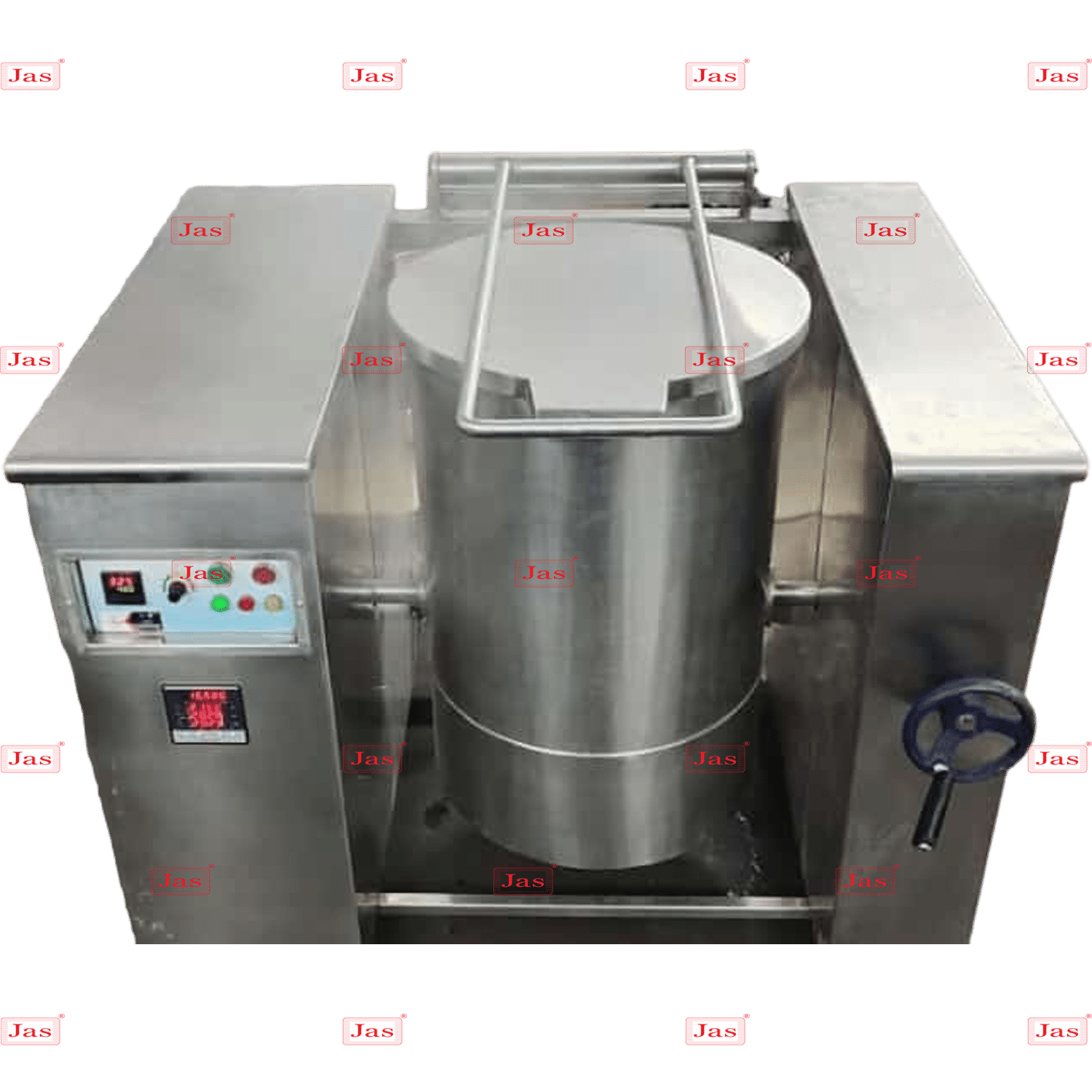
Cooking Surface: It typically has a large, flat cooking surface made from stainless steel. The surface is heated using induction technology, which allows for precise temperature control and even heating.
Tilting Mechanism: One of the main features is its ability to tilt. This allows the contents of the pan to be easily poured out into containers or onto plates once cooking is complete. The tilting mechanism is usually operated manually or electronically.
Capacity: These pans come in various sizes, ranging from smaller models suitable for smaller establishments to large-capacity ones used in high-volume kitchens.
Versatility: Induction tilting pans can be used for a wide range of cooking methods including braising, frying, boiling, sauting, and simmering. They are ideal for preparing large quantities of soups, stews, sauces, and other dishes that require consistent heating and mixing.
Efficiency: Due to the induction heating technology, these pans are energy-efficient and heat up quickly. They also offer precise temperature control, which is essential for cooking delicate dishes or maintaining a specific cooking temperature.
Cleaning and Maintenance: Stainless steel construction makes them easy to clean and maintain. Many models feature smooth, rounded corners and a tilting design that facilitates thorough cleaning.
Safety Features: Modern induction tilting pans often come with safety features such as overheat protection and automatic shut-off to prevent accidents and damage to the equipment.


Price:
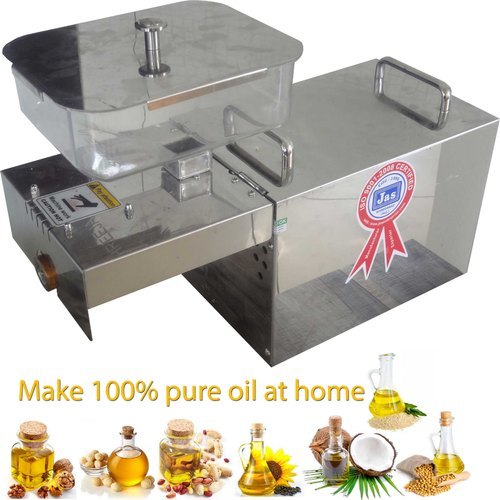
Price 18000.00 INR / Unit
Minimum Order Quantity : 1 Unit
Voltage : 110440 Volt (v)
Capacity : 2 to 20 Kg/hr
Automatic : Yes
Price 102000 INR / Unit
Minimum Order Quantity : 1 Unit
Voltage : 230/440 Volt (v)
Capacity : 2002000 Kg/hr
Feature : ECO Friendly, Low Noice, Lower Energy Consumption, Compact Structure, High Efficiency
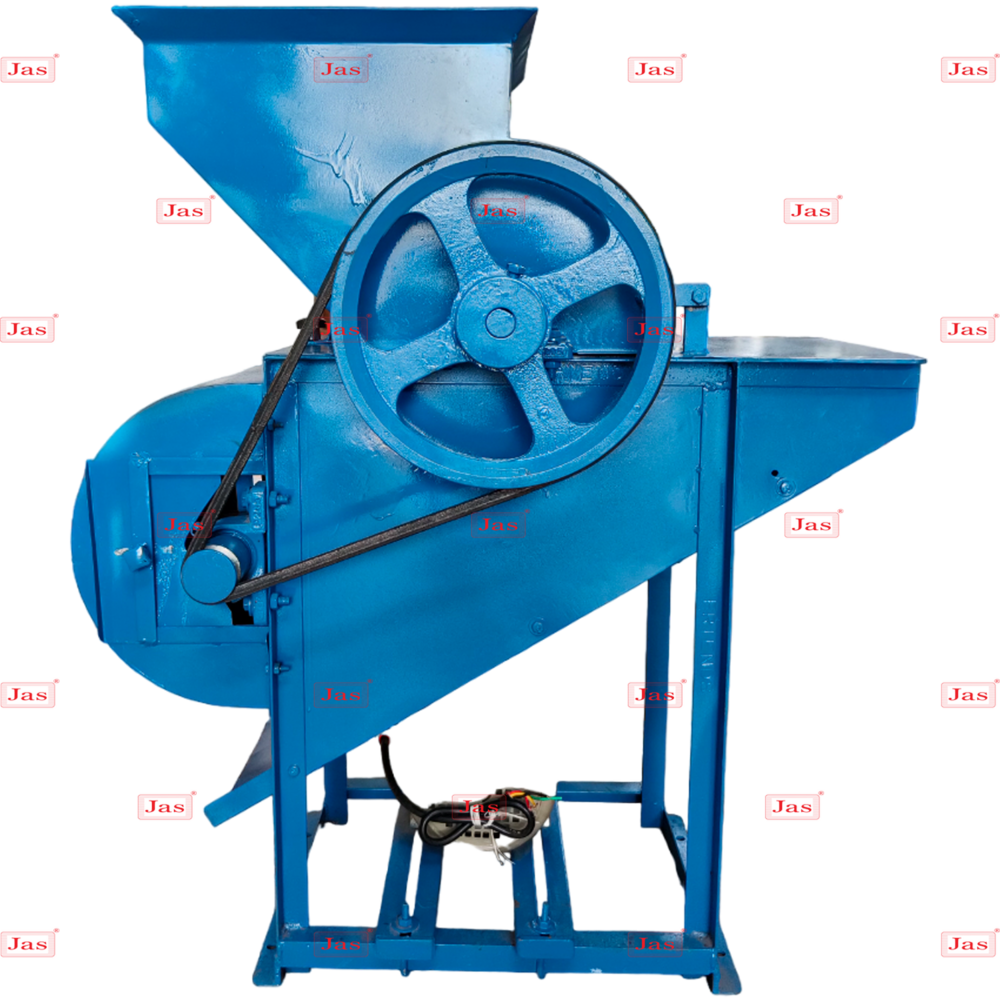
Price 345000 INR / Piece
Minimum Order Quantity : 1 Unit
Voltage : 230/440 Volt (v)
Capacity : 501000 Kg/hr
Feature : ECO Friendly, Low Noice, Lower Energy Consumption, Compact Structure, High Efficiency
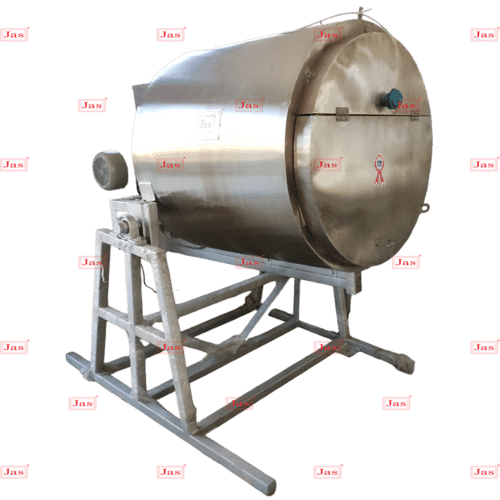
Price 114000 INR / Unit
Minimum Order Quantity : 1 Unit
Voltage : 230/440 Volt (v)
Capacity : 5250 Kg/hr
Feature : ECO Friendly, Low Noice, Lower Energy Consumption, Compact Structure, High Efficiency
Automatic : Yes

GST : 24AMMPS0980M1ZG


|



 Send Inquiry

 Send Inquiry
 Send Inquiry
 Send SMS


