GST: 24AMMPS0980M1ZG
|
|

Automated Mixing and Fermentation: These machines often include systems for mixing the idli batter (a fermented blend of rice and urad dal) and managing the fermentation process. Some models also feature automatic ingredient dispensers.
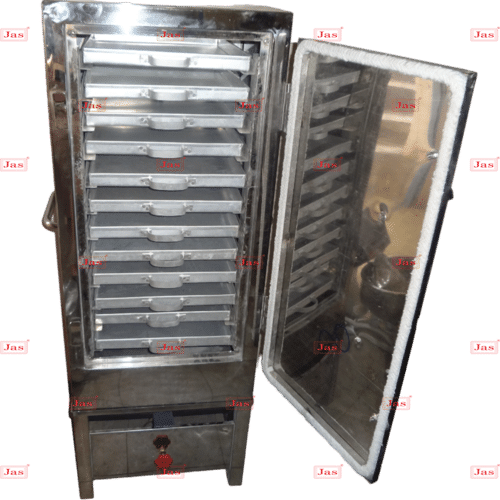
Steam Cooking: The batter is poured into idli molds that are placed in a steam chamber. The machine controls the steaming process to ensure even cooking and proper texture.
Capacity and Efficiency: Industrial models come in various sizes, from small machines producing a few hundred idlis per hour to large-scale units that can make thousands. They are designed to handle large volumes efficiently.
Temperature and Time Control: Advanced machines have precise controls for temperature and steaming time, ensuring consistent quality and texture of the idlis.
Ease of Operation: Most machines are user-friendly, featuring digital controls and interfaces for setting parameters and monitoring the cooking process.
Cleaning and Maintenance: They are designed with hygiene in mind, with easy-to-clean parts and surfaces. Some models include self-cleaning functions.
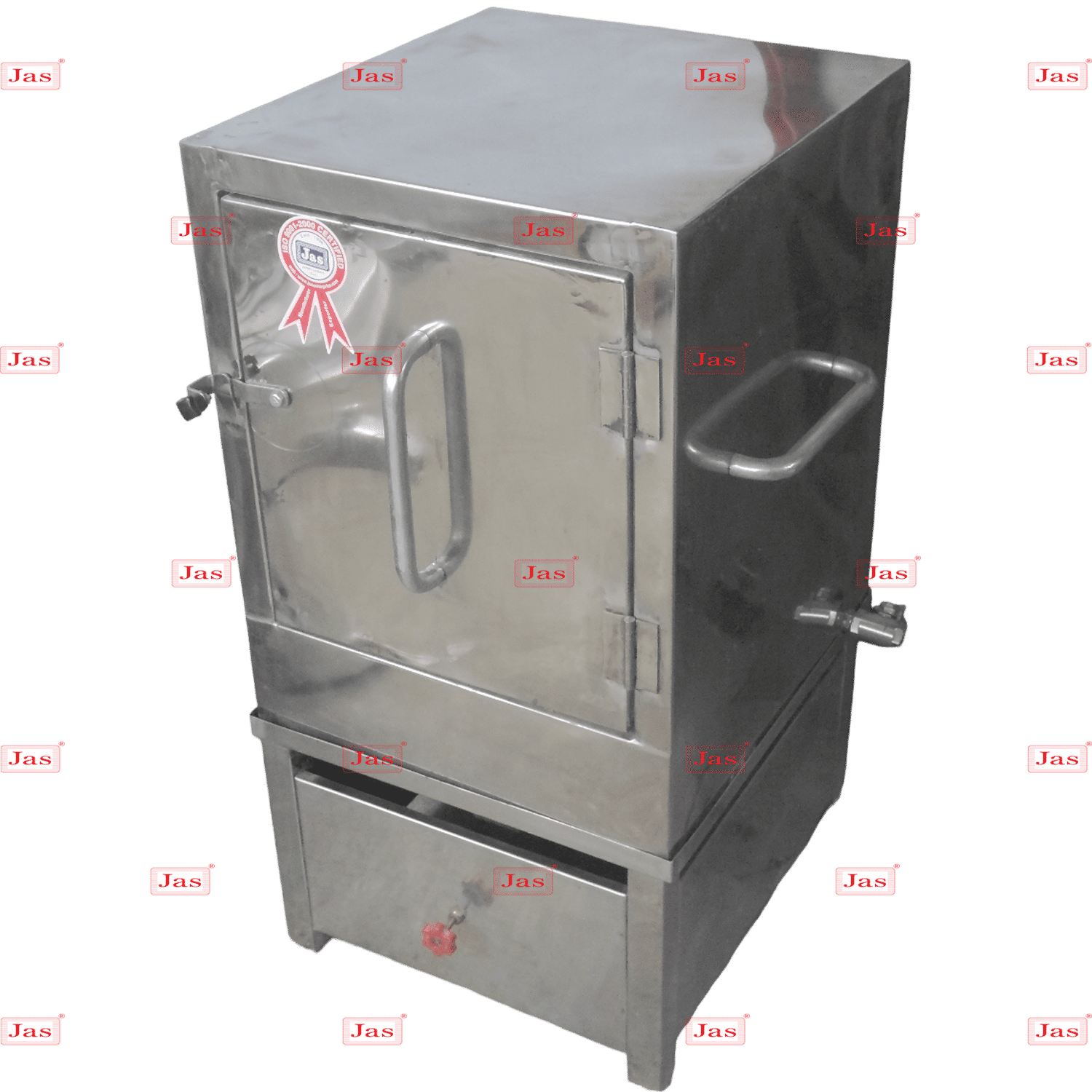
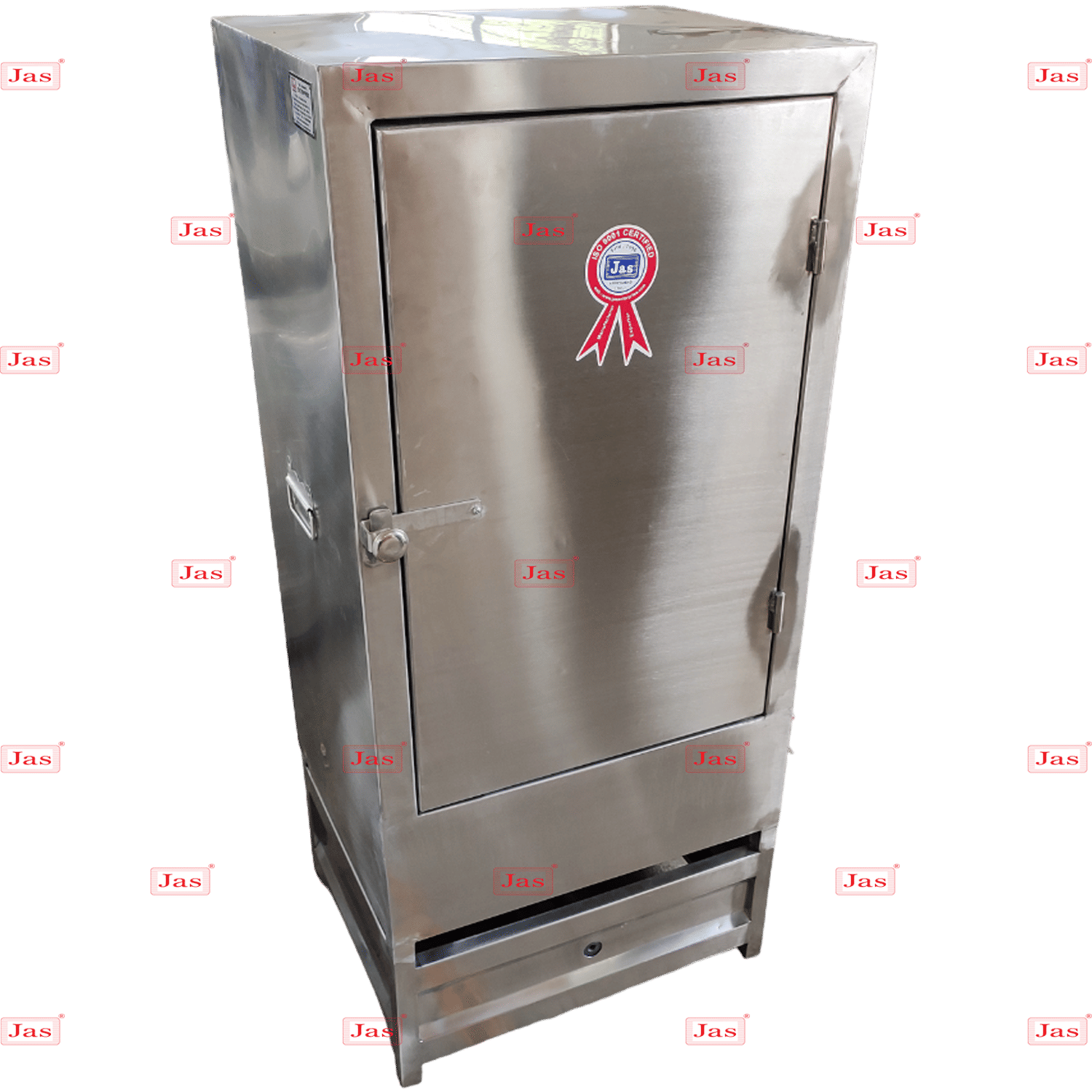
Durability and Build: These machines are typically constructed from stainless steel and other durable materials to withstand continuous use in commercial settings.

Price:
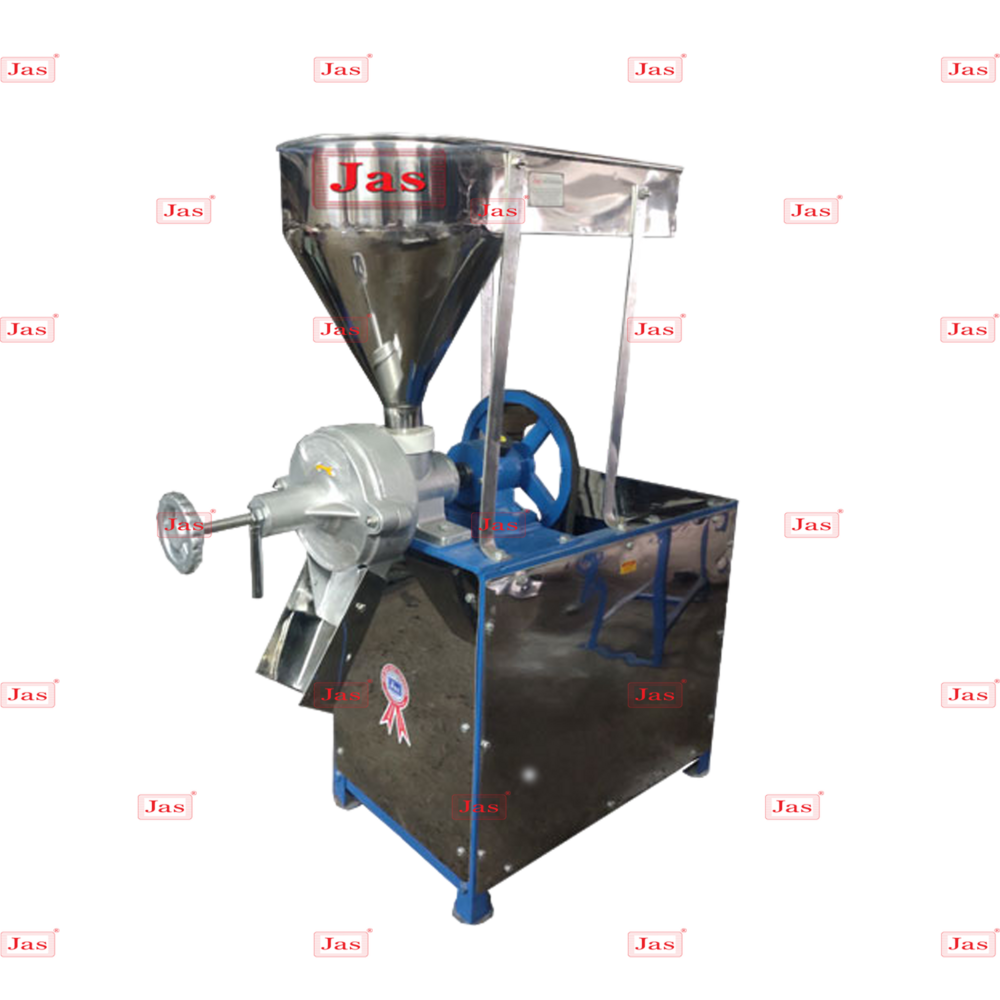
Price 24000 INR / Unit
Minimum Order Quantity : 1 Unit
Feature : ECO Friendly, Low Noice, Lower Energy Consumption, Compact Structure, High Efficiency
Voltage : 230/440 Volt (v)
Phase : Single Phase / Three Phase
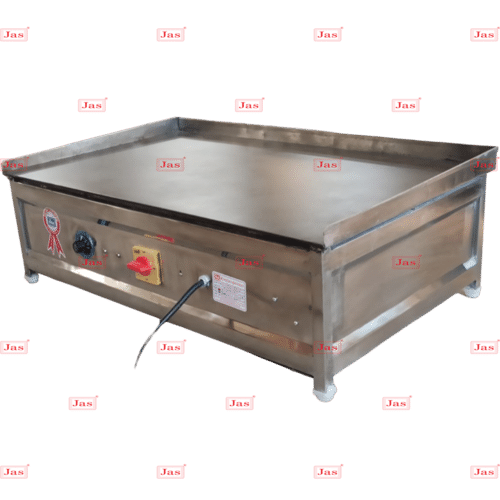
Price 6800.0 INR / Unit
Minimum Order Quantity : 1 Unit
Feature : Lower Energy Consumption, Compact Structure, High Efficiency, ECO Friendly, Low Noice
Voltage : 230/440 Volt (v)
Automatic : Yes
Phase : 13
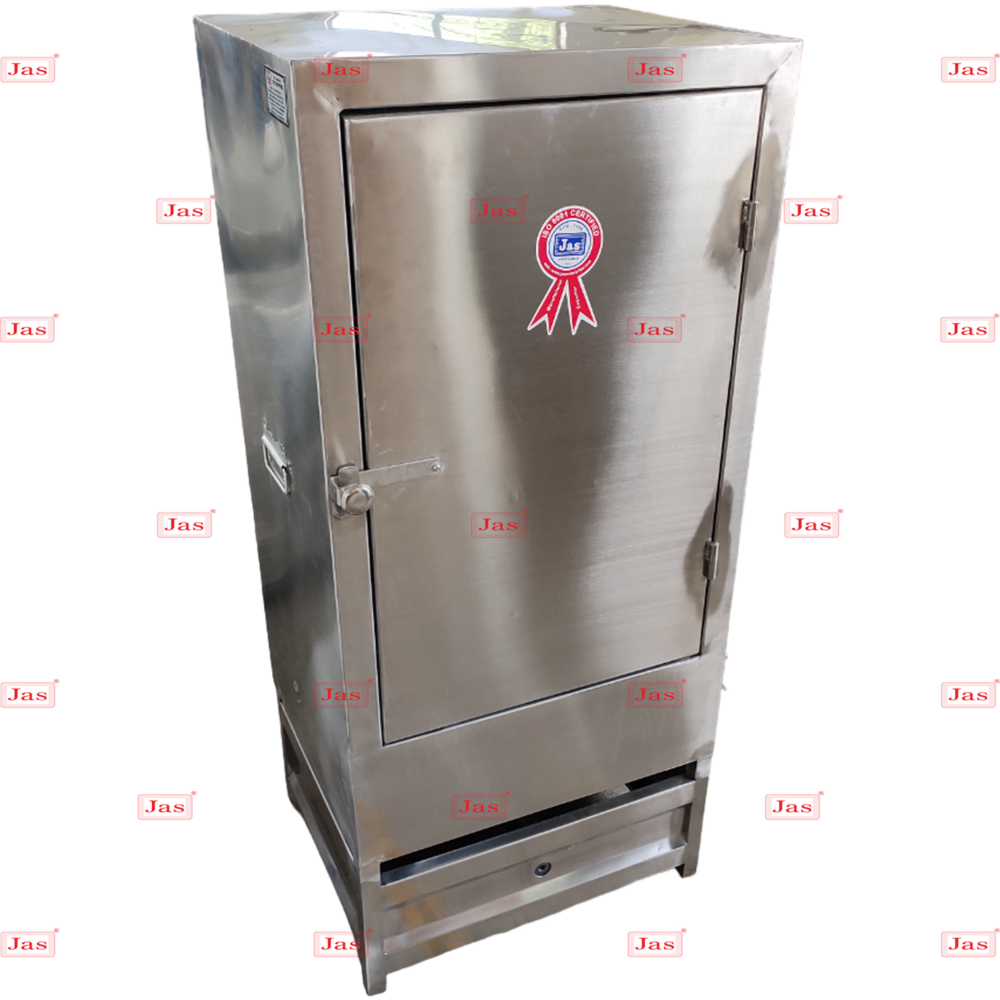
Price 10000 INR / Piece
Minimum Order Quantity : 1 Unit
Feature : ECO Friendly, Low Noice, Lower Energy Consumption, Compact Structure, High Efficiency
Voltage : 220/440 Volt (v)
Phase : Single Phase / Three Phase
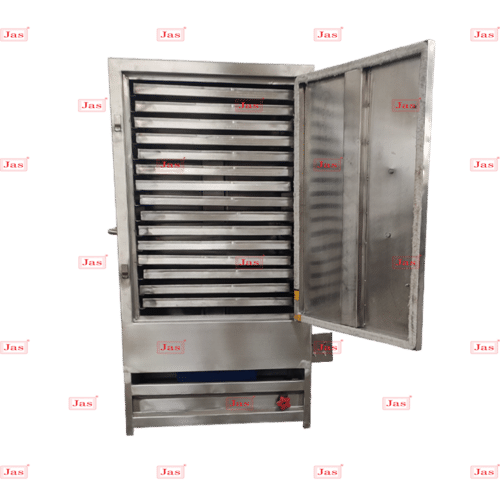
Price 14000 INR / Unit
Minimum Order Quantity : 1 Unit
Feature : ECO Friendly, Low Noice, Lower Energy Consumption, Compact Structure, High Efficiency
Voltage : 230/440 Volt (v)
Automatic : Yes

GST : 24AMMPS0980M1ZG


|



 Send Inquiry

 Send Inquiry
 Send Inquiry
 Send SMS


