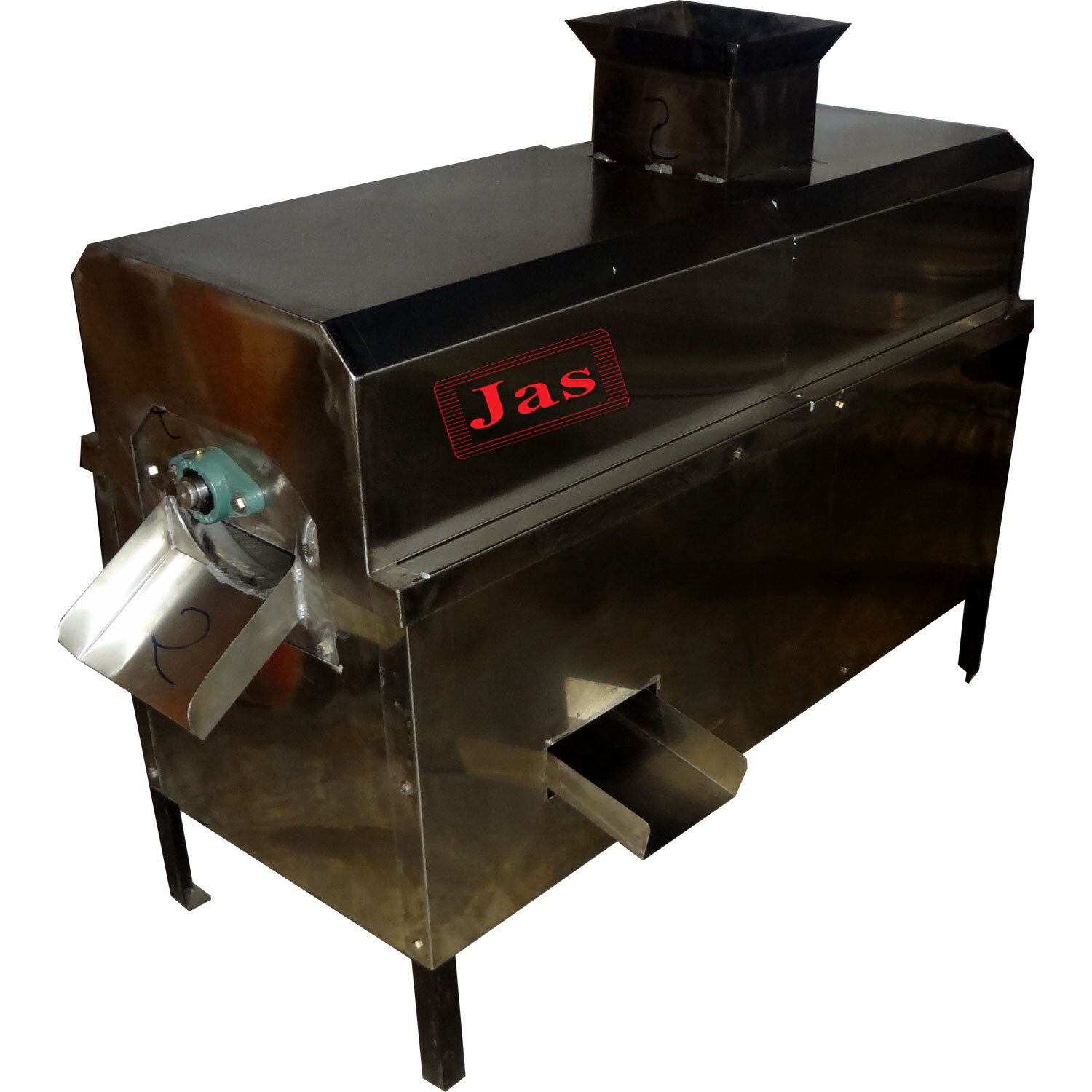
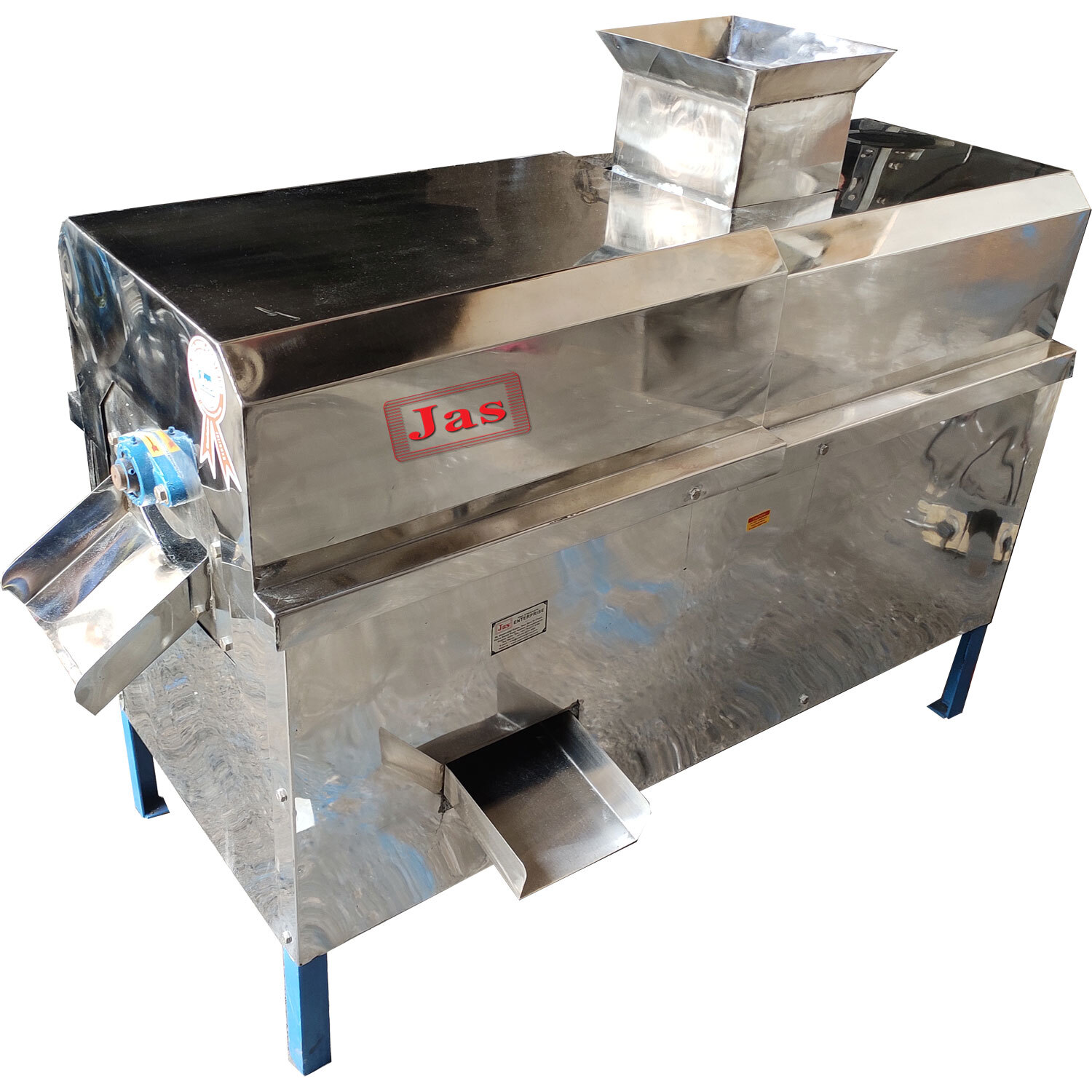
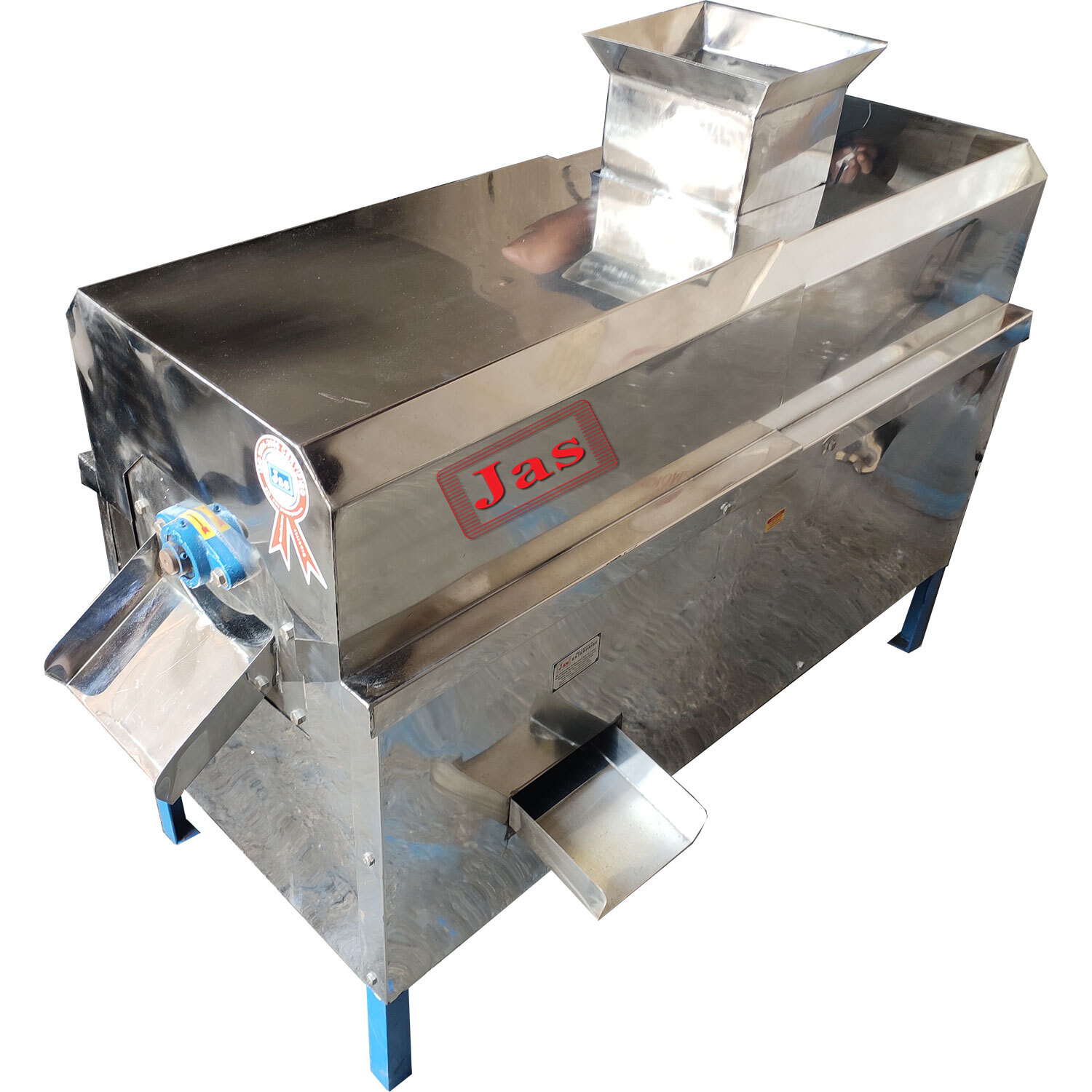
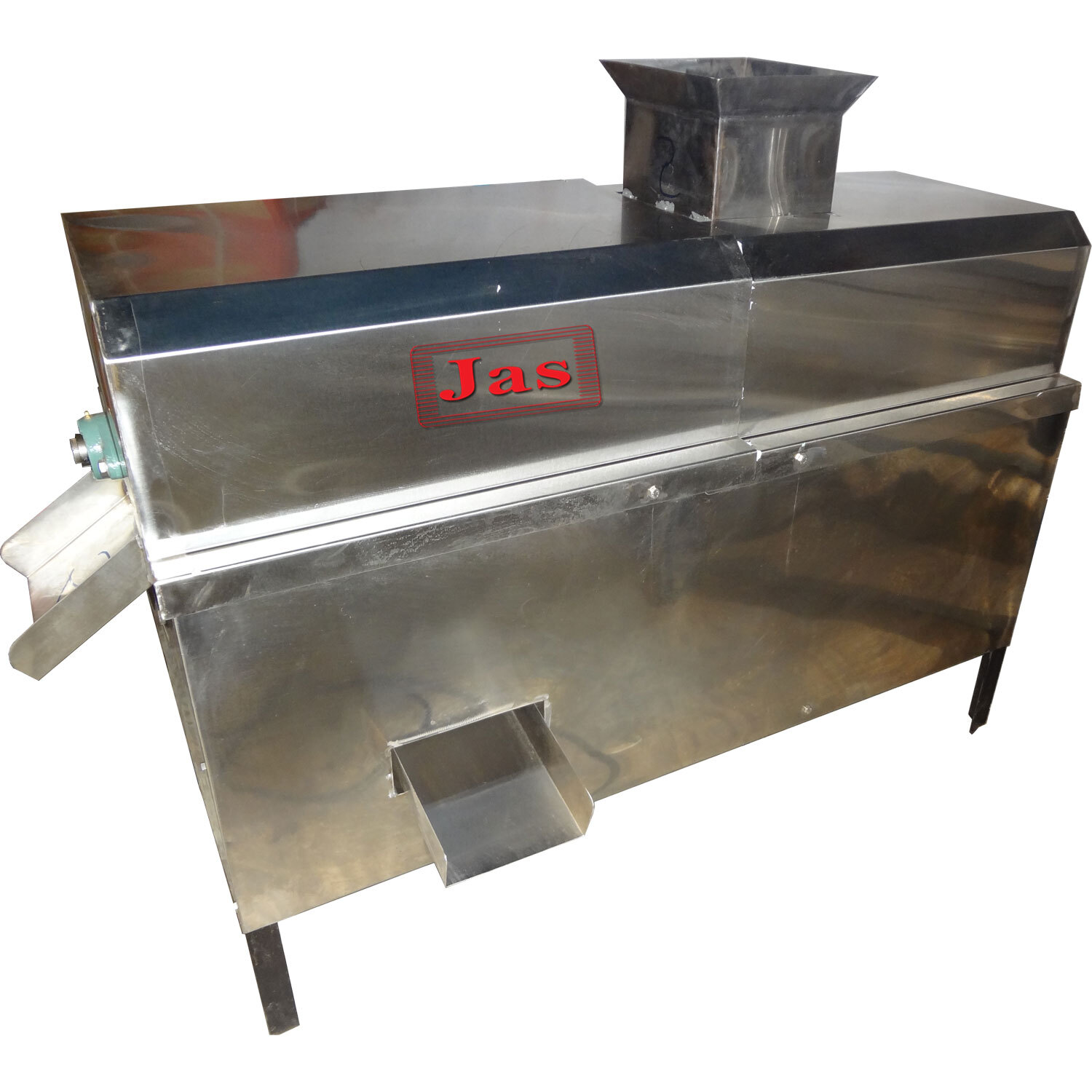
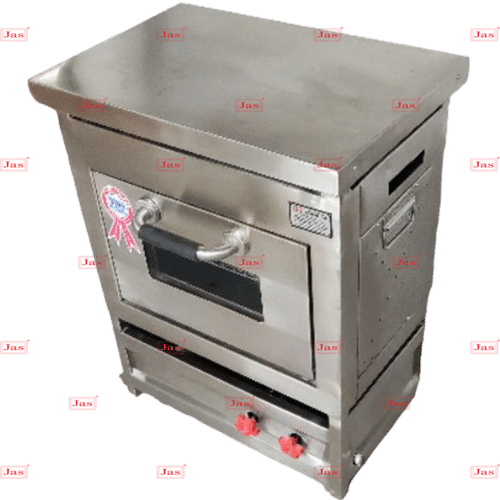
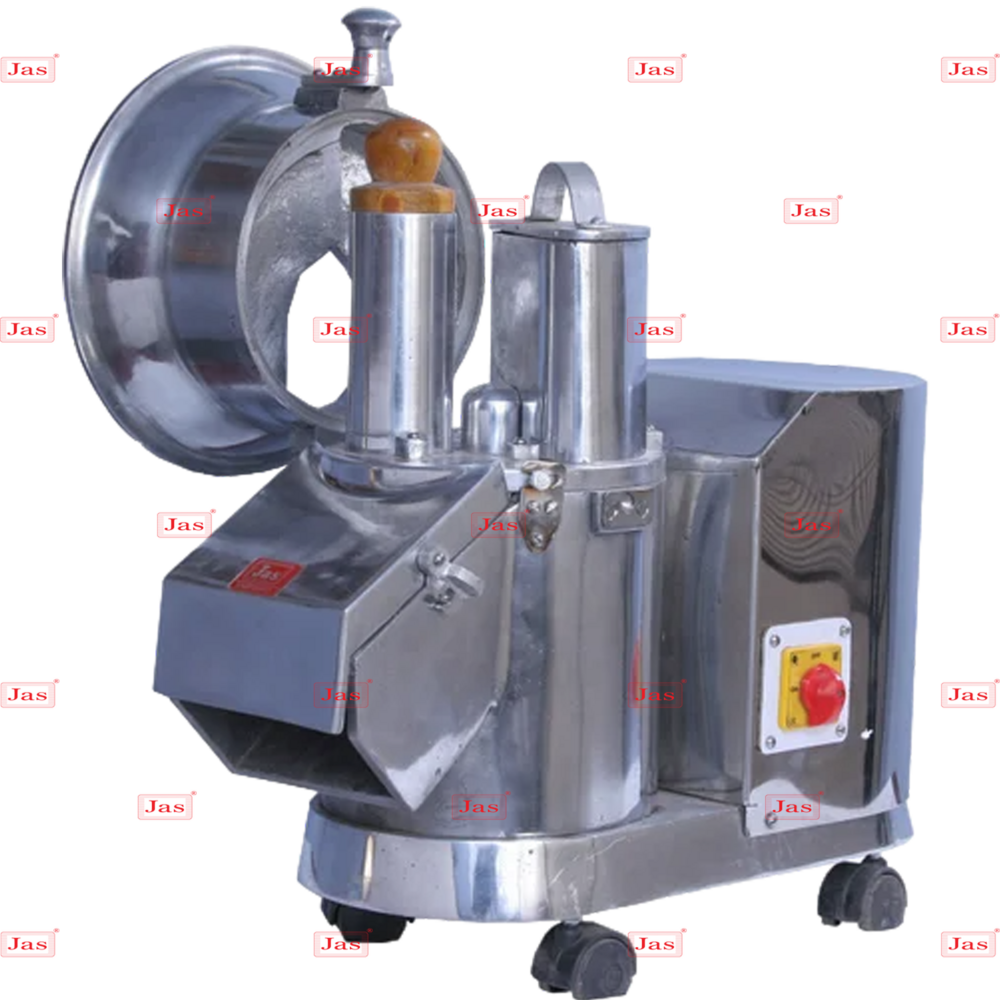
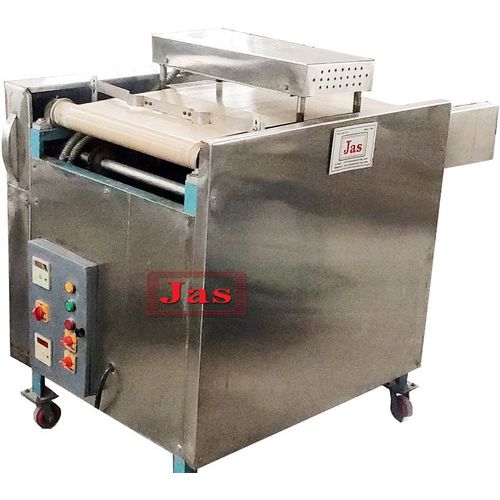
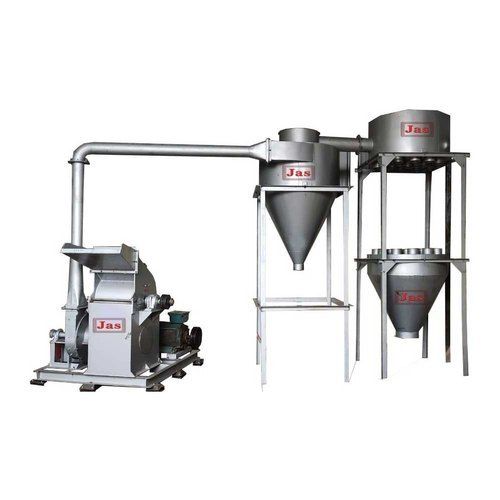
About Pulping Plant
range of vegetable/ fruit pulp processing includes complete setup for processing a range of fruits and vegetables, each one having a tailor designed process specially designed basis on the process requirement for particular fruit/vegetable. The plant specifications can be further classified on the following:
- Type: Automatic or Semi-Automatic
- M.O.C : S.S. 304, S.S. 316L
- Volume: 50 to 2,000 kg per batch
Processing Sections:
- Washing & Cleaning: Rotary Drum Washers/ Belt or Conveyor Washers
- Boiling: Tilting Kettles
- Crushing: Fruit Mills
- Pulping: Single Stage/Dual Pulper
- Mixing: Fixed jacketed kettles with agitators
- Cooling: Jacketed Vessels with agitators
- Packaging: Filling unit followed by suitable sealing and capping
Applications of pulping plant:
- Apple Pulp
- Mango Pulp
- Aloe Vera Pulp
- Orange Pulp
- Avocado Pulp
- PineApple Pulp
- Litchi Pulp
- Tomato Pulp
- Pomegranate Pulp
- Jackfruit Pulp
- Custard Apple Pulp
Product details
|
Usage/Application
|
Commercial
|
|
Material
|
Stainless Steel
|
|
Motor
|
2 HP
|
|
Electricity Phase
|
Three Phase
|
|
Voltage
|
415V
|
|
Automation Grade
|
Semi-Automatic
|
|
Stages
|
Single Stage
|
|
Capacity
|
50 kg per hour
|
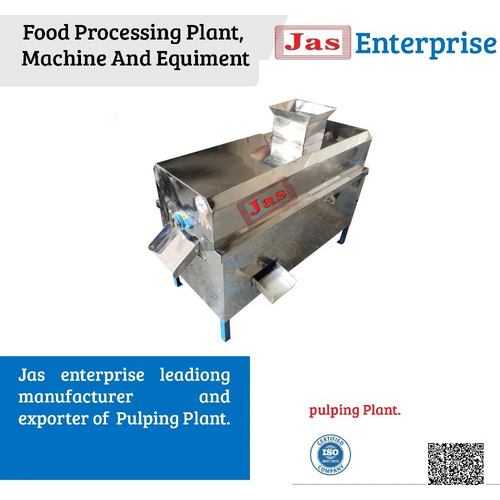
High-Efficiency Pulping with Compact DesignMaximize your productivity with a pulping plant that combines high efficiency and a space-saving compact structure. The facility supports capacities up to 2000 kg/hr while maintaining low energy consumption and operational noise. Its automatic, user-friendly setup streamlines pulp processing, making it suitable for various-scale industries seeking optimal output.
Eco-Friendly and Cost-Effective OperationReduce your ecological footprint without compromising performance. This pulping plant utilizes advanced engineering to deliver lower energy consumption and environmentally responsible processing. Its robust design ensures low maintenance costs and a smoother, quieter working environment while promoting sustainability.
FAQs of Pulping Plant:
Q: How does the pulping plant operate for automatic pulp processing?
A: The plant functions automatically, simplifying pulp production with minimal manual intervention. Material is fed into the machine, where it undergoes pulping through integrated mechanisms, delivering consistent output efficiently.
Q: What are the benefits of using a compact, eco-friendly pulping plant?
A: This pulping plant offers high efficiency, reduced noise, and lower energy consumption. Its compact structure optimizes space usage, while eco-friendly features contribute to reduced environmental impact and operational costs.
Q: When should maintenance be performed on the pulping plant?
A: Regular maintenance is recommended, typically at intervals specified in the user manual or as needed based on usage intensity. The plant comes with a one-year warranty against manufacturing defects, ensuring support for any issues during that period.
Q: Where can the pulping plant be installed in an industrial setting?
A: The free-standing design allows installation in a variety of locations within your facility, offering versatility for factories with limited floor space or those requiring flexible layout arrangements.
Q: What is the process involved in pulp production using this plant?
A: Raw material is loaded into the plant, which automatically performs pulping through efficient mechanical systems. The result is processed pulp ready for downstream applications, ensuring consistent quality and yield.
Q: How does the voltage range affect the installation of the plant?
A: The plant supports voltages from 110 to 440 Volt (v), making it adaptable to different industrial power supplies across India, aiding smooth integration into your facilitys electrical infrastructure.