About Screening Machinery
Types of Screening Machinery
Vibrating Screens
Linear Vibrating Screens These use linear motion to move material through a screen They are effective for classifying materials in mining and aggregates
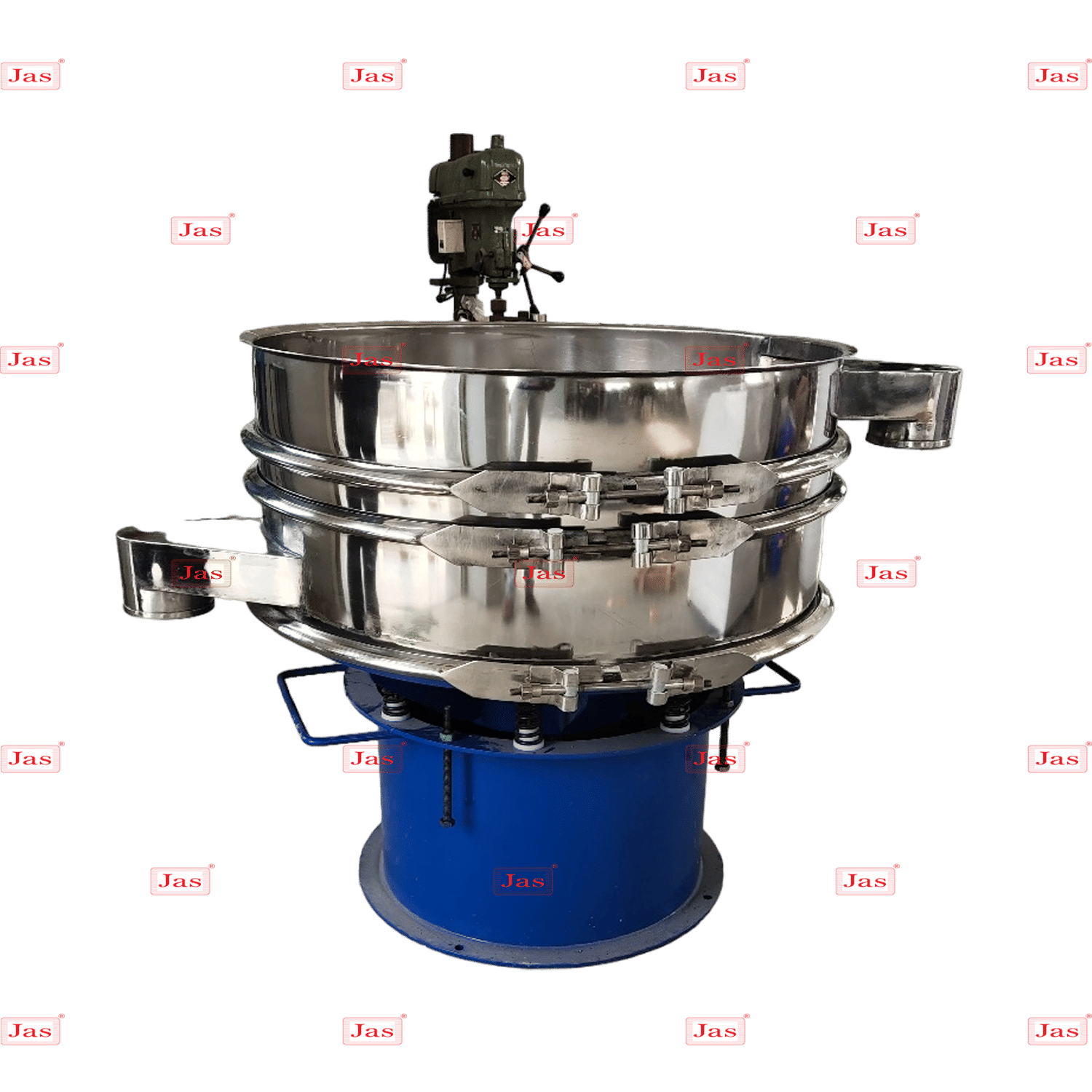
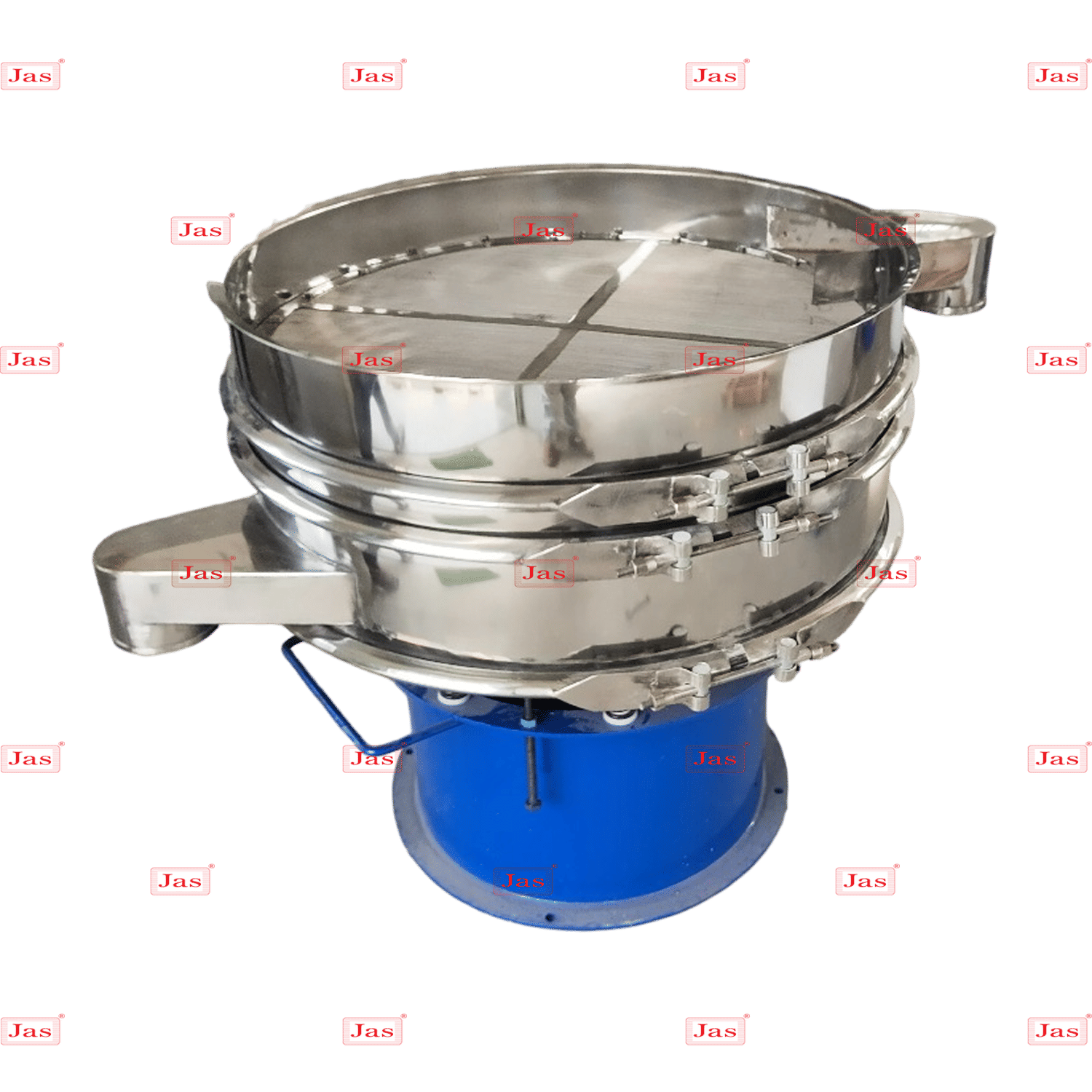
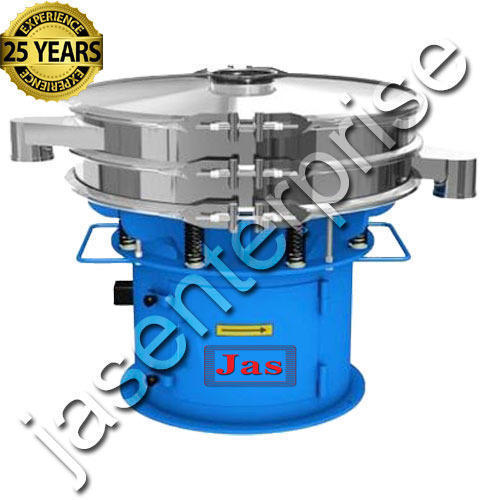
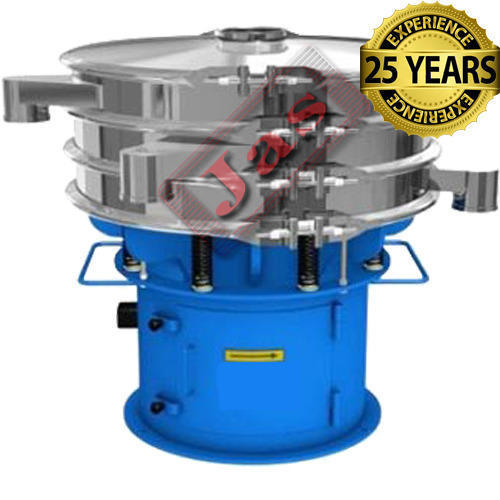
Circular Vibrating Screens They employ a circular motion to screen materials often used for fine to medium screening in industries like chemicals and pharmaceuticals
Rotary Screens
Drum Screens These consist of a rotating drum with a screen mesh that separates materials as they pass through They are common in recycling and waste management
Trommel Screens Similar to drum screens but typically larger trommel screens are used for sorting and separating bulk materials
Static Screens
Grizzly Screens Made up of bars or grids these screens are used for primary separation of coarse materials before further processing
Wedge Wire Screens These use wire profiles to create slots for separation commonly used in water treatment and mining
Air Classifiers
These use air flow to separate materials based on particle size or density They are often used in the production of fine powders and in recycling
Key Concepts
Screen Mesh Size Refers to the size of the openings in the screen Smaller mesh sizes are used for finer screening while larger sizes are for coarser materials
Screening Efficiency A measure of how well the machinery separates materials Its influenced by factors like mesh size material characteristics and screen design
Capacity The amount of material a screening machine can process within a certain time frame This can vary widely based on the type of machinery and its size
Maintenance Regular maintenance is crucial for ensuring the effective operation of screening machinery This includes cleaning screens checking for wear and tear and replacing damaged parts
High-Performance and Versatile OperationThis vibrating screening machinery stands out for its high throughput and versatility. Capable of handling up to 5000 Kg/hr with a mesh size range from 20 to 400 mesh, it effectively processes both powders and granules. The heavy-duty vibration motor and self-cleaning system work together to deliver continuous, efficient screening with minimal manual intervention.
Easy Installation and User-Friendly ControlsInstallation is hassle-free, featuring a plug-and-play system adaptable to both 230V and 440V power supplies. The machinery comes equipped with a digital or manual control panel, providing precise control over screening operations. Optional base wheels add mobility, granting flexibility in varied industrial environments.
FAQs of Screening Machinery:
Q: How does the self-cleaning system work in the vibrating screening machinery?
A: The self-cleaning system uses vibratory techniques and specialized cleaning devices to prevent mesh blockages, ensuring consistent screening efficiency and reducing the need for manual mesh cleaning during operation.
Q: What materials can be processed with this screening machinery?
A: This machine is designed for screening and grading a range of powders and granules, making it suitable for various industries, including food, chemicals, pharmaceuticals, and minerals.
Q: When is it beneficial to use multiple discharge outlets?
A: Multiple discharge outlets allow for simultaneous separation of materials into different grades or fractions, streamlining processing and improving operational efficiency, especially when dealing with multiple product outputs.
Q: Where can this screening machinery be installed?
A: Thanks to its compact, circular design and optional base wheels, the machine can be easily installed and relocated in diverse production areas, warehouses, or processing plants as required.
Q: What steps are involved in the installation and operation process?
A: Installation involves positioning the unit, connecting power (230/440V), and using the plug-and-play control panel for setup. Once operational, the self-cleaning and high-efficiency screening starts immediately, minimizing downtime.
Q: How does the digital/manual control panel enhance usage?
A: The control panel allows users to select precise operating settings, adjust vibration levels, and monitor performance, enhancing user experience and process control.
Q: What are the main benefits of using this vibrating screening machinery?
A: Key benefits include high screening efficiency, energy-saving operation (2.2 kW), low noise levels, flexibility for different mesh sizes, easy mobility, and reliable, automated processing facilitated by self-cleaning and digital controls.









 Send Inquiry

 Send Inquiry
 Send Inquiry
 Send SMS


