About Sieving Machine
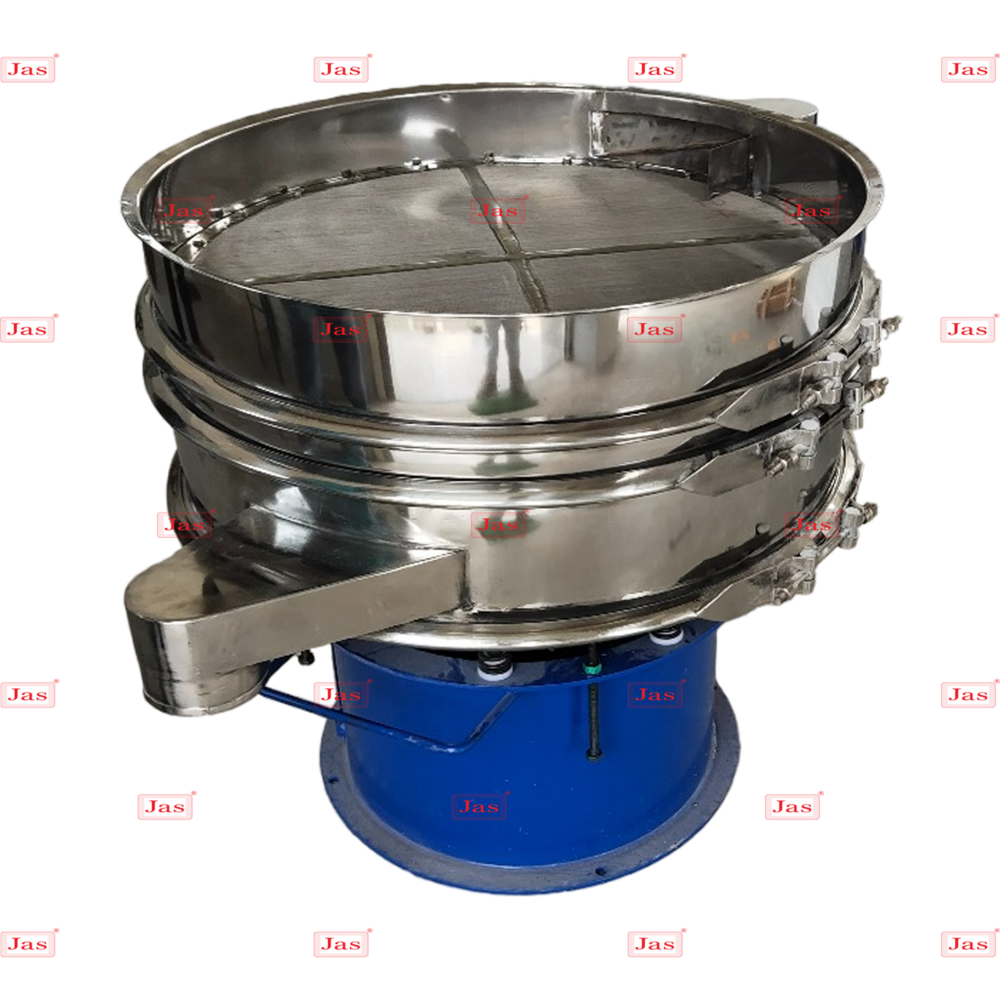
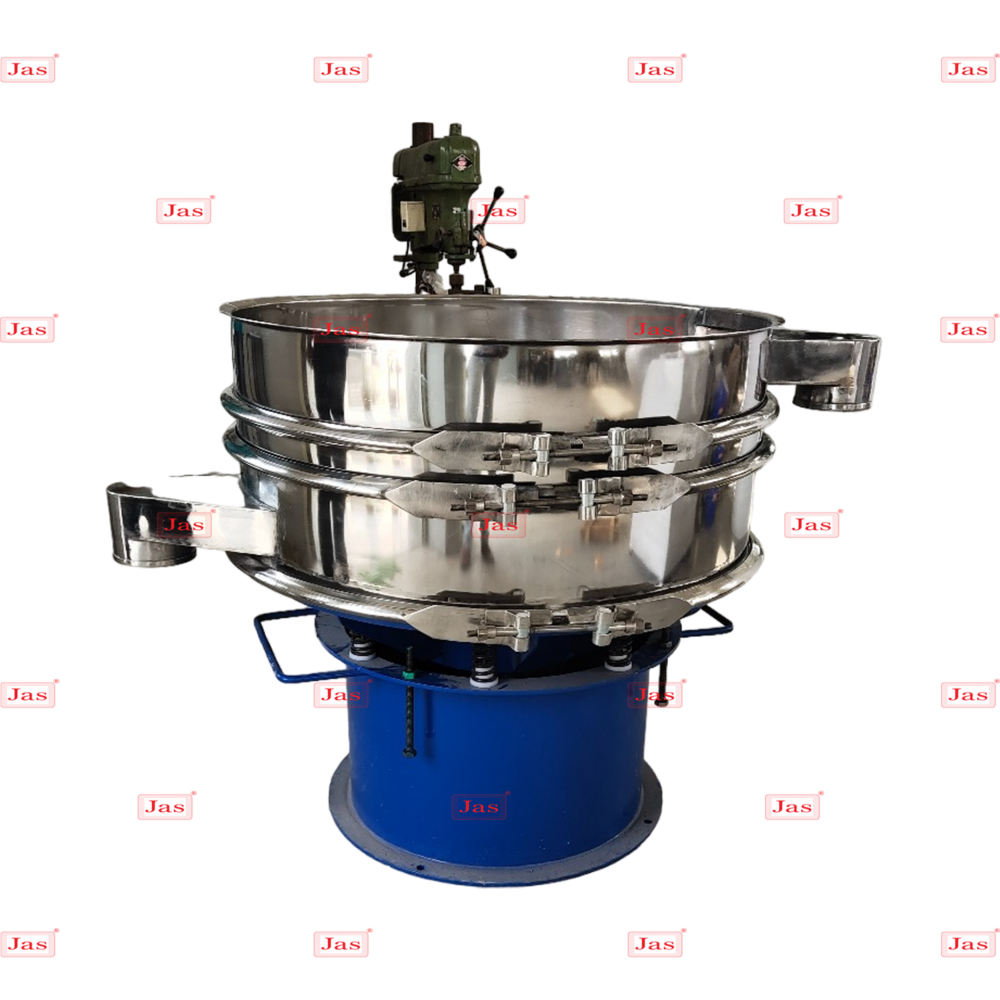
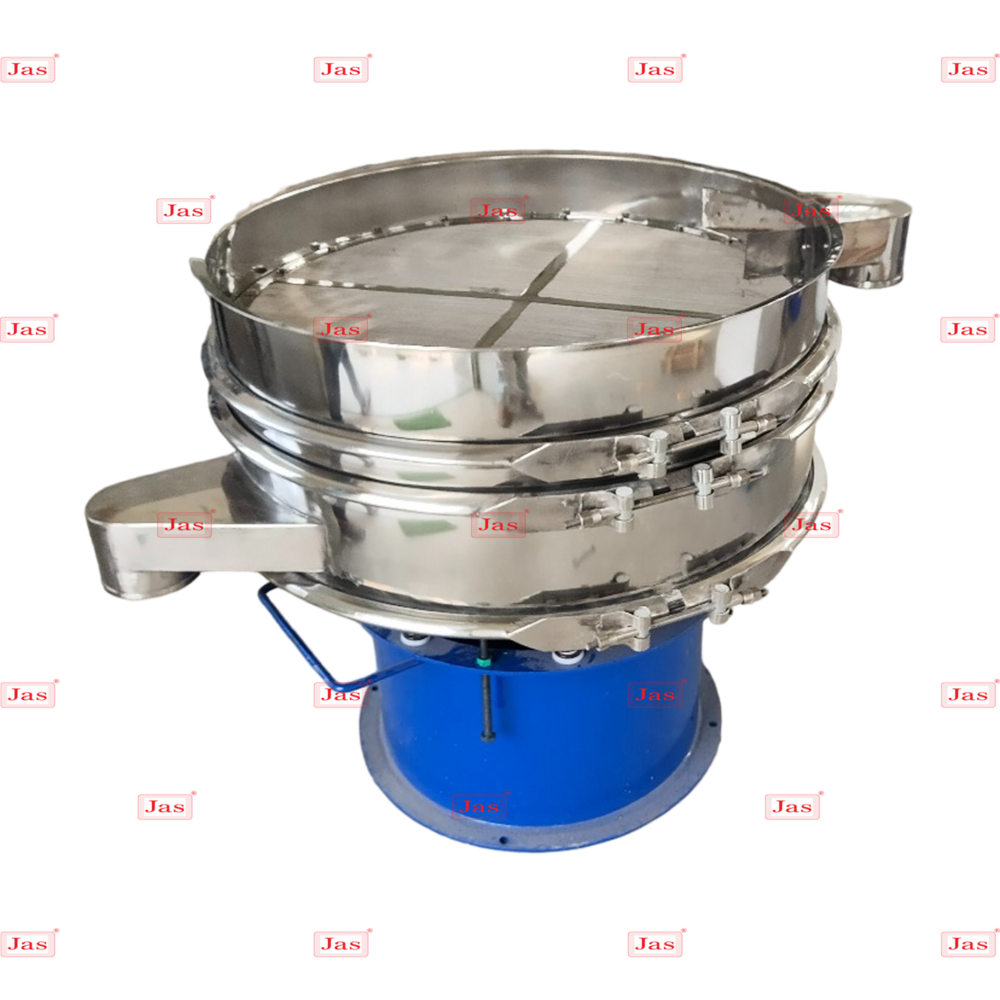
A sieving machine, also known as a screening machine, vibratory sieve, or sifter, is an industrial-grade mechanical device used for separating, classifying, and grading bulk materials based on particle size. It operates on the principle of mechanical vibration or rotary motion to pass materials through a series of screens or meshes of varying aperture sizes. Sieving machines play a crucial role in ensuring product quality, consistency, and purity across a wide range of industries, including food processing, pharmaceuticals, chemicals, agriculture, construction, mining, and recycling.
The basic function of a sieving machine is to allow smaller particles to pass through the mesh openings while larger particles remain on the surface, enabling effective separation of materials into different size fractions. Depending on the design and application, sieving machines can operate in batch or continuous processing modes.
Eco-Friendly and Efficient PerformanceUtilizing low energy consumption and producing minimal noise, this sieving machine operates with high efficiency and environmental consciousness. Its design ensures a reduced carbon footprint, making it an ideal choice for businesses prioritizing sustainable operations.
Manual Control with Semi-Automatic OperationControlled manually and offering a semi-automatic workflow, the machine provides users with straightforward operation and reliable performance. This setup enables greater control over the sieving process while maintaining user-friendly functionality and safety.
Versatility Across IndustriesWith compatibility for both single-phase and three-phase power supplies, this sieving machine is a versatile solution for a range of industrial applications. Whether you are working in food processing, pharmaceuticals, or chemical industries, the compact and efficient design meets diverse operational needs.
FAQ's of Sieving Machine:
Q: How does the manual control system operate on the semi-automatic sieving machine?
A: The manual control system allows operators to manage the key functions of the sieving machine directly, adjusting settings as needed for specific materials or throughput requirements. This gives users precision and flexibility without relying on computerized automation.
Q: What are the main benefits of using this sieving machine in my industry?
A: You'll benefit from high efficiency, eco-friendly operations, low noise, reduced energy consumption, and a compact structure. These features help to improve workplace conditions, lower operating costs, and offer reliable performance across various applications.
Q: When should I consider using a single-phase or three-phase connection for this machine?
A: Choose a single-phase connection for lower power requirements or residential locations, and a three-phase connection for higher power needs or industrial environments. This flexibility ensures optimal performance based on your available power supply and usage demands.
Q: Where can I purchase or source this sieving machine in India?
A: This machine is distributed through a wide network, including exporters, distributors, manufacturers, retailers, suppliers, traders, and wholesalers throughout India, making it accessible to clients nationwide.
Q: What is the process for claiming warranty if there is a manufacturing defect?
A: The machine comes with a one-year warranty against manufacturing defects. If an issue arises, contact your supplier or point of purchase to initiate a warranty claim. Provide necessary documentation, such as the purchase invoice and a description of the defect, to process your claim efficiently.
Q: How does the compact structure benefit operators in limited workspace settings?
A: The compact structure allows for easy installation and relocation, maximizing workspace use and ensuring that the machine can fit seamlessly even in facilities where space is at a premium.
Q: What is the power and voltage requirement for this sieving machine?
A: The machine operates on 0.5 to 3 horsepower and supports voltage inputs of 230 or 440 volts, compatible with 50-60 Hz frequency, making it suitable for a wide range of industrial setups.








 Send Inquiry

 Send Inquiry
 Send Inquiry
 Send SMS


