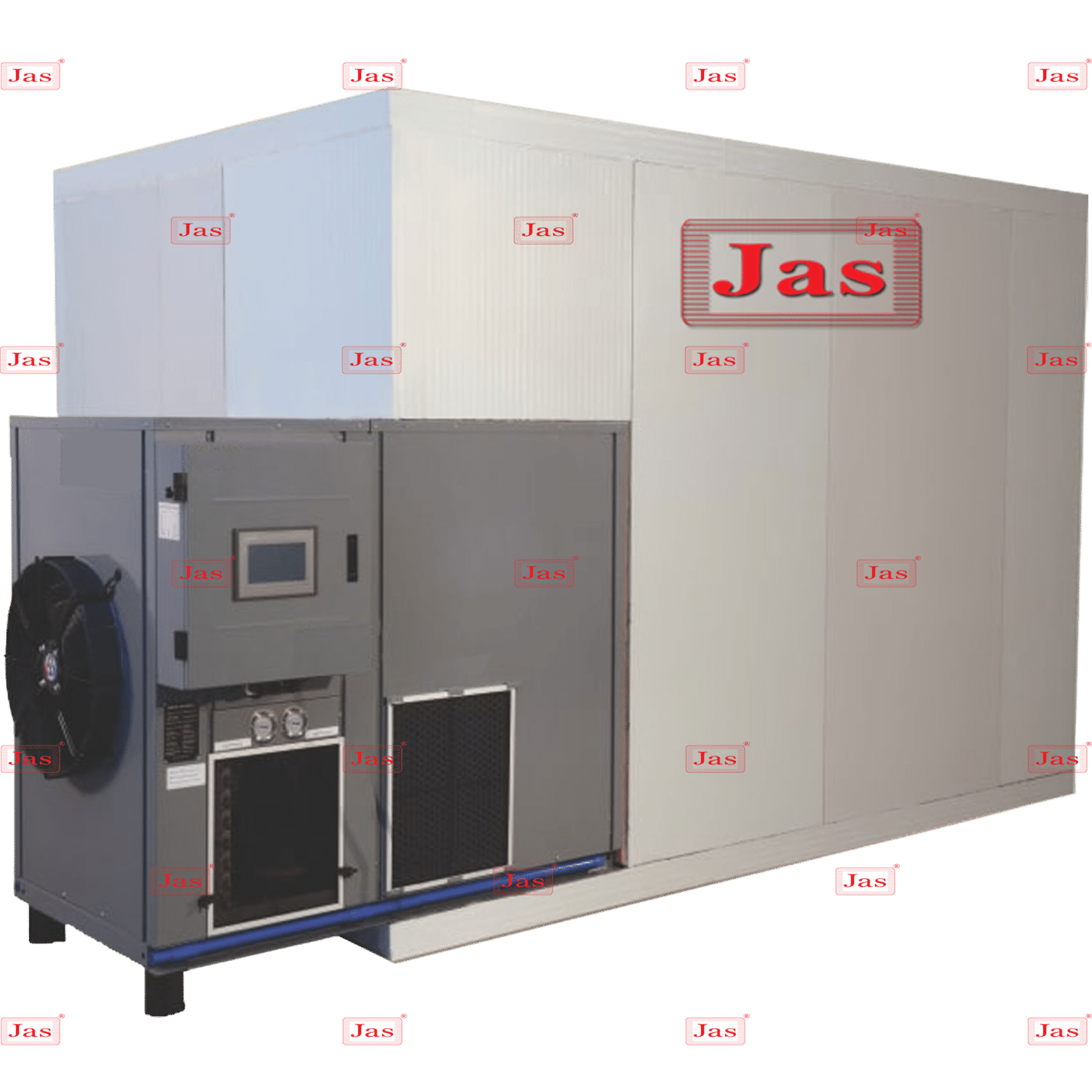
About Batch Dryer
-
Operation: Batch dryers work by placing a fixed quantity of material into the dryer at one time. This material is dried using heat and often airflow until it reaches the desired level of moisture content.
-
Types: There are various types of batch dryers depending on the application and material being dried. Common types include tray dryers, rotary dryers, and fluidized bed dryers.
-
Advantages:
- Suitable for small-scale production or where different materials or batches require separate drying cycles.
- Flexibility in drying different types of materials with varying moisture content.
-
Applications: Batch dryers are used in industries such as food processing (e.g., drying fruits, vegetables), pharmaceuticals (e.g., drying medicinal herbs), chemicals, and agriculture (e.g., drying grains).
-
Design considerations: Factors such as heat source, drying temperature, airflow rate, and batch size are critical in designing and operating batch dryers efficiently.
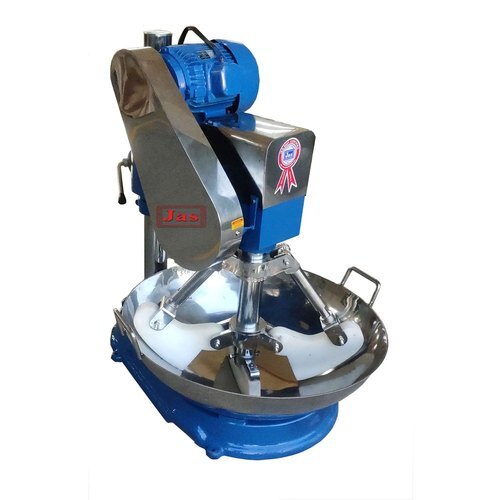
Superior Drying PerformanceThis batch dryer is engineered for automated, consistent performance, ensuring optimal drying results every cycle. High efficiency mechanisms reduce energy use and operational costs, delivering sustainable and reliable quality in processing environments.
Compact and VersatileFeaturing a compact design, the dryer fits seamlessly into space-constrained industries, making it suitable for diverse installations. Advanced controls and safety features highlight its versatility for various materials and processes.
Eco-Friendly OperationThe eco-friendly build of the dryer supports reduced carbon footprint by minimizing energy usage and noise generation. It helps manufacturers meet sustainability targets while maintaining outstanding productivity levels.
FAQs of Batch Dryer:
Q: How does the automatic batch dryer optimize the drying process?
A: The automatic batch dryer uses programmed cycles and efficient airflow management to ensure thorough drying with minimal human intervention, maintaining high efficiency and consistent results for various materials.
Q: What benefits does the low noise and lower energy consumption feature offer?
A: Low noise levels contribute to a quieter work environment, while reduced energy consumption leads to significant cost savings and a smaller environmental impact over extended usage.
Q: When is it appropriate to use this batch dryer in industrial settings?
A: The batch dryer is suitable whenever an organization requires dependable, energy-efficient drying, particularly for facilities aiming to improve productivity and sustainability through automation.
Q: Where can customers in India purchase or source the batch dryer?
A: Customers across India can obtain the batch dryer via authorized distributors, exporters, manufacturers, retailers, suppliers, traders, or wholesalers, ensuring easy access for a range of business sizes.
Q: What is the process of installation and commissioning for this batch dryer?
A: Installation involves placing the compact structure in the desired location, connecting to the appropriate voltage supply (230/440 Volt), and calibrating controls; technical support is available through local suppliers.
Q: How does the compact and high-efficiency design enhance usage?
A: The compact structure allows for easy integration in restricted spaces, while high-efficiency engineering reduces operational time and costs, facilitating faster workflows for batch operations.
Q: What advantages do businesses gain from the eco-friendly features of this dryer?
A: Businesses benefit from lower utility expenses, compliance with environmental regulations, and a positive reputation for adopting sustainable practices, all while achieving effective drying performance.









 Send Inquiry

 Send Inquiry
 Send Inquiry
 Send SMS


