GST: 24AMMPS0980M1ZG
|
|

olar Dryers: These use solar energy to heat air, which then dries the copra. Solar dryers can be simple, like a greenhouse structure with good ventilation, or more advanced with enclosed systems and forced air.
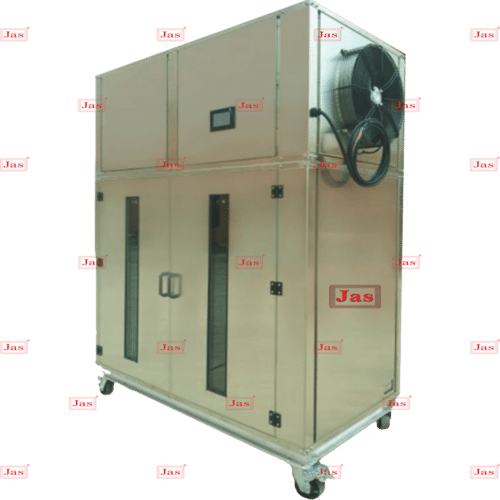
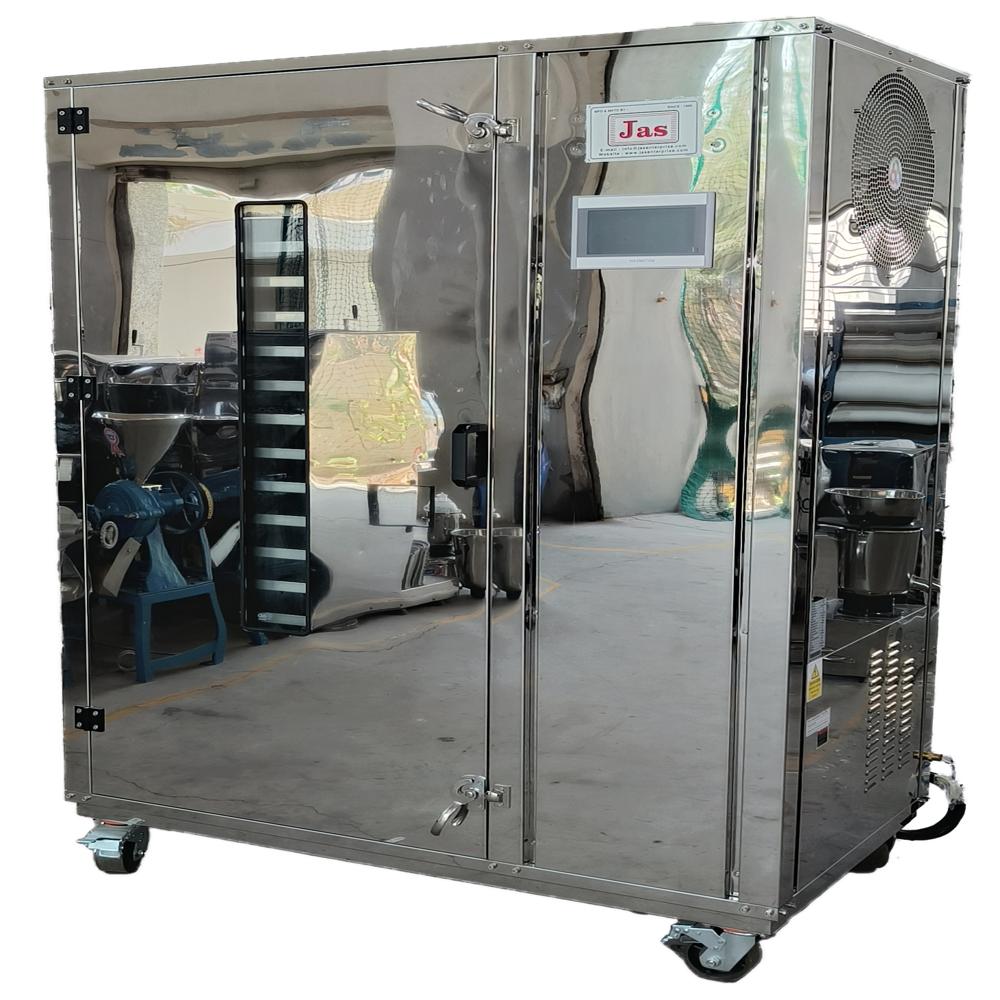
Hot Air Dryers: These use heated air to dry the copra. The hot air is usually circulated through a drying chamber where the copra is spread out on trays or in a continuous flow system.
Fluidized Bed Dryers: In these dryers, hot air passes through a bed of copra particles, causing them to behave like a fluid. This method ensures even drying and can be more efficient but requires precise control of air flow and temperature.
Drum Dryers: These use a rotating drum with a heated surface to dry the copra. The copra is spread on the drum's surface and scraped off as it dries.
Indirect Dryers: These use a heat exchanger to transfer heat to the copra indirectly, often through a combination of air and radiant heat.

Price:
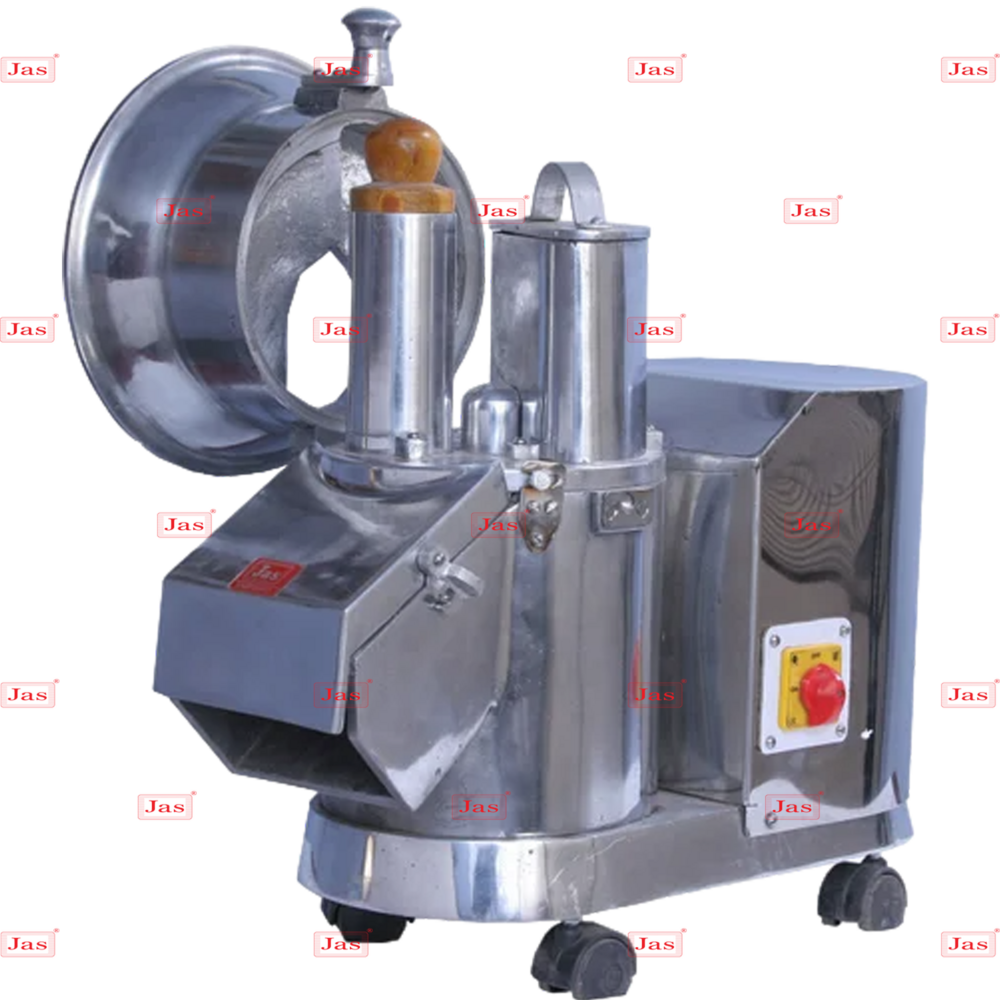
Price 25000 INR / Piece
Minimum Order Quantity : 1 Piece
Voltage : 230/440 Volt (v)
Capacity : 1001000 Kg/hr
Feature : ECO Friendly, Low Noice, Lower Energy Consumption, Compact Structure, High Efficiency
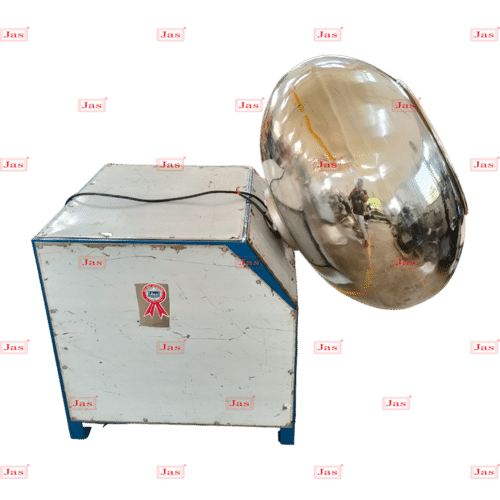
Price 28000.0 INR / Unit
Minimum Order Quantity : 1 Unit
Voltage : 230/440 Volt (v)
Capacity : 10180 Kg/hr
Feature : ECO Friendly, Compact Structure, Lower Energy Consumption, Low Noice, High Efficiency
Warranty : Oneyear warranty against manufacturing defects at our site, excluding all wear and tear parts.
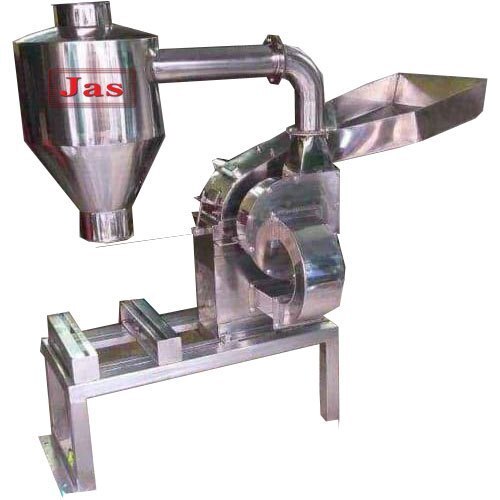
Price 15000 INR / Unit
Minimum Order Quantity : 1 Unit
Voltage : 110 to 440 Volt (v)
Warranty : One year against manufacturing defects at our site
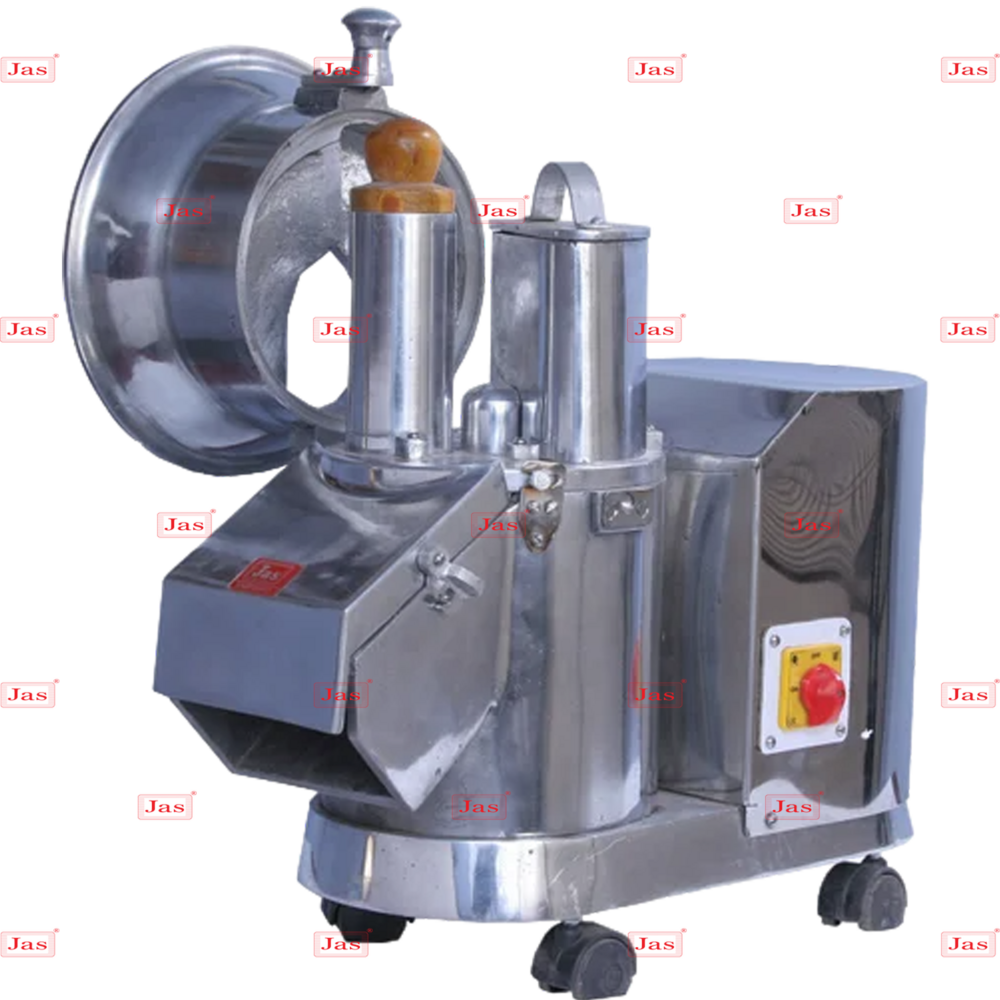
Price 25000.00 INR / Piece
Minimum Order Quantity : 1 Unit
Voltage : 230/440 Volt (v)
Capacity : 1001000 Kg/hr
Feature : ECO Friendly, Low Noice, Lower Energy Consumption, Compact Structure, High Efficiency
Warranty : One year against manufacturing defect at our side

GST : 24AMMPS0980M1ZG


|



 Send Inquiry

 Send Inquiry
 Send Inquiry
 Send SMS


