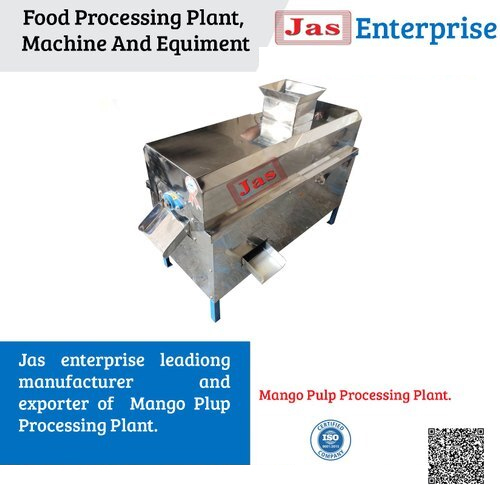
About Mango Pulp Processing Plant
Jasenterprise.com is provide complete set of machines for the mango pulp processing.Capacity of the plant ranges from 50 kgs per hour to 2000 kgs per hour of mangoes.
This plant includes the following machinery:
PREPARTION SECTION:
- Washer
- Inspection Conveyor
- Elevator
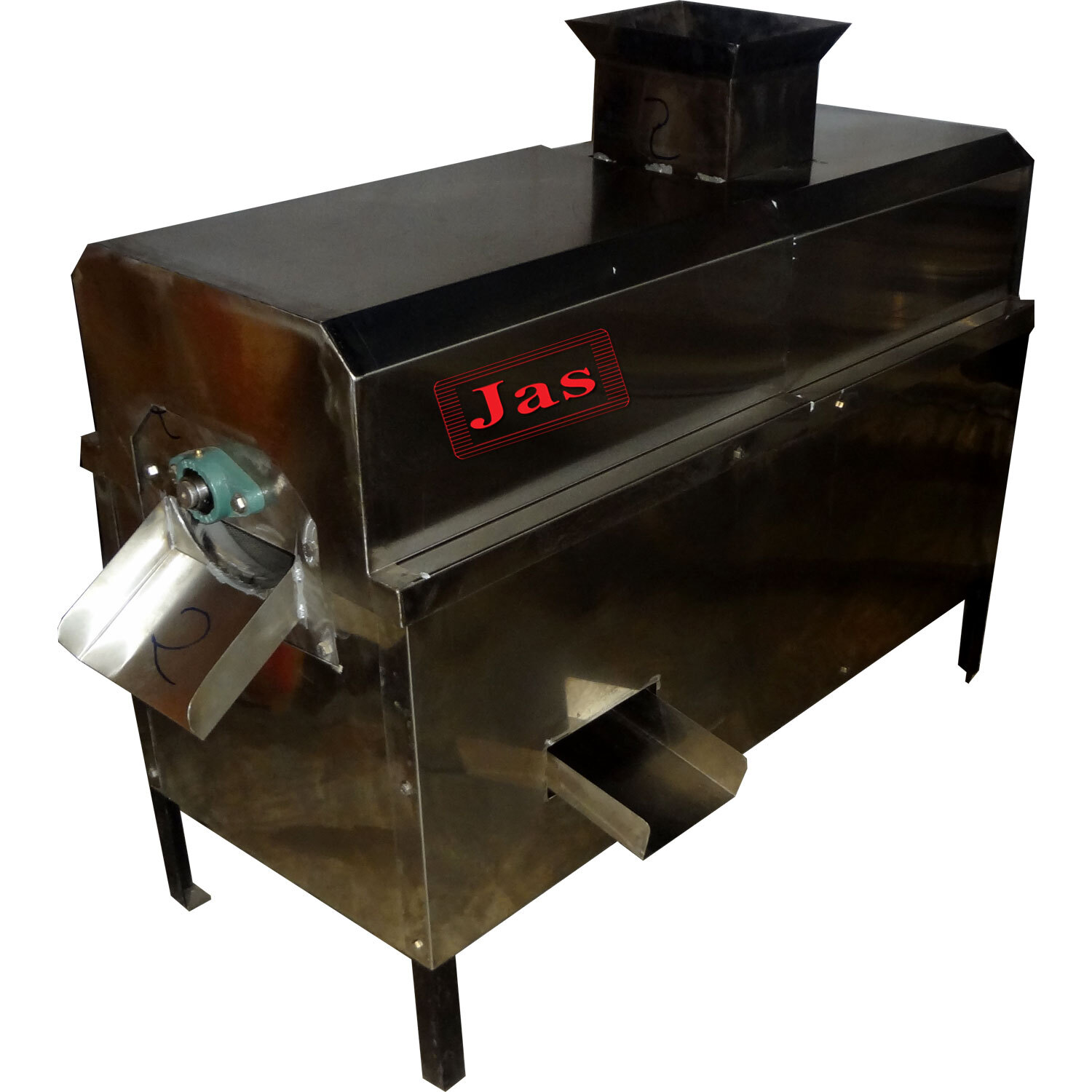
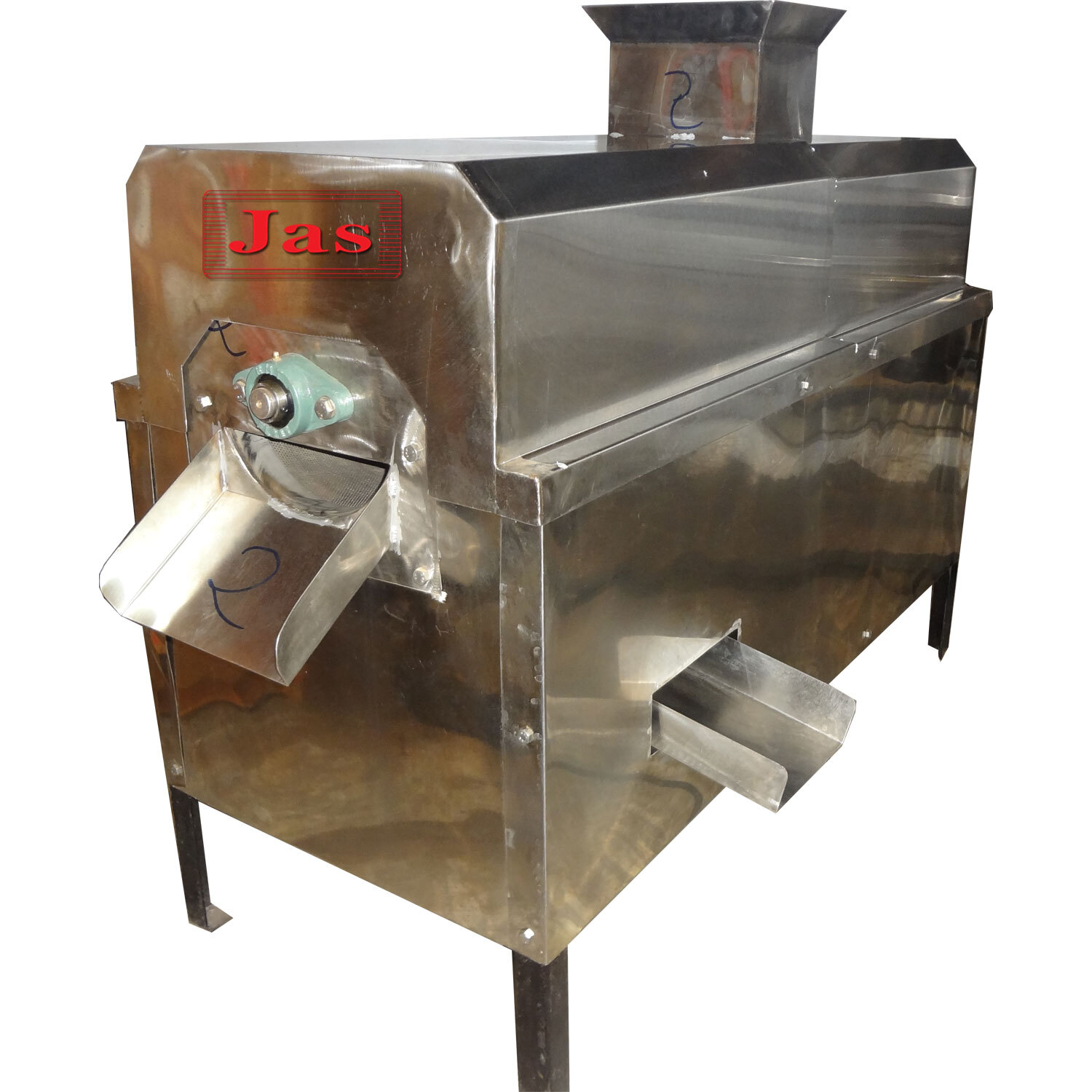
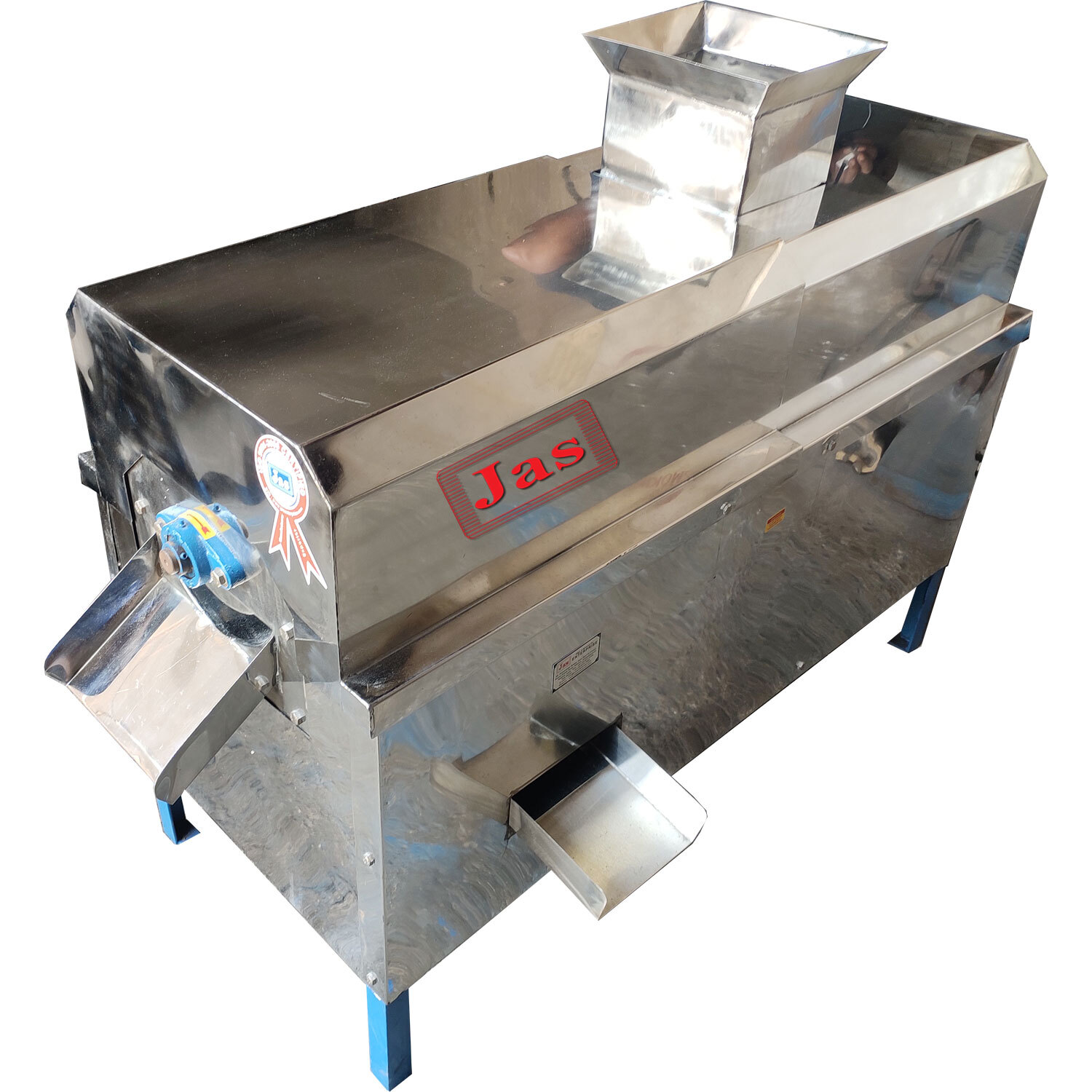
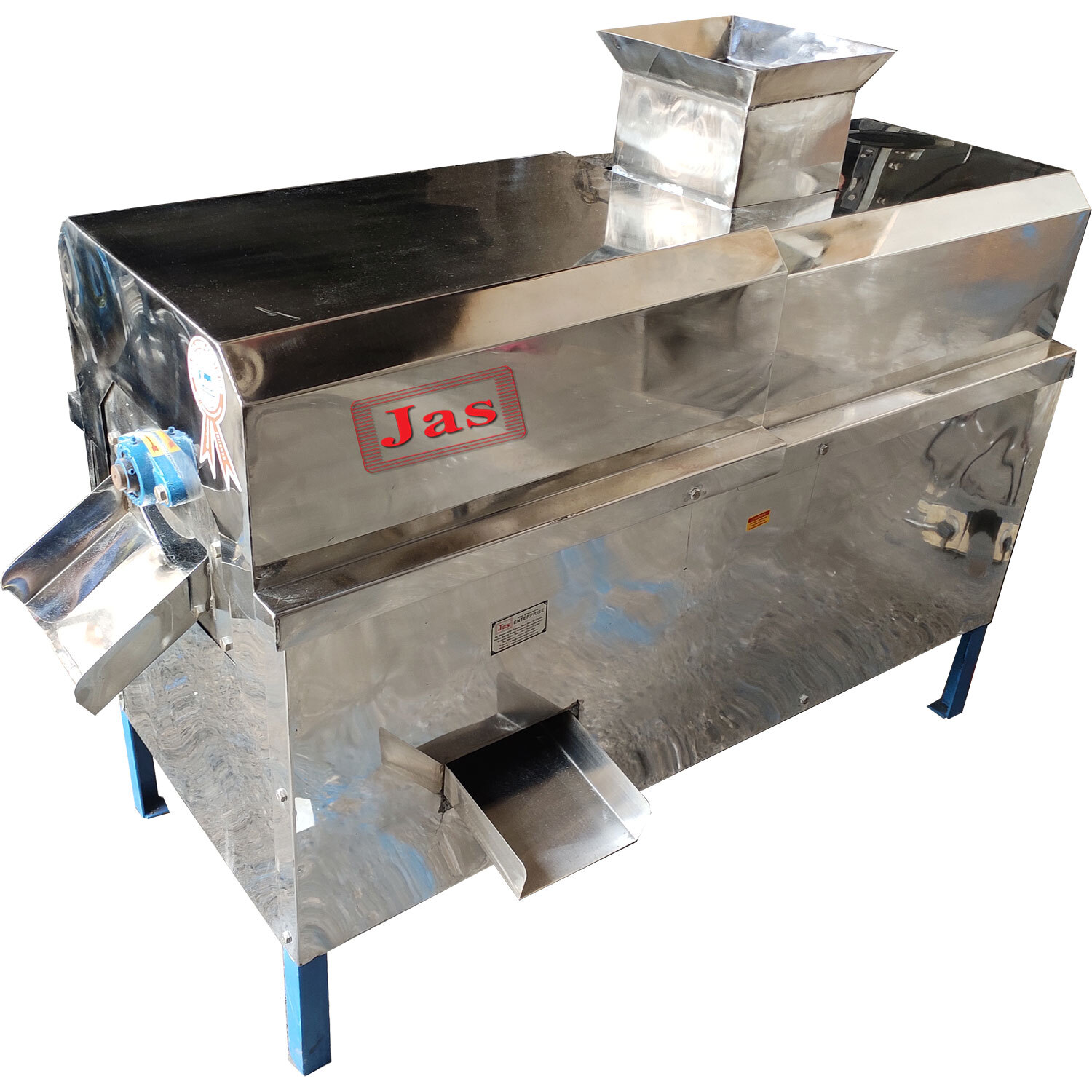
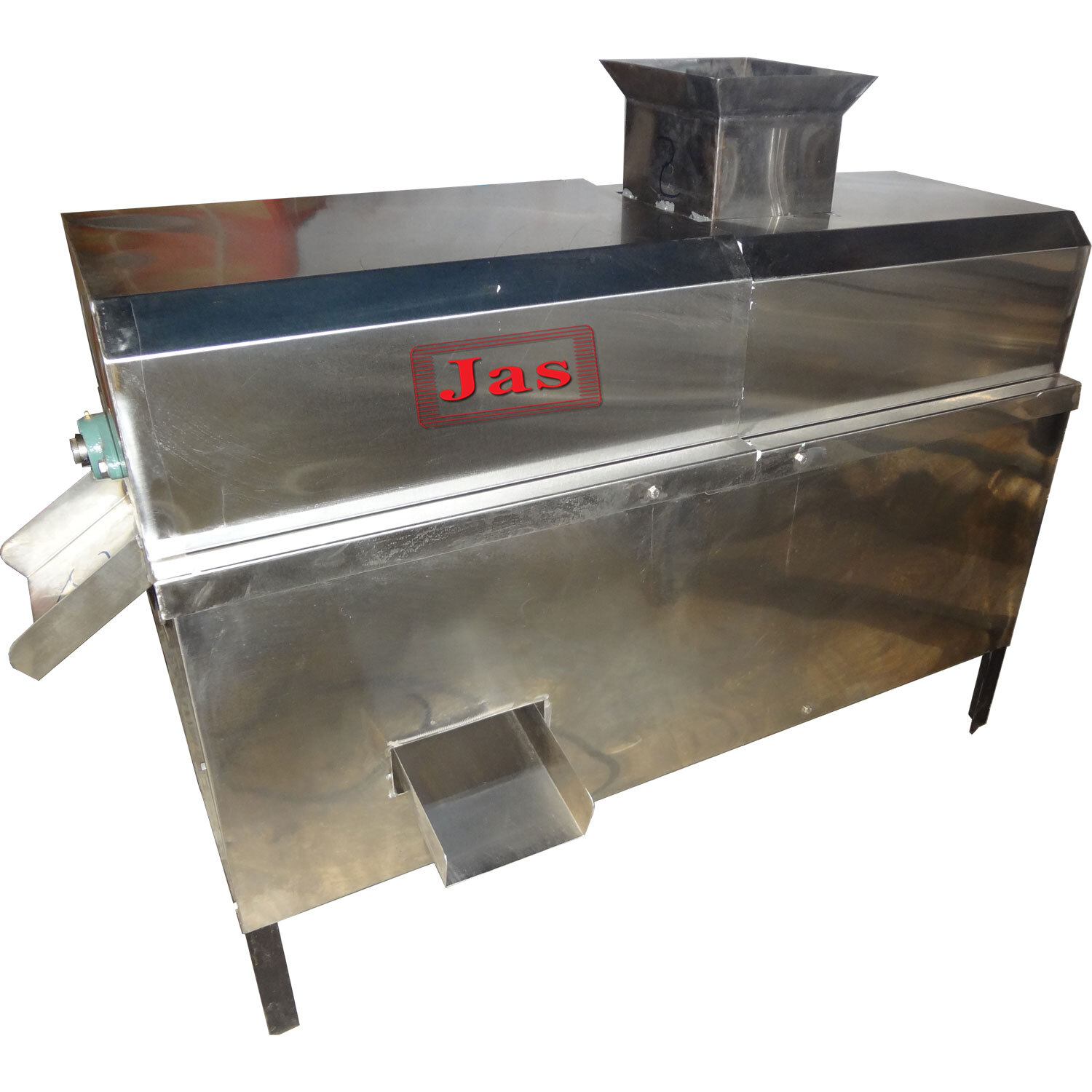
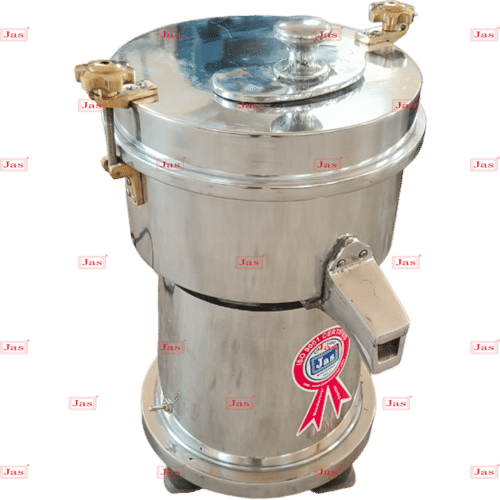
- Pulper
High Pulp Yield for Multiple FruitsThis processing plant achieves an impressive pulp yield of 85%90%, depending on fruit variety. Designed primarily for mangoes, the system can also handle guava, papaya, and tomato with minimal adjustments. Its advanced extraction technology ensures optimal output and minimal wastage across a range of fruit types, maintaining high quality and taste preservation.
Robust Automation and Hygienic DesignWith fully computerized, PLC-controlled operations and hygienic stainless steel components (SS304/SS316), the plant delivers reliable, safe, and efficient performance. The integrated CIP cleaning system and corrosion-resistant build ensure long-term sanitary conditions, low maintenance needs, and streamlined production processes, meeting international food safety and design standards.
Flexible Packaging and Safety FeaturesThe output can be packaged aseptically in drums or cans, preserving product freshness and extending shelf life. Enhanced safety is provided by features like emergency shutdown and overload protection. The system supports variable speed, automatic feed, and energy-efficient operation, ensuring adaptability for different processing needs and operational stability.
FAQs of Mango Pulp Processing Plant:
Q: How is mango pulp extracted in this processing plant?
A: Mango pulp is extracted using an integrated sequence of machinery, including a washer, elevator, destoner, pulper, and finisher. The fruits are first cleaned, destoned, and pulped, then finely finished to yield smooth pulp. Hot break or cold break technology is applied based on product requirements.
Q: What is the typical yield of mango pulp and which other fruits can be processed?
A: The plant achieves a pulp yield ranging from 85% to 90% depending on the variety and quality of the raw mangoes. With minor modifications, it is also suitable for guava, papaya, and tomato processing, providing versatility for various fruit-based applications.
Q: When should the cleaning system (CIP) be used, and what are its benefits?
A: The CIP (Clean-In-Place) system should be operated regularly, especially after each production cycle or product changeover, to maintain high sanitation standards. The system ensures thorough and automated cleaning of all internal surfaces, reducing manual labor and ensuring microbial safety.
Q: Where is this mango pulp processing plant typically installed and used?
A: These plants are primarily installed in food processing and beverage industry facilities, with widespread usage in regions cultivating mangoes and related fruits. They can be set up as complete turnkey solutions in India and exported globally.
Q: What packaging options are available for the processed mango pulp?
A: The plant is equipped to package mango pulp aseptically in bags placed within drums or in cans. This packaging extends shelf life, protects against contamination, and facilitates easy storage, transport, and export.
Q: How does the control and automation system work in this plant?
A: The processing line features PLC control for computerized and automatic operation. Operators can monitor, adjust, and control parameters such as speed, temperature, and safety settings via the central control panel, ensuring consistent and high-quality production.
Q: What are the primary benefits of using this mango pulp processing plant?
A: Key benefits include high efficiency, low operational costs, hygienic design, continuous operation, and compliance with global safety standards. Additionally, it provides robust service support, from installation to operator training, ensuring smooth setup and production startup.









 Send Inquiry

 Send Inquiry
 Send Inquiry
 Send SMS


