About Semi Automatic Flour Mill
Features:
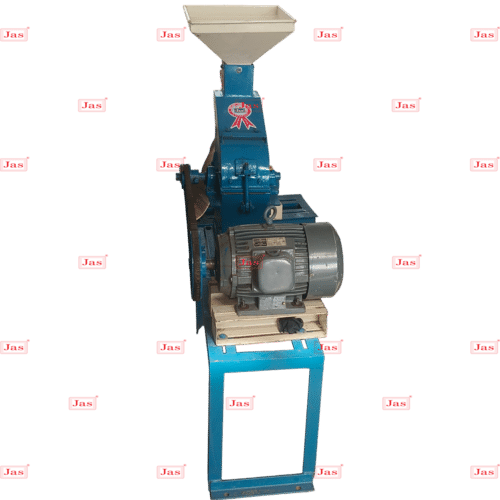
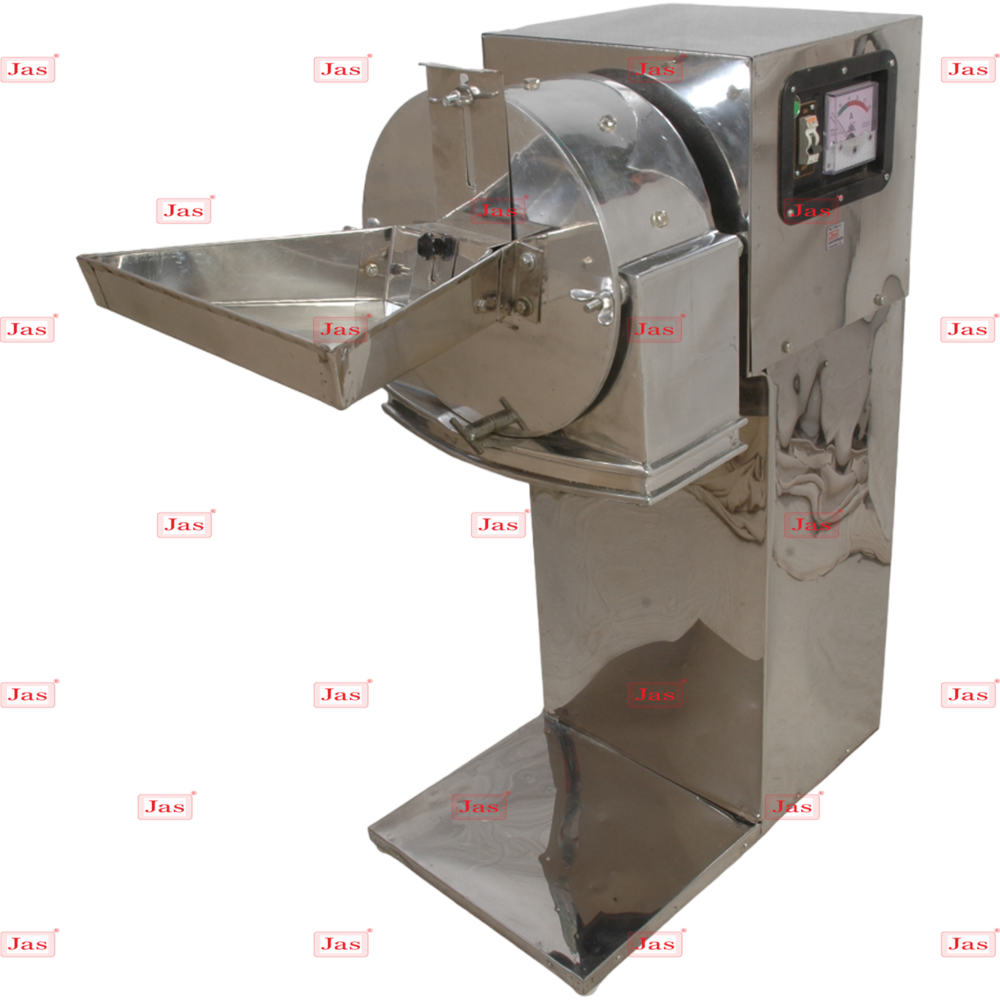
Motorized Grinding Mechanism: Uses an electric motor to drive the grinding stones or rollers, which reduces the manual effort required for milling.
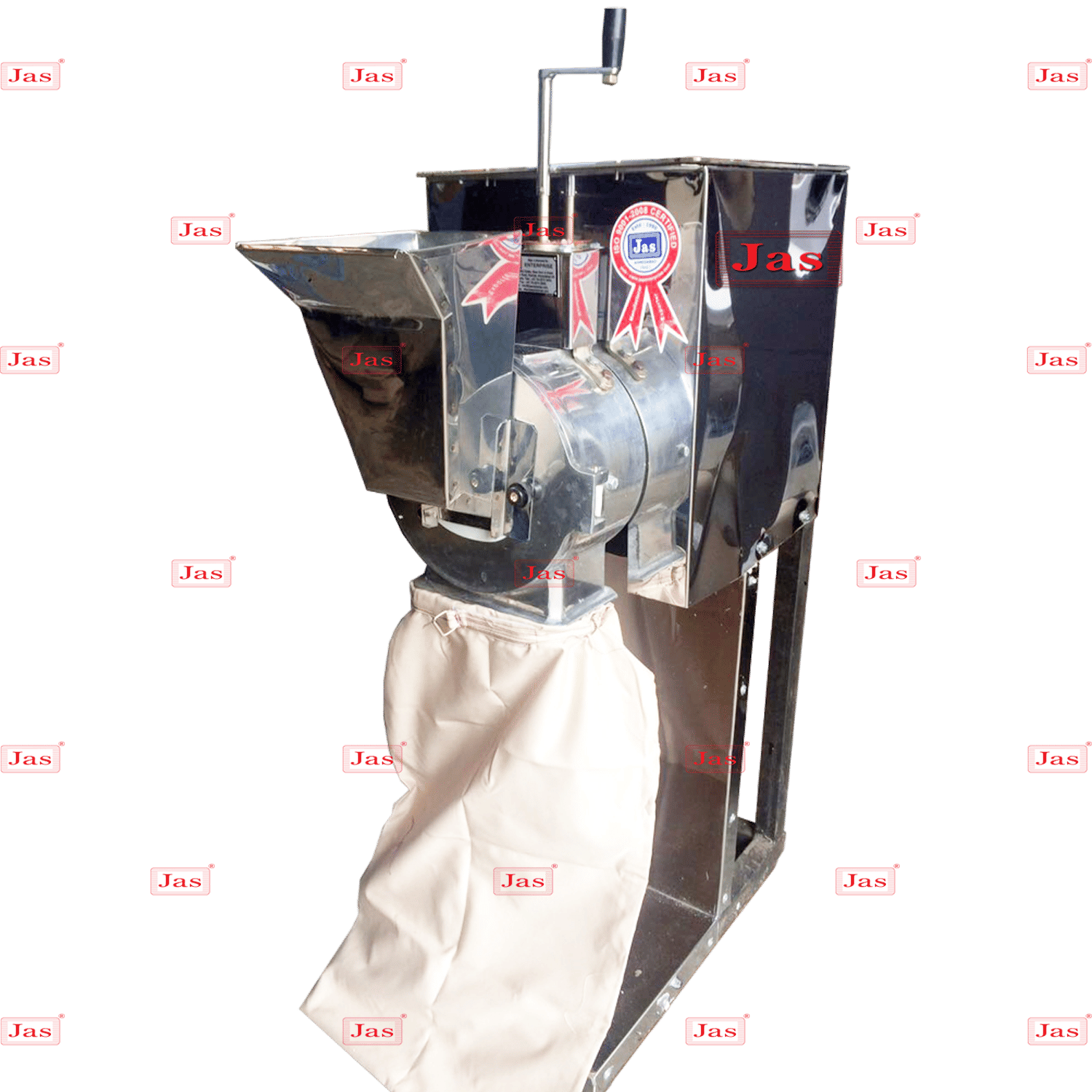
Hopper and Feed System: Includes a hopper where grains are loaded, and a feed system that automatically moves the grains to the grinding area.
Adjustable Settings: Allows users to adjust the fineness of the flour by changing the distance between the grinding stones or rollers.
Output Control: Provides control over the flow of flour, often with a collection bin or bagging system to collect the processed flour.
Cleaning Mechanism: Some models come with features for easy cleaning, such as detachable parts or brushes.
Safety Features: Includes safety mechanisms to prevent accidents, like emergency stop buttons and guards around the grinding area.
Benefits:
Efficiency: Increases milling efficiency by automating parts of the process, which can be especially useful for small to medium-scale operations.
Consistency: Offers more consistent flour quality compared to fully manual mills, thanks to controlled grinding settings.
Labor Saving: Reduces the amount of manual labor required, making it easier to operate and manage.
Versatility: Can often process various types of grains, such as wheat, rice, and corn, depending on the design.
Cost-Effective: More affordable than fully automatic mills while still offering significant improvements over manual grinding.
Efficient and Sustainable MillingExperience reliable flour milling with the Semi Automatic Flour Mill, designed to meet modern sustainability standards. The machine boasts low energy consumption and minimal noise, all while achieving high levels of productivity. Its eco-friendly design ensures responsible operation for businesses seeking efficient production methods.
Versatile Industry ApplicationsFrom retail stores to large-scale wholesalers, the Semi Automatic Flour Mill suits diverse business needs. Its adaptable capacity range allows manufacturers, suppliers, traders, and distributors across India to optimize flour output with superior quality and consistent performance, regardless of scale.
FAQs of Semi Automatic Flour Mill:
Q: How does the Semi Automatic Flour Mill operate with both 230 Volt and 440 Volt power sources?
A: This flour mill is equipped to function on either 230 Volt or 440 Volt power supply, making it versatile for varied industrial and commercial environments across India. Users can switch according to the available electrical setup for seamless integration.
Q: What benefits does the Semi Automatic Flour Mill offer in terms of energy consumption and noise reduction?
A: The mill is designed for lower energy consumption, enabling cost-effective operations. Its low noise feature ensures a quieter workplace, enhancing comfort for operators and reducing disruptions in production spaces.
Q: When is the best time to choose a semi automatic flour mill over a fully automatic or manual alternative?
A: A semi automatic mill is ideal when you need robust processing with some human oversightcombining high performance and control. Its particularly beneficial for businesses seeking high output with efficiency, yet wanting flexibility in operation and maintenance.
Q: Where can I purchase or source the Semi Automatic Flour Mill in India?
A: This flour mill is available through multiple channels in India, including distributors, suppliers, exporters, manufacturers, retailers, traders, and wholesalers. These options ensure convenient sourcing for businesses of any size.
Q: What is the process for using the Semi Automatic Flour Mill for optimum flour output?
A: To use efficiently, ensure correct voltage alignment (230/440V), load the grains consistently, and make use of its automatic settings for smooth operation. Regular maintenance and cleaning will maintain efficiency, yielding high-quality flour at rates between 30170 kg/hr.
Q: How does the flour mill contribute to eco-friendly operations in manufacturing or retail environments?
A: With features like low noise and reduced energy consumption, the mill lessens environmental impact and optimizes resource use. These eco-friendly attributes help companies meet environmental standards and promote sustainable business practices.










 Send Inquiry

 Send Inquiry
 Send Inquiry
 Send SMS


