About Industrial Finger Chips Machine
Key Components:
-
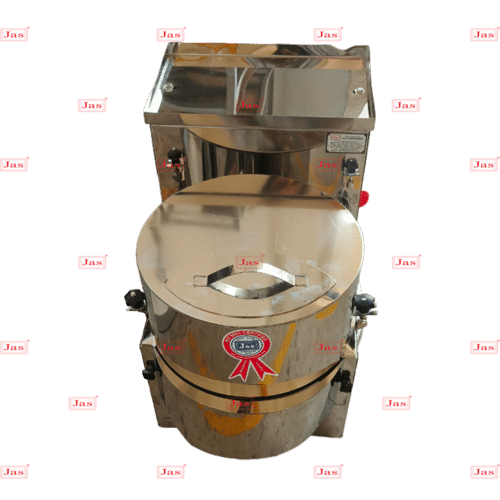
Peeling Unit:
- Function: Removes the skin from potatoes.
- Types: Mechanical peelers or abrasive peelers.
-
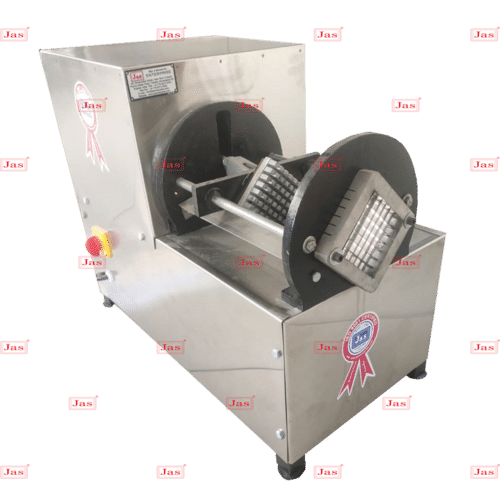
Cutting Unit:
- Function: Cuts potatoes into finger chip shapes.
- Types: Blade cutters or rotary cutters.
- Adjustable Sizes: Allows for different thicknesses and sizes of chips.
-
Blanching Unit:
- Function: Blanches the potato strips to preserve color and texture.
- Method: Usually involves hot water or steam.
-
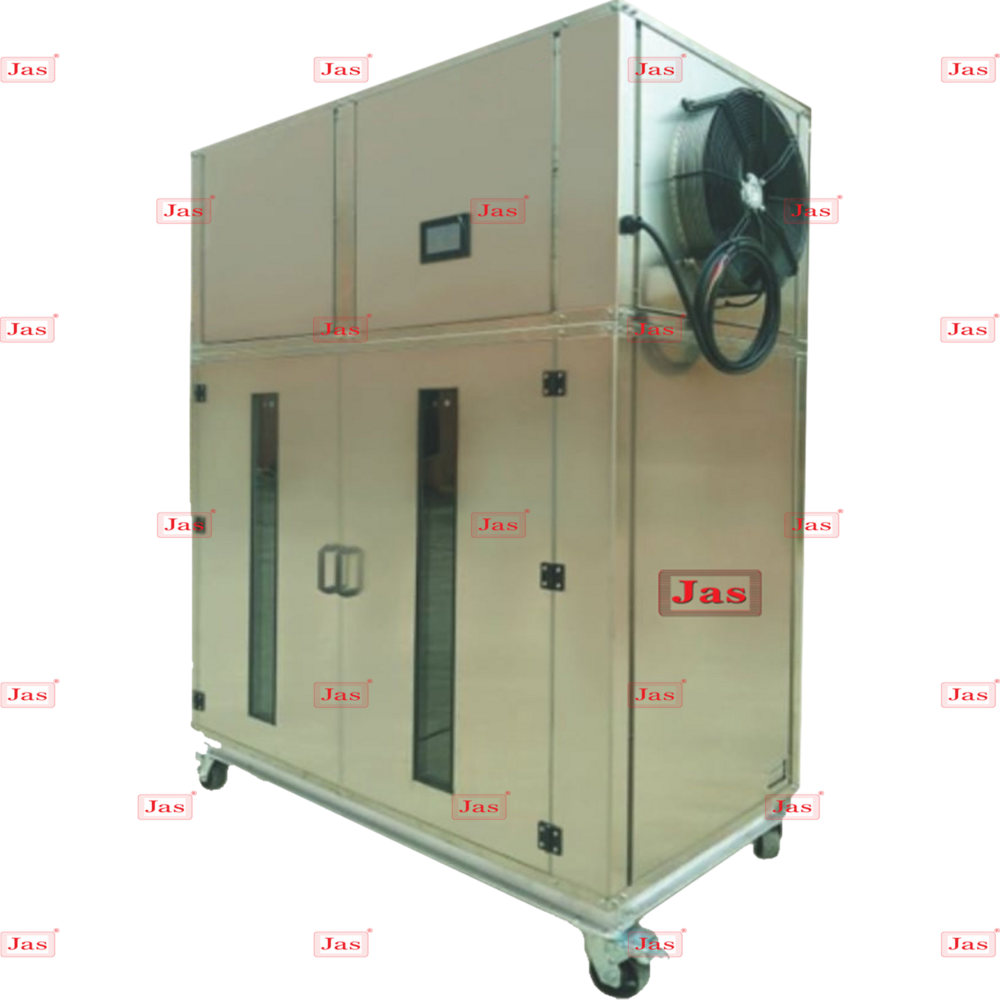
Drying Unit:
- Function: Removes excess moisture from the blanched chips.
- Types: Air dryers or centrifugal dryers.
-
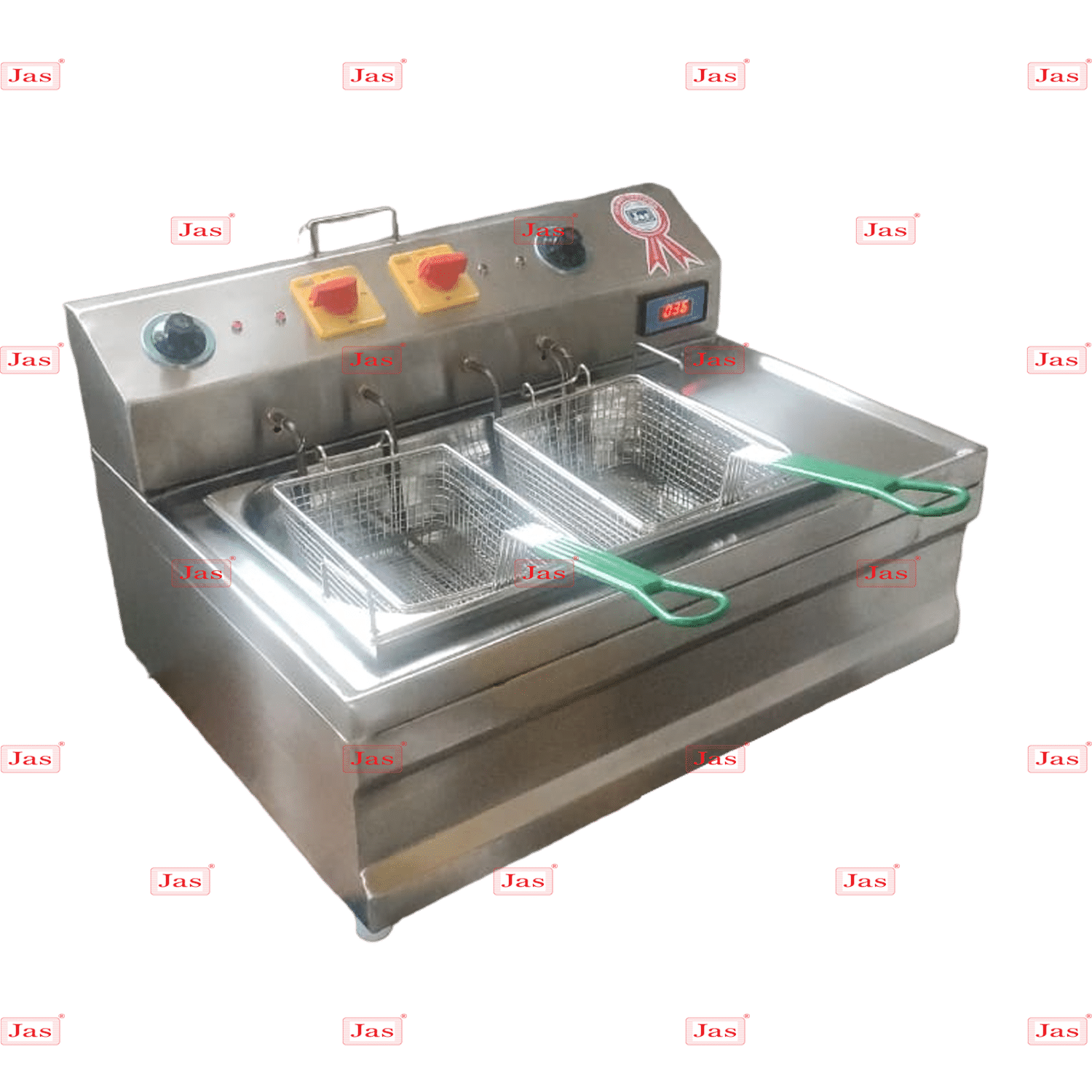
Frying Unit:
- Function: Cooks the chips to achieve the desired crispiness.
- Types: Batch fryers or continuous fryers.
- Temperature Control: Precise control over frying temperature.
-
Cooling Unit:
- Function: Cools the fried chips to stop further cooking and reduce oil content.
- Method: Typically involves air cooling or water cooling.
-
Seasoning and Packaging Unit:
- Function: Adds seasonings and packages the chips.
- Seasoning: Automated seasoning systems for consistent flavor.
- Packaging: Various packaging options, from bags to boxes, often automated.
Key Features:
- Capacity: Machines vary in capacity, from small-scale units suitable for restaurants to large-scale systems for industrial production.
- Automation: Modern machines are often fully automated, reducing labor costs and increasing efficiency.
- Adjustability: Many machines offer adjustable settings for different potato varieties and chip sizes.
- Ease of Cleaning: Designed for easy cleaning to maintain hygiene standards.
High-Capacity Automatic PerformanceThe machine offers efficient potato processing, producing up to 200 kg of finger chips per hour. Its automatic controls streamline operation, minimizing manual labor and maximizing productivity. The robust design accommodates large-scale demands, making it suitable for busy food processing environments in India.
Energy-Efficient and Eco-Friendly SolutionThis model features lower energy consumption and ECO Friendly engineering, supporting sustainable business practices. Its compact structure saves workspace, while quiet operation enhances the working atmosphere. The machines innovative technology delivers high efficiency without compromising environmental responsibility or user convenience.
FAQs of Industrial Finger Chips Machine:
Q: How does the Industrial Finger Chips Machine ensure high efficiency during operation?
A: The machine utilizes automated slicing technology to process potatoes rapidly, achieving up to 200 kg per hour. Its optimized internal mechanisms reduce bottlenecks in production, enhancing overall efficiency for commercial users.
Q: What benefits does the compact structure offer for food processing businesses?
A: The compact structure allows the machine to fit easily into limited spaces, making it ideal for new or expanding facilities. This design reduces installation challenges and maximizes workspace utilization.
Q: When is the best time to invest in this machine for my business in India?
A: Businesses experiencing increased demand or seeking to modernize their potato processing can benefit from upgrading to this machine. It is suitable for growth phases, new ventures, or scaling up production capacity.
Q: Where can the machine be installed, and are there specific placement requirements?
A: The machine is designed for versatile installation in industrial kitchens, food manufacturing units, and commercial plants. It requires standard power connections (230/440 Volt) and a stable, flat surface for optimal performance.
Q: What is the process for using the Industrial Finger Chips Machine?
A: Operators need to load fresh potatoes into the hopper. The machine automatically slices them into uniform finger chips and collects the output for further processing or packaging. Minimal manual intervention is required.
Q: How does the machines low energy consumption benefit my business?
A: Lower energy consumption translates into reduced electricity costs, enhancing profit margins. It also supports sustainability goals and compliance with energy efficiency standards for Indian food industries.


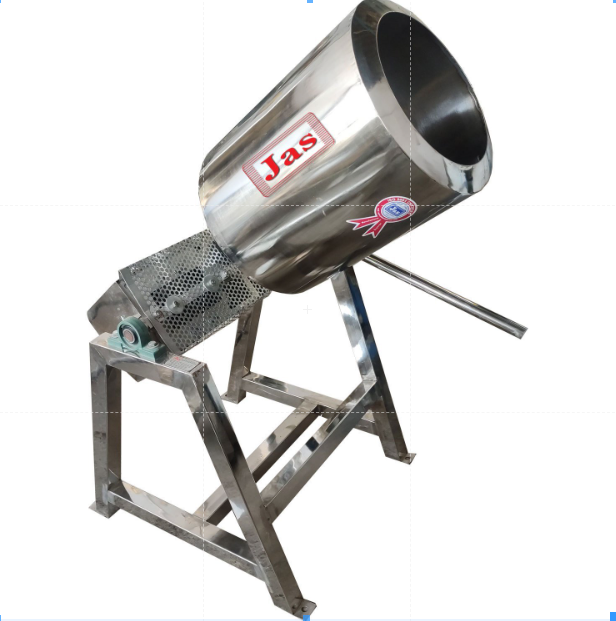






 Send Inquiry

 Send Inquiry
 Send Inquiry
 Send SMS


