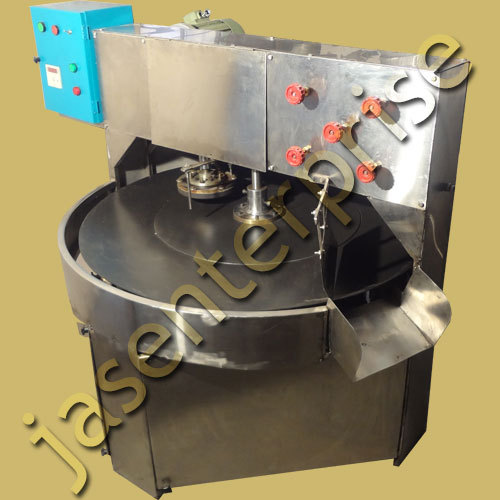
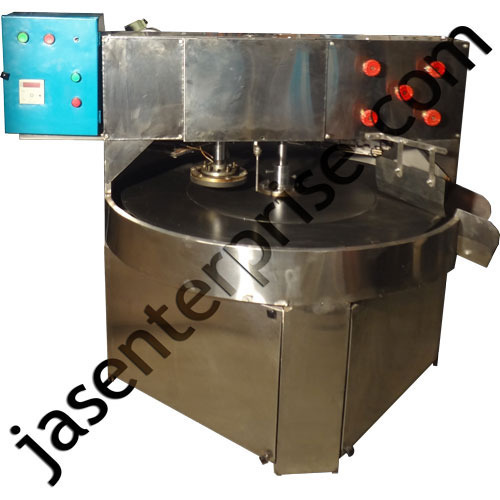
About Jowar Roti Making Machine
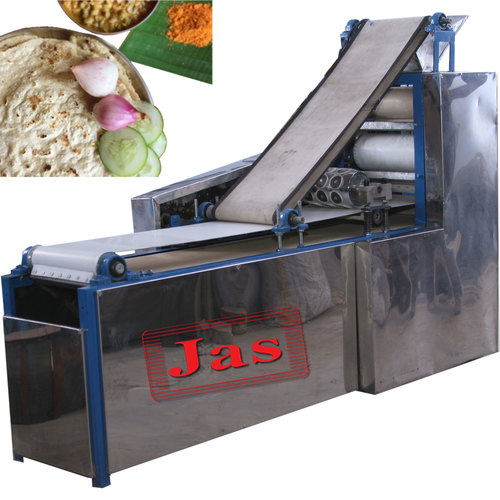
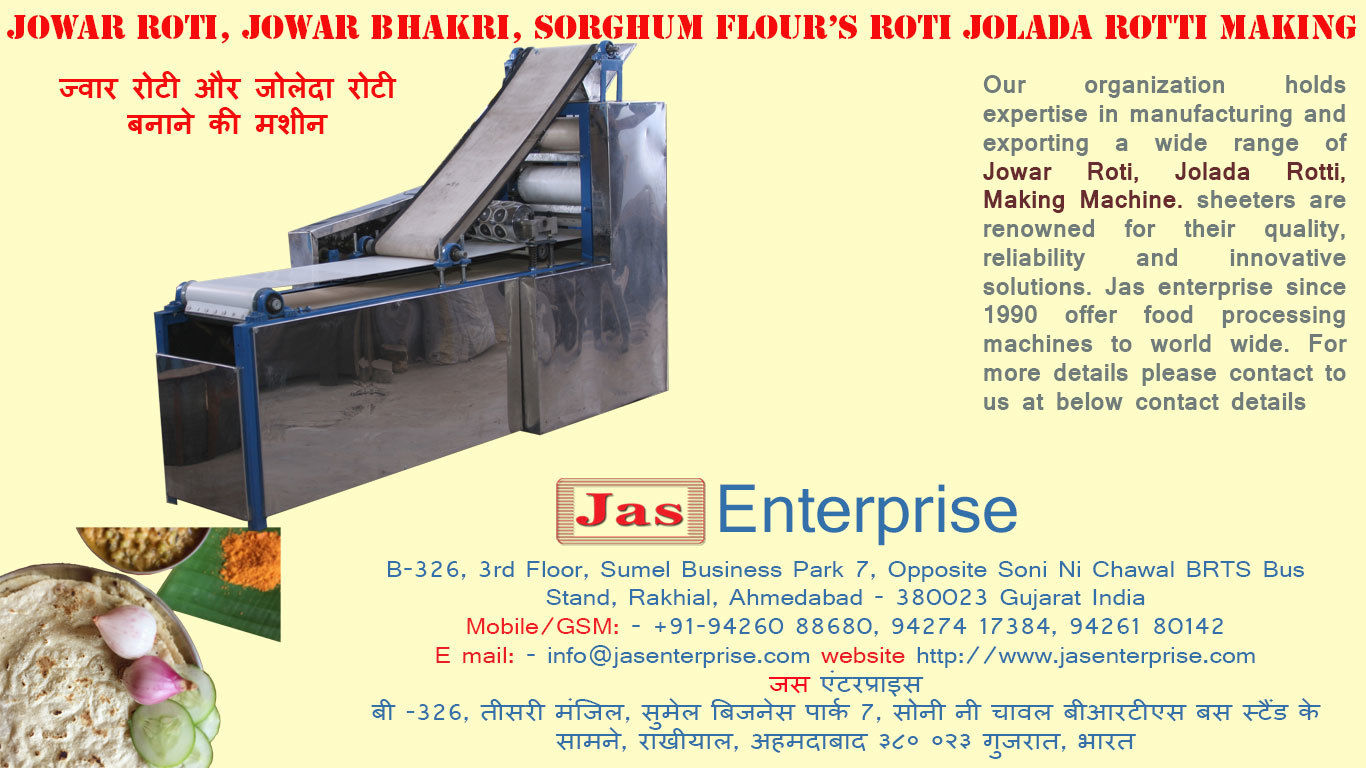
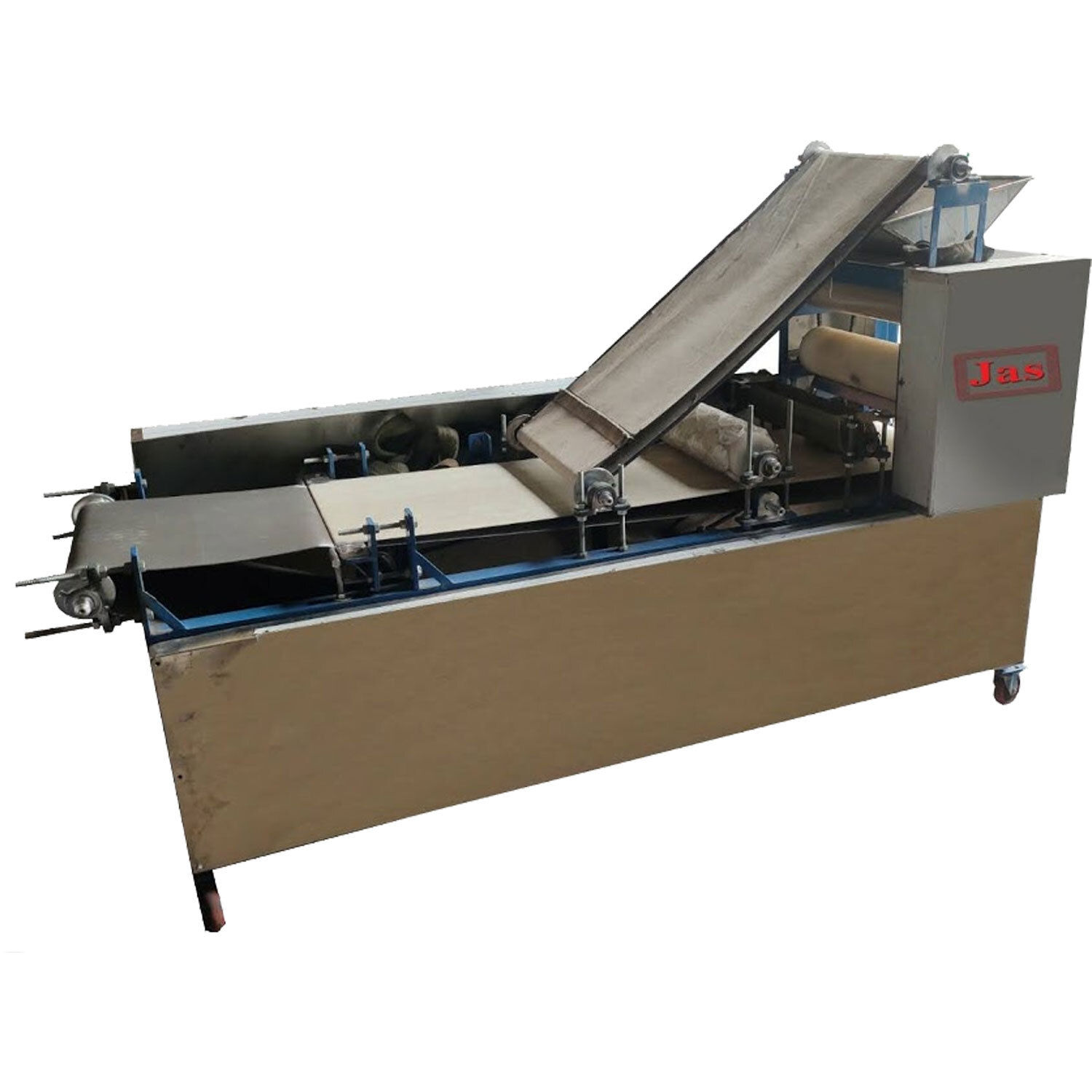
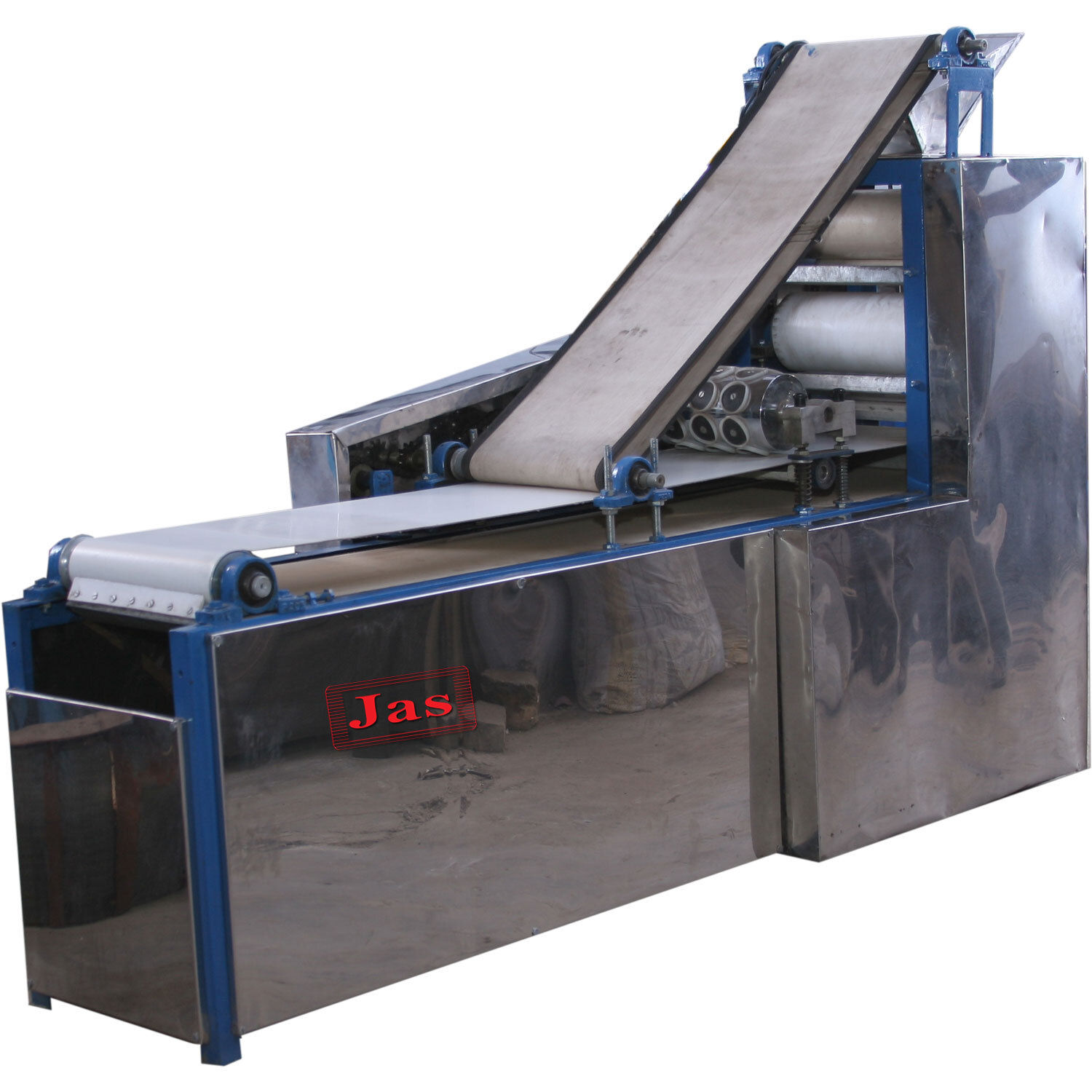
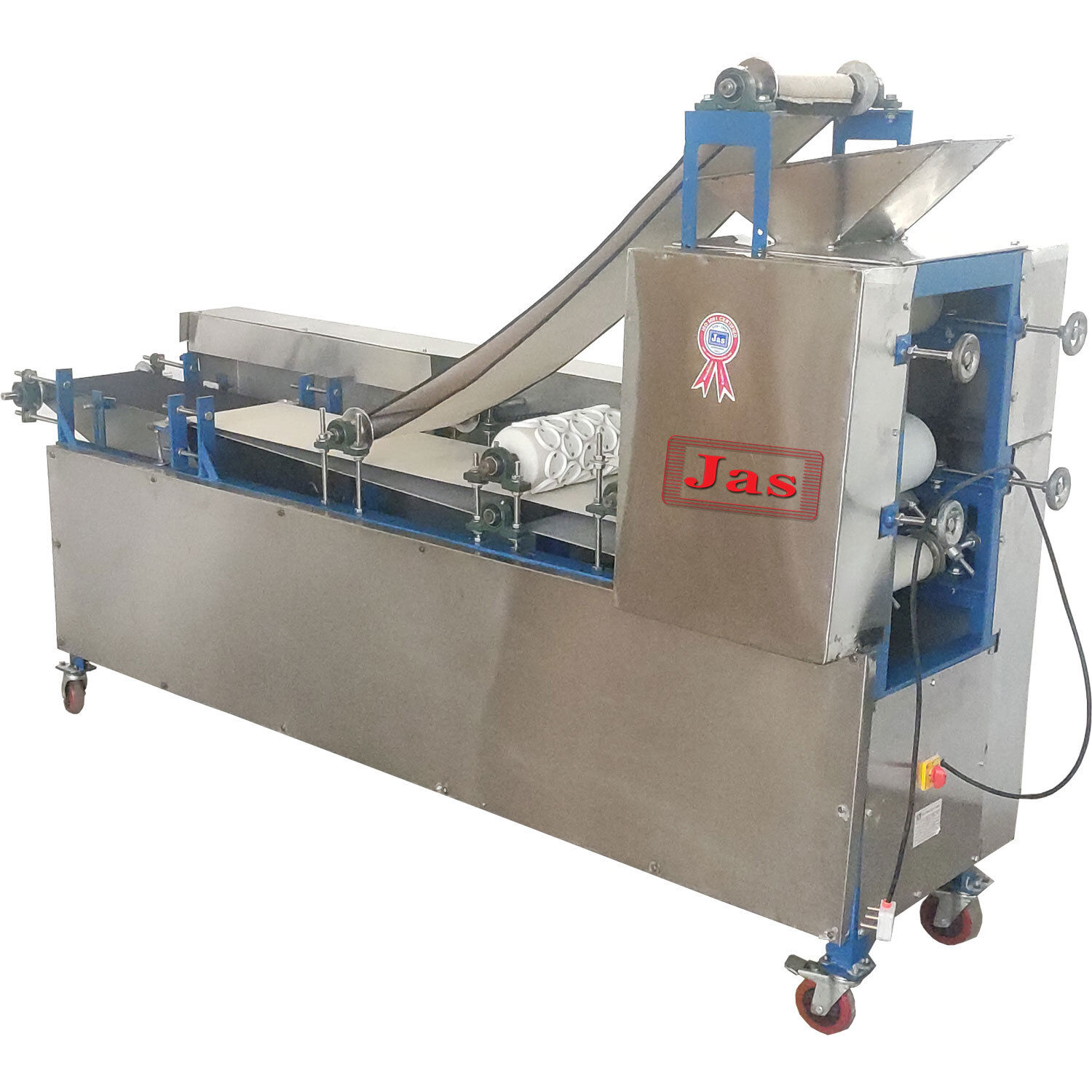
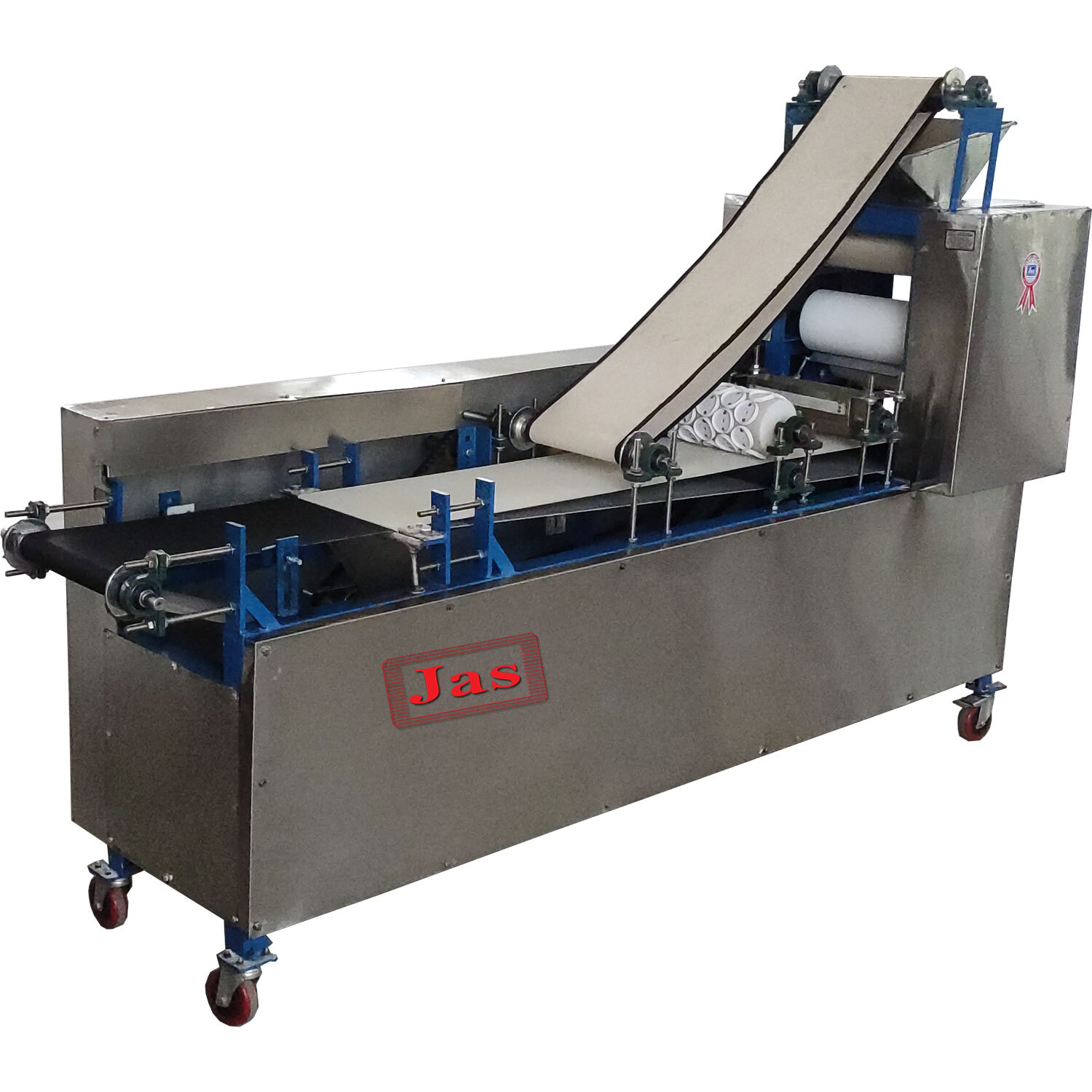
The Jowar Roti Making Machine is a semi-automatic solution designed for efficient and hygienic production of jowar roti, jowar bhakri, and jolada rotti. Manufactured using high-quality food-grade materials, this machine is ideal for commercial kitchens and food processing units. With a robust capacity of 500 kg/hr and a compact weight of 180 kg, it delivers consistent, round rotis with a uniform thickness of 1 millimeter. Operable on 110/220/380/415 Volt power supply, the machine ensures reliable performance without the complexity of automation, PLC, or computerized controls. Made in Ahmedabad, Gujarat, India, this equipment is perfect for scaling up traditional flatbread production while retaining authentic taste and texture.
FAQs of Jowar Roti Making Machine:
Q: What types of products can be made using this Jowar Roti Making Machine?
A: The machine is suitable for making jowar roti, jowar bhakri, and jolada rotti.
Q: Is this machine fully automatic?
A: No, it is a semi-automatic machine and does not include computerized or PLC controls.
Q: What is the production capacity of the machine?
A: It can produce up to 500 kilograms of jowar-based rotis per hour.
Q: What shape and thickness does the machine produce?
A: It produces round rotis with a consistent thickness of 1 millimeter.
Q: Where is this machine manufactured?
A: This machine is manufactured and supplied from Ahmedabad, Gujarat, India.
Efficient and Reliable Roti ProductionThis jowar roti making machine delivers high output up to 500 kg per hour, ideal for environments with high demand. It produces round rotis consistently at a precise thickness of 1 mm, ensuring uniformity for every batch. Its manual controls offer reliability and simplicity without the need for computerized settings.
Versatile Voltage CompatibilityThe machine accommodates multiple voltage standards110, 220, 380, and 415 Voltsallowing installation in varied industrial and commercial settings across India. Its sturdy, food-grade construction ensures durability and safety in continuous operations.
Perfect for Multiple ApplicationsSpecifically engineered for jowar roti, bhakri, and jolada rotti, this machine caters to different regional preferences and menus. It is ideally distributed, exported, supplied, and retailed by leading providers in India, guaranteeing accessibility for diverse user requirements.
FAQs of Jowar Roti Making Machine:
Q: How does the Jowar Roti Making Machine operate without automatic or computerized controls?
A: The machine is designed for manual operation without automation or computerized controls, offering simple, hands-on use. Operators manually control the process, resulting in precise, customizable results and low maintenance requirements.
Q: What types of jowar-based products can be made with this machine?
A: This machine is suitable for making round jowar roti, jowar bhakri, and jolada rotti, accommodating a range of regional Indian flatbreads with consistent thickness and shape.
Q: When is the Jowar Roti Making Machine ideal to use in a business setup?
A: This machine is best suited for busy commercial kitchens, catering companies, restaurants, or wholesale operations needing large quantities of uniform rotis, especially when high-volume, consistent output is required.
Q: Where can the Jowar Roti Making Machine be installed?
A: Thanks to its voltage compatibility and robust build, the machine can be installed in a variety of settings, including restaurants, factories, and food processing units across India, wherever local voltage provisions (110/220/380/415 V) are available.
Q: What is the process for creating rotis using this equipment?
A: The process involves preparing jowar dough and feeding it into the machine. The operator then manually shapes and presses the dough into round rotis, which the machine flattens to a 1 mm thickness, ready for further cooking.
Q: What are the key benefits of using this non-automatic jowar roti making machine?
A: Major benefits include high production capacity, simple manual operation, flexibility for varying recipes, and the assurance of food-grade safety. It is cost-effective, requires minimal technical training, and provides reliable performance for large-scale food preparation.








 Send Inquiry

 Send Inquiry
 Send Inquiry
 Send SMS


