About Millet Processing plant
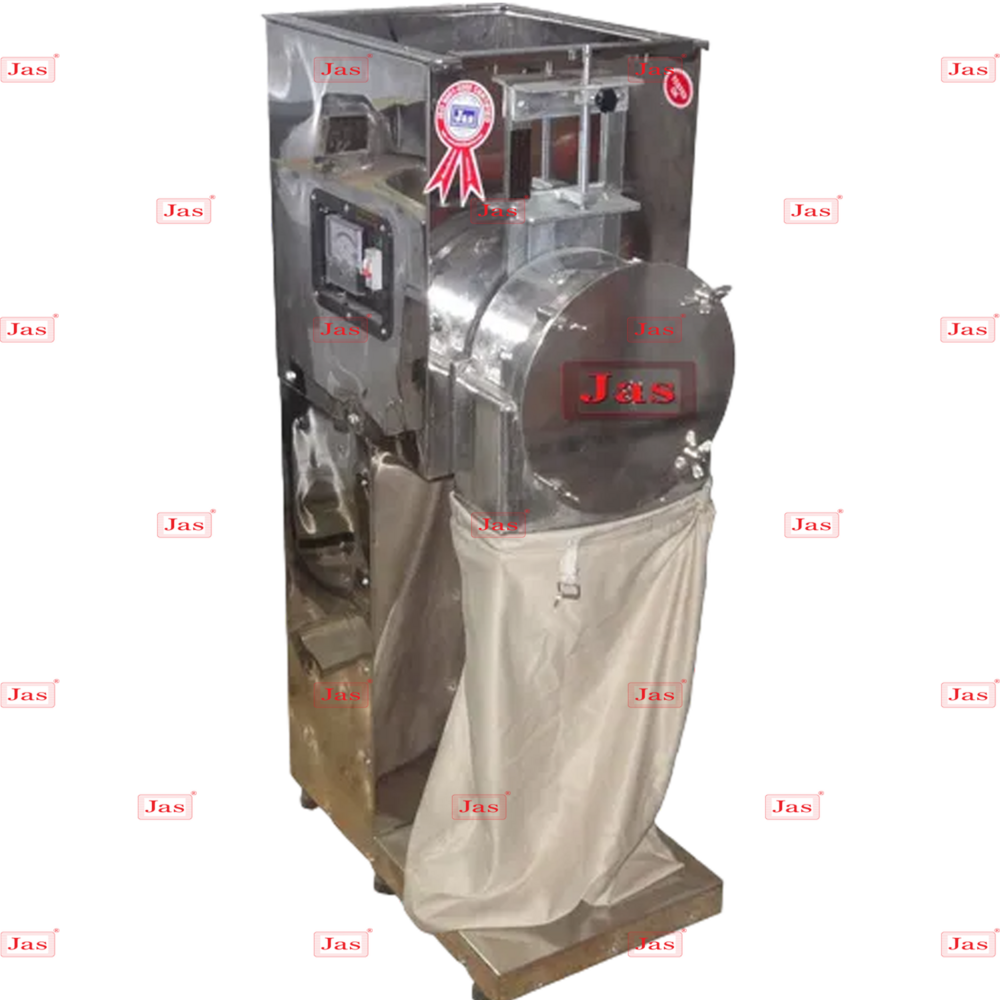
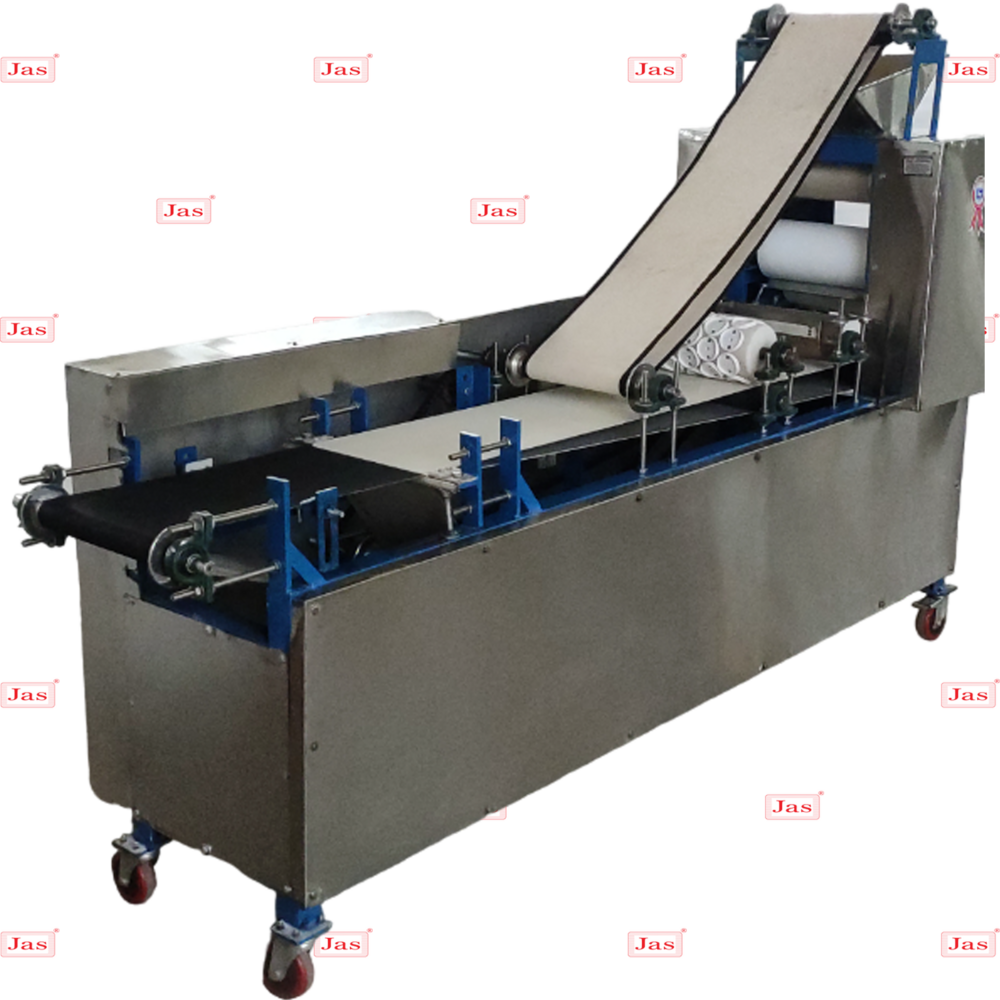
A Millet Processing Plant is a specialized facility designed to handle the post-harvest processing of various millet grains such as pearl millet (bajra), finger millet (ragi), foxtail millet, barnyard millet, little millet, kodo millet, and proso millet. The main objective of the plant is to convert raw, harvested millet into clean, dehusked, polished, and ready-to-use grain that meets market and consumer standards.
The plant is typically equipped with a series of interconnected machines that perform critical operations, including pre-cleaning, grading, destoning, dehusking, polishing, and packaging. The pre-cleaning stage removes dust, stones, stalks, and other foreign materials. In the grading phase, grains are separated based on size and weight to ensure uniformity. The destoning process eliminates any remaining heavy particles, such as stones and soil clods, to ensure safety and quality.
Durable Stainless Steel ConstructionEngineered with corrosion-resistant stainless steel, our millet processing plant ensures a long equipment lifecycle even under heavy industrial use. Its robust build minimizes maintenance and maximizes uptime, supporting reliable millet processing across various commercial setups.
Manual and Reliable OperationThis millet plant features manual controls, allowing for greater hands-on management and fewer electronic malfunctions. Without automatic or CNC systems, operators retain full oversight, making the plant straightforward to use, repair, and adjust according to specific processing requirements.
Eco-Friendly and Energy EfficientDesigned for sustainability, the plant runs quietly with lower noise emissions, consumes minimal energy, and maintains high efficiency. Its eco-friendly characteristics make it ideal for businesses concerned about both operational performance and environmental responsibility.
FAQ's of Millet Processing plant:
Q: How does the millet processing plant operate without computerized or CNC controls?
A: The millet processing plant uses a manual control system, allowing operators to oversee the process directly. This straightforward approach improves reliability, makes adjustments simple, and eliminates the risk of electronic failures associated with computerized systems.
Q: What is the capacity range of this millet processing plant, and can it handle industrial-scale output?
A: The plant offers a capacity between 8 and 200 kg per hour, making it suitable for a range of industrial applications. Whether for small-scale or higher-volume operations, the machine handles varied processing requirements efficiently.
Q: When is routine maintenance recommended for this plant?
A: Routine maintenance, such as cleaning and mechanical inspections, should be performed regularly-typically after every processing cycle or as per manufacturer guidelines-to ensure optimal performance and longevity of the equipment.
Q: Where can this millet processing plant be installed, and is it suitable for use across India?
A: The plant is designed for versatile installation in industrial environments and commercial processing setups. With voltage compatibility of 230/440V, it is well-suited to locations across India, catering to manufacturers, distributors, wholesalers, and retailers.
Q: What benefits does this manual millet processing plant provide over automatic machines?
A: Manual operation offers direct control, ease of use, and simpler troubleshooting. The absence of complex electronic systems reduces downtime, and the sturdy construction ensures high efficiency, lower noise, minimal energy use, and a smaller environmental footprint.
Q: How does the millet processing process work in this plant?
A: The plant processes millet through stages such as cleaning, dehusking, and polishing, all managed manually by the operator. High-performance components ensure that the grains are efficiently processed, meeting industrial standards while maintaining product quality.









 Send Inquiry

 Send Inquiry
 Send Inquiry
 Send SMS


