-
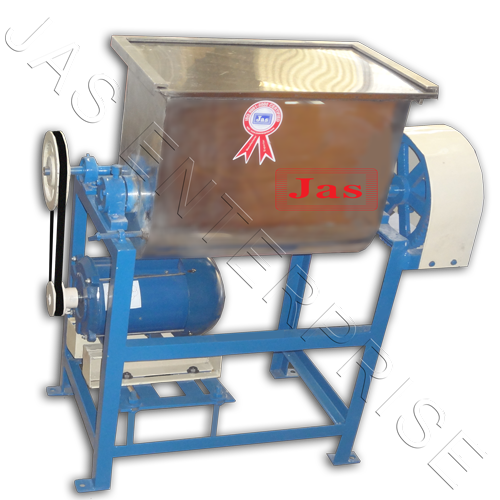
Ingredients Mixing: The process starts with mixing ingredients, typically flour, water, and sometimes other additives like salt or eggs. This mixture forms a dough or paste.
-
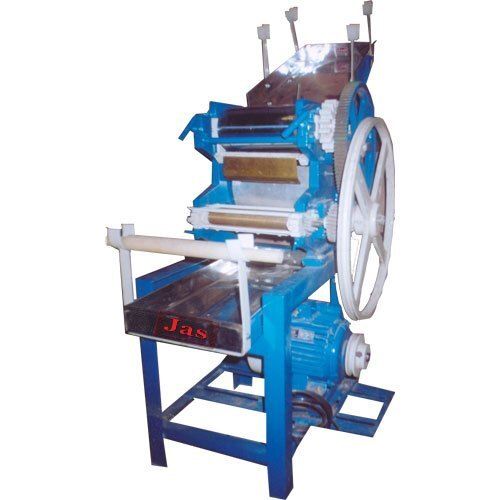
Extrusion Process: The dough is then fed into an extruder, which consists of a barrel and a rotating screw. The screw pushes the dough through a series of chambers, where it is mixed and kneaded.
-
Shaping: As the dough moves through the extruder, it is forced through a die (a metal plate with holes) that shapes it into the desired noodle form. The die can create various noodle shapes and sizes, from thin spaghetti to wide fettuccine.
-
Cutting: After the dough is extruded into the desired shape, it is cut into lengths by a cutting mechanism. This can be done with rotating blades or a knife.
-
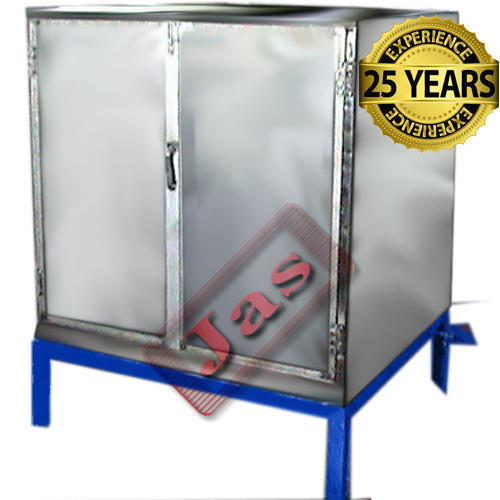
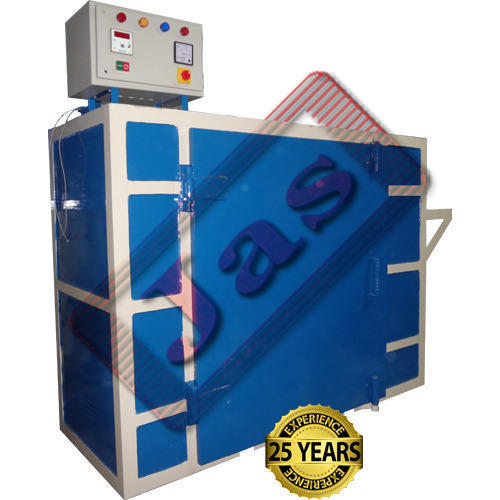
Drying/Cooling: The noodles are then cooled or dried, depending on whether they are to be sold fresh or dry. Drying is often done using a hot air oven or a continuous dryer.
-
Packaging: Once the noodles are dried and cooled, they are packaged for distribution.
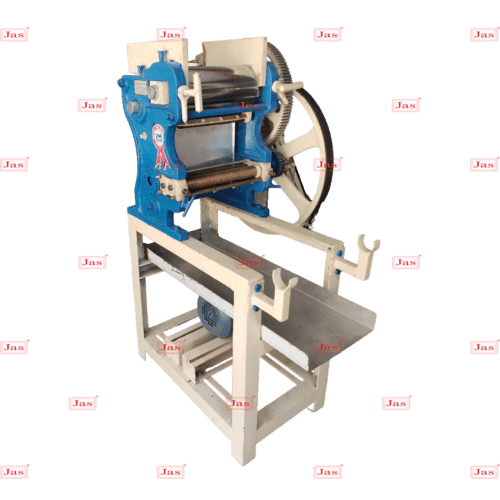
Engineered with a focus on energy efficiency and a compact build, the Noodle Extrusion Machine maximizes space utilization while minimizing operational costs. The robust stainless steel structure enhances its lifespan and maintains hygiene, suitable for both small-scale and large-scale facilities.
This machine operates at remarkably low noise levels, providing a comfortable working environment. Its design optimizes energy usage, aligning with environmental standards, and reducing the overall carbon footprint. These features make it an environmentally responsible and employee-friendly choice.
FAQs of Noodle Extrusion Machine:
Q: How does the automatic noodle extrusion process work in this machine?
A: The machine automates the entire noodle production process, including mixing, kneading, and extruding, by using an electric motor and precise mechanical components. Operators simply load the ingredients, select the desired parameters, and the machine continuously extrudes noodles at the set capacity.
Q: What materials and voltage is the machine suitable for?
A: Made from high-grade stainless steel, this machine is sturdy and resistant to wear. It operates efficiently with a voltage of either 230 or 440 Volts, making it adaptable for different power supply standards across commercial facilities in India.
Q: When should maintenance be performed on the machine?
A: Routine maintenance, such as cleaning and inspection of components, should be conducted every few weeks, or more frequently if operating continuously. The included one-year warranty covers manufacturer defects and helps ensure uninterrupted performance.
Q: Where can businesses in India acquire this noodle extrusion machine?
A: The machine is readily available through distributors, exporters, manufacturers, retailers, suppliers, traders, and wholesalers throughout India. Support services are accessible for installation and after-sales inquiries.
Q: What is the typical usage of this noodle extrusion machine?
A: It is commonly used in commercial kitchens, food processing units, and medium-to-large scale noodle manufacturing plants to produce noodles efficiently and hygienically. The automatic system allows for high output with minimal labor.
Q: What benefits does this noodle extrusion machine offer to users?
A: Key advantages include high production efficiency, reduced energy consumption, low operational noise, compact space requirements, easy operation, and eco-friendly performance, making it both cost-effective and sustainable for businesses.








 Send Inquiry

 Send Inquiry
 Send Inquiry
 Send SMS


