About Thepla Making Machines
Methi thepla or simply thepla, a type of chapati (unleavened Indian flat bread), is a classic staple of Gujarati (Western India) cuisine. Thepla is typically made with flour, oil, water, salt, yogurt, large amount of fresh herbs, such as methi (fenugreek leaves), sometimes coriander leaves and a blend of spices including chili, turmeric and cumin powder. After the dough is formed and rested, it then divided into little equal sized balls, and then rolled out flat into round flat breads, finally cooked on a hot griddle or pan. Thepla is fragrant and has a longer shelf-life due to the large amount of spices used in the recipes, it often served with pickles, chutney and curries.JAS-APCM-601 Auto pressing type Thepla Making Machines are ideal for making thepla, chapati as well as numerous other types of flatbreads. The machines are designed to work with dough of various different consistency, viscosity and texture the dough into individual portions weighing from 15 gram per pc up to 200 gram per pc, with the capacity from 1,000 pcs/hr.
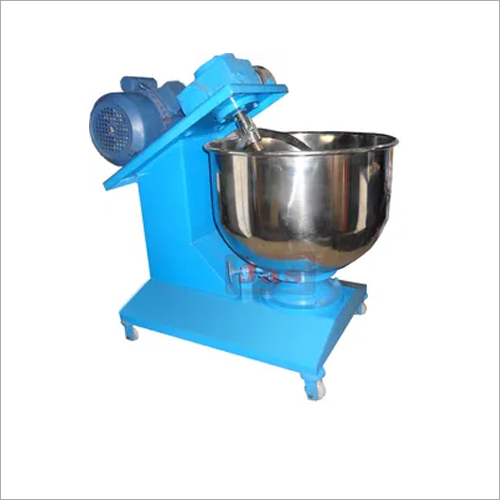
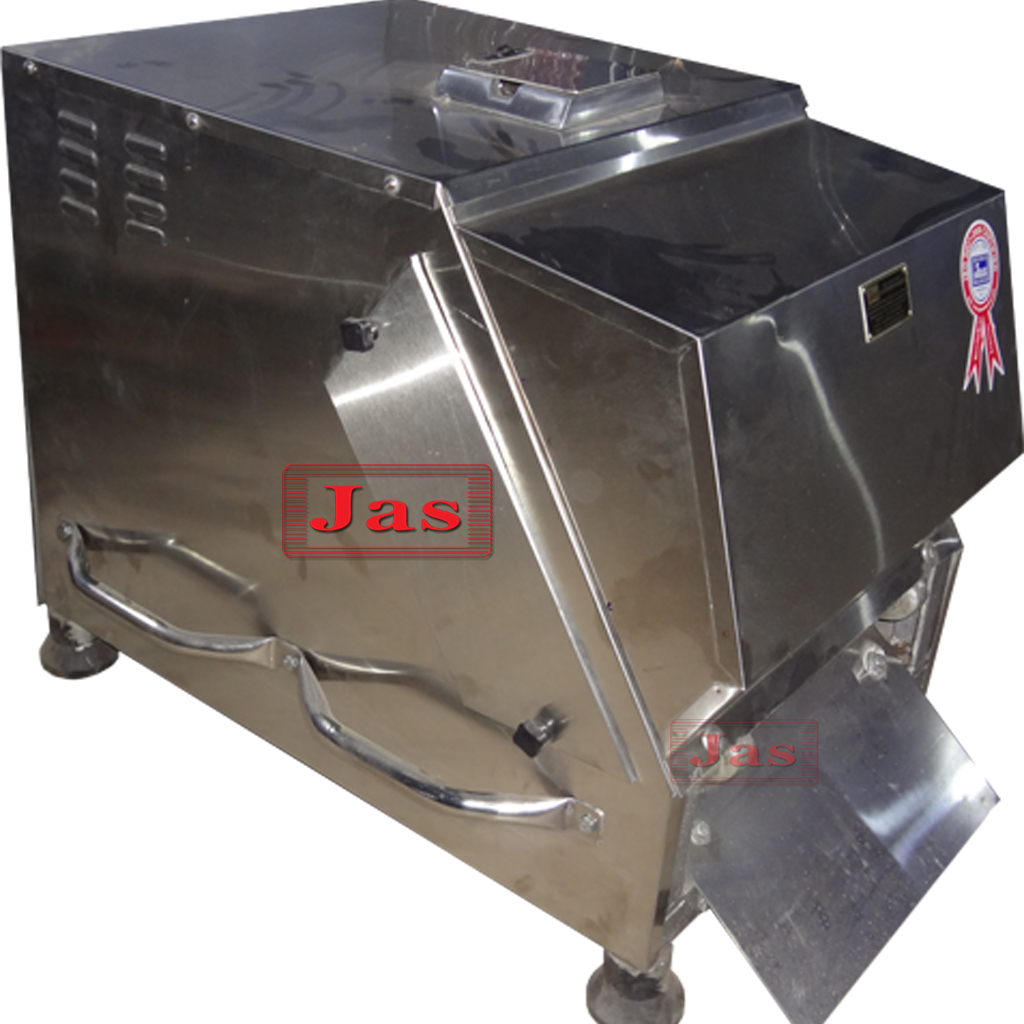
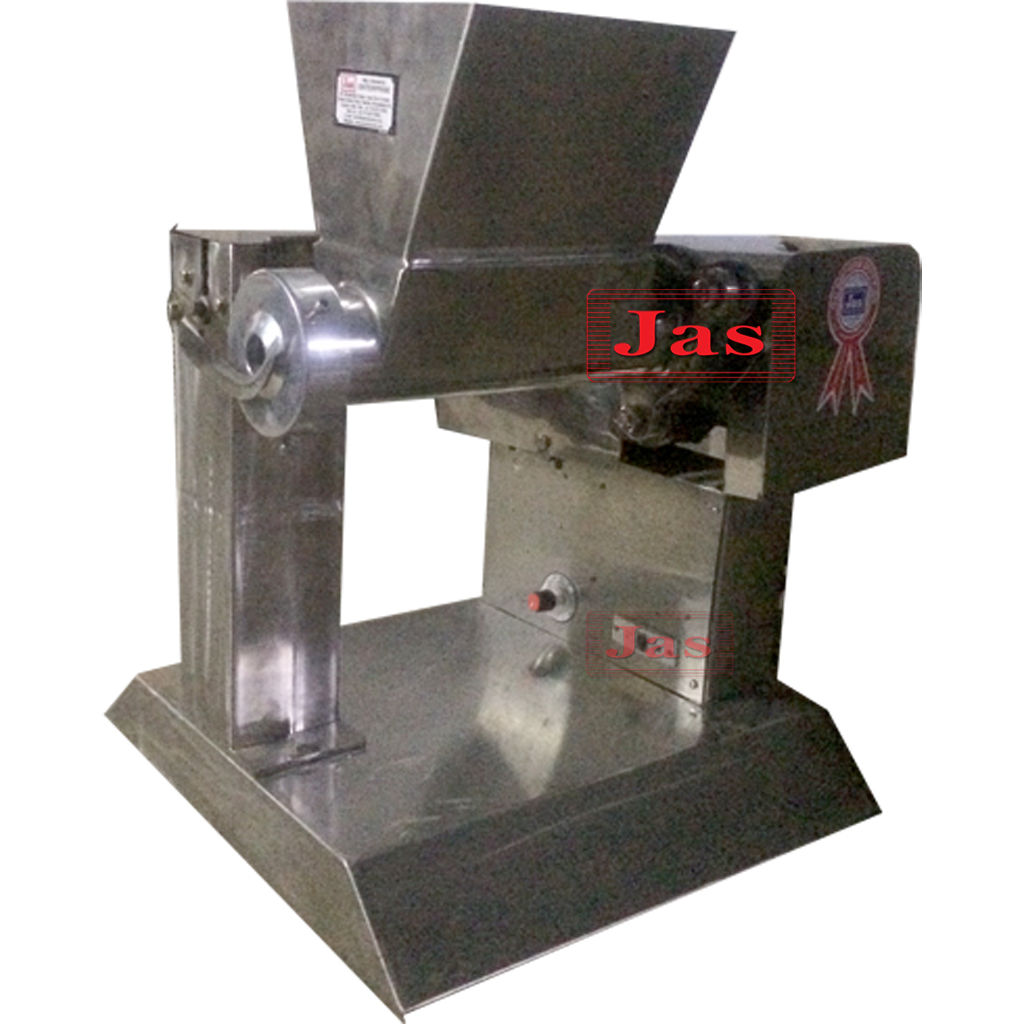
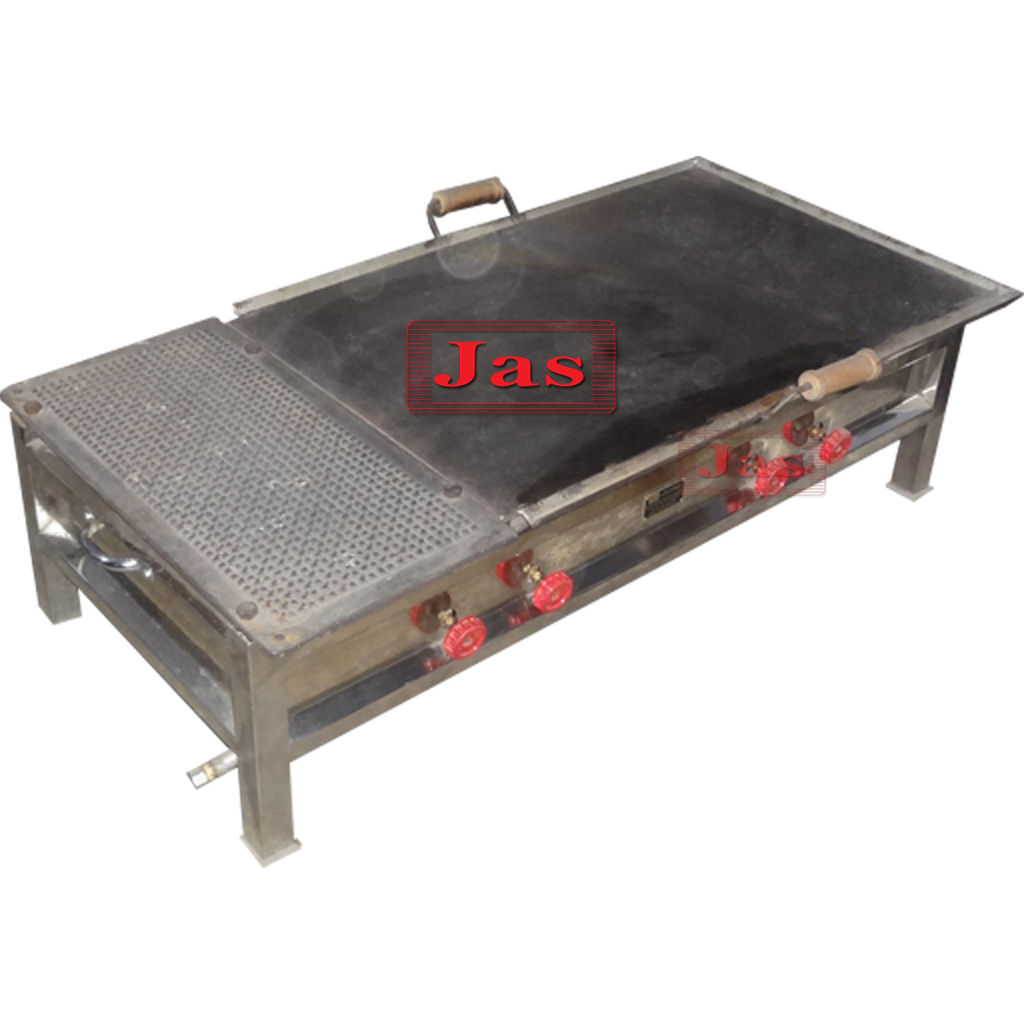
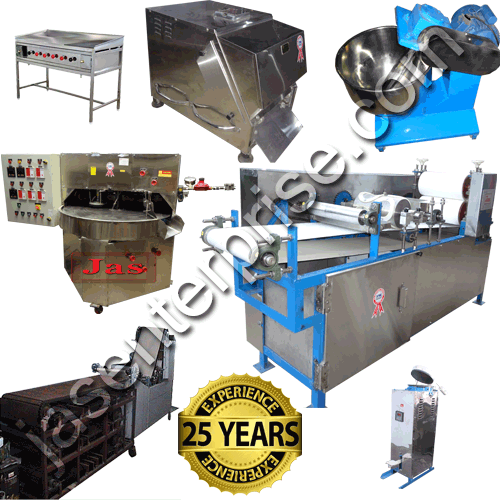
Thepla Making Machine required following machine
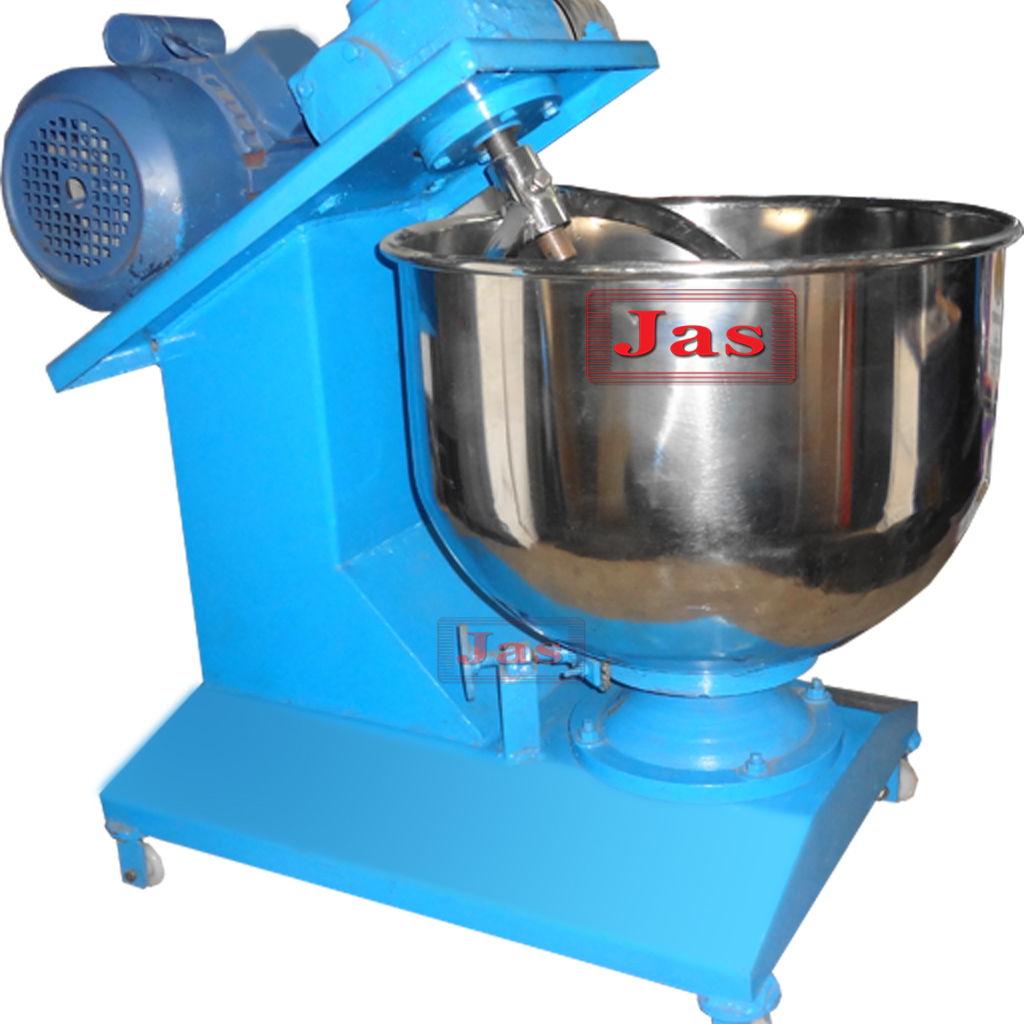
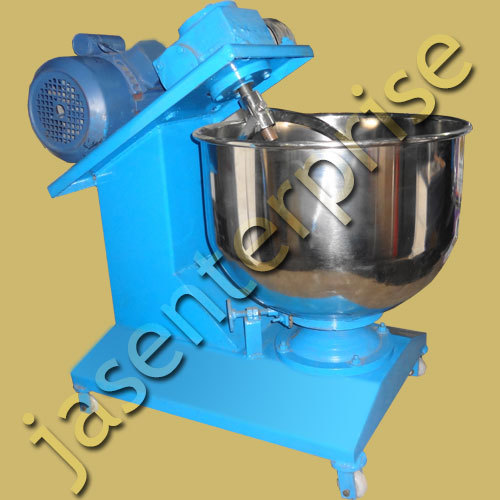
- Dough Kneader
- Dough Ball Making Machine
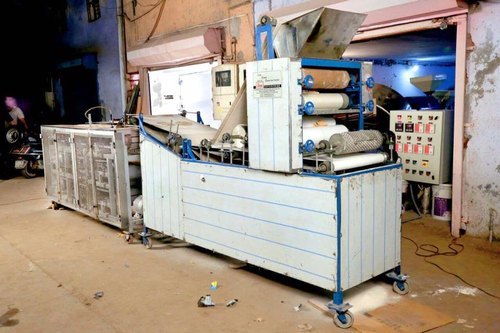
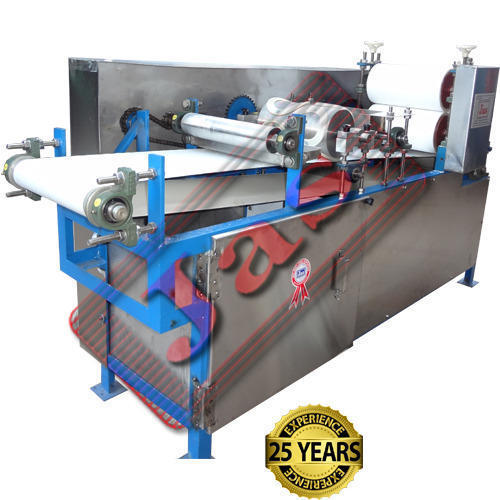
- Thepla Making Machine
- Hot Plate
Specification
|
Usage/Application
|
Thepla,chpatti,paratha etc. making
|
|
Batch Capacity
|
1000 numbers per hour
|
|
Capacity
|
1000 numbers per hour
|
|
Finishing
|
Mate Steel
|
|
Product Type
|
Semi automatic
|
|
Material Grade
|
Steel, aluminum
|
|
Power Source
|
Single phase
|
Exceptional Performance and VersatilityEquipped with a powerful mechanism, Thepla Making Machines streamline the production of multiple types of Indian flatbread, delivering consistent results at high speeds. The non-stick coating ensures smooth operation, easy cleaning, and reduced waste, while the robust steel and aluminium construction guarantees durability for continuous use in commercial environments.
Eco-Conscious and User-Friendly DesignThese machines not only promote environmentally friendly practices but also prioritize user safety and convenience. The easy-to-use controls support swift training of staff, while the thoughtful design enables seamless integration into various commercial workflows, making it a preferred choice for businesses in the food industry.
FAQs of Thepla Making Machines:
Q: What types of flatbreads can Thepla Making Machines process?
A: These machines are engineered to roll an array of Indian flatbreads, including thepla, paratha, chapati, and similar varieties. Their multi-functional design accommodates diverse recipes and batch sizes for commercial kitchens.
Q: How does the machines capacity benefit commercial use?
A: With a remarkable capacity of 1,000 Kg/hr, the machine enables large-scale production, meeting the demands of busy food establishments, wholesalers, and exporters, while ensuring timely delivery and elevated productivity.
Q: Where are Thepla Making Machines commonly used in India?
A: These machines find widespread application across food manufacturing units, hotels, catering services, restaurants, and retail food outlets. They are also popular among suppliers and distributors seeking to streamline bread production.
Q: What is the process for operating Thepla Making Machines?
A: The machines feature intuitive controls and are straightforward to operate. Simply prepare the flatbread dough, feed it into the machine, and select the appropriate settings for rolling. The non-stick surface ensures effortless release and minimal residue.
Q: When should businesses consider investing in Thepla Making Machines?
A: Businesses experiencing high demand for Indian flatbreads or expanding production capacity should consider these machines. Their efficiency and high output make them ideal for meeting bulk orders and upscaling operations.
Q: Which materials are used in the construction of these flatbread machines?
A: Thepla Making Machines are constructed using premium steel and aluminium, providing strength, corrosion resistance, and durability essential for continuous commercial use.
Q: What are the main benefits of using these machines for production?
A: Key advantages include high efficiency, environmentally friendly operation, reduced manual labor, consistent quality results, easy cleaning due to the non-stick coating, and adaptability for various Indian flatbreads.








 Send Inquiry

 Send Inquiry
 Send Inquiry
 Send SMS


