About Roti Maker
Being a customer oriented organization, we are deeply engaged in offering a wide array of
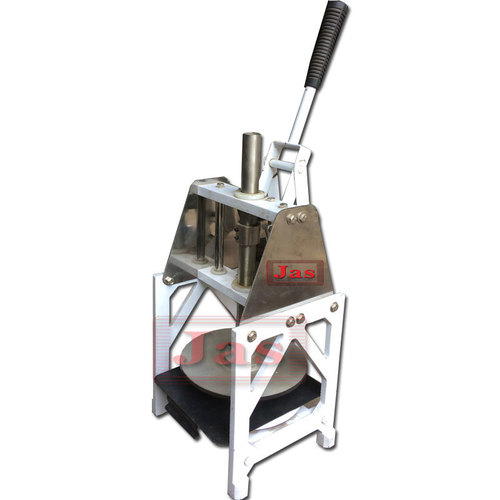
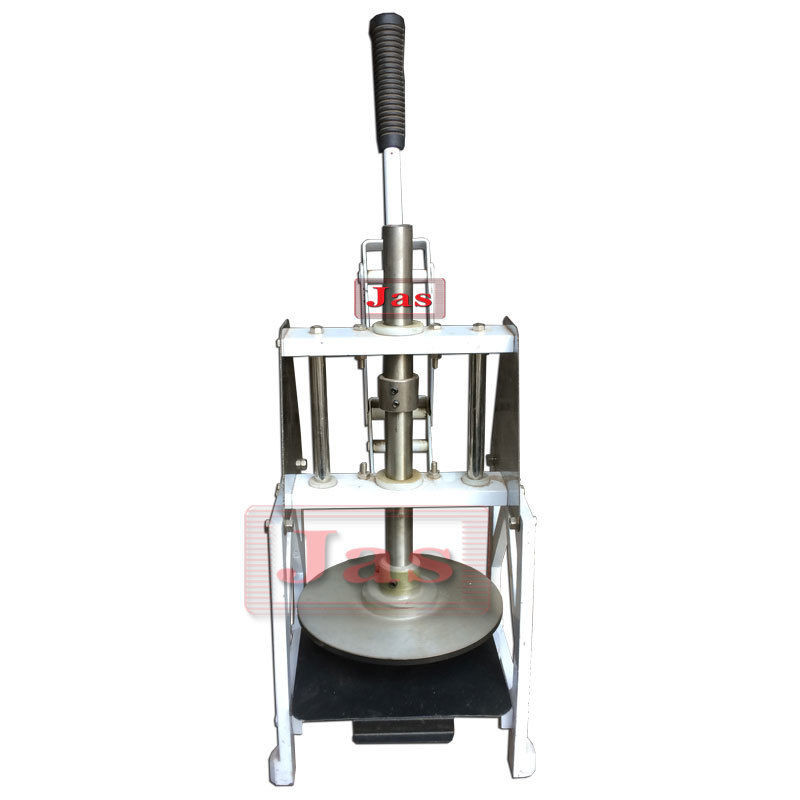
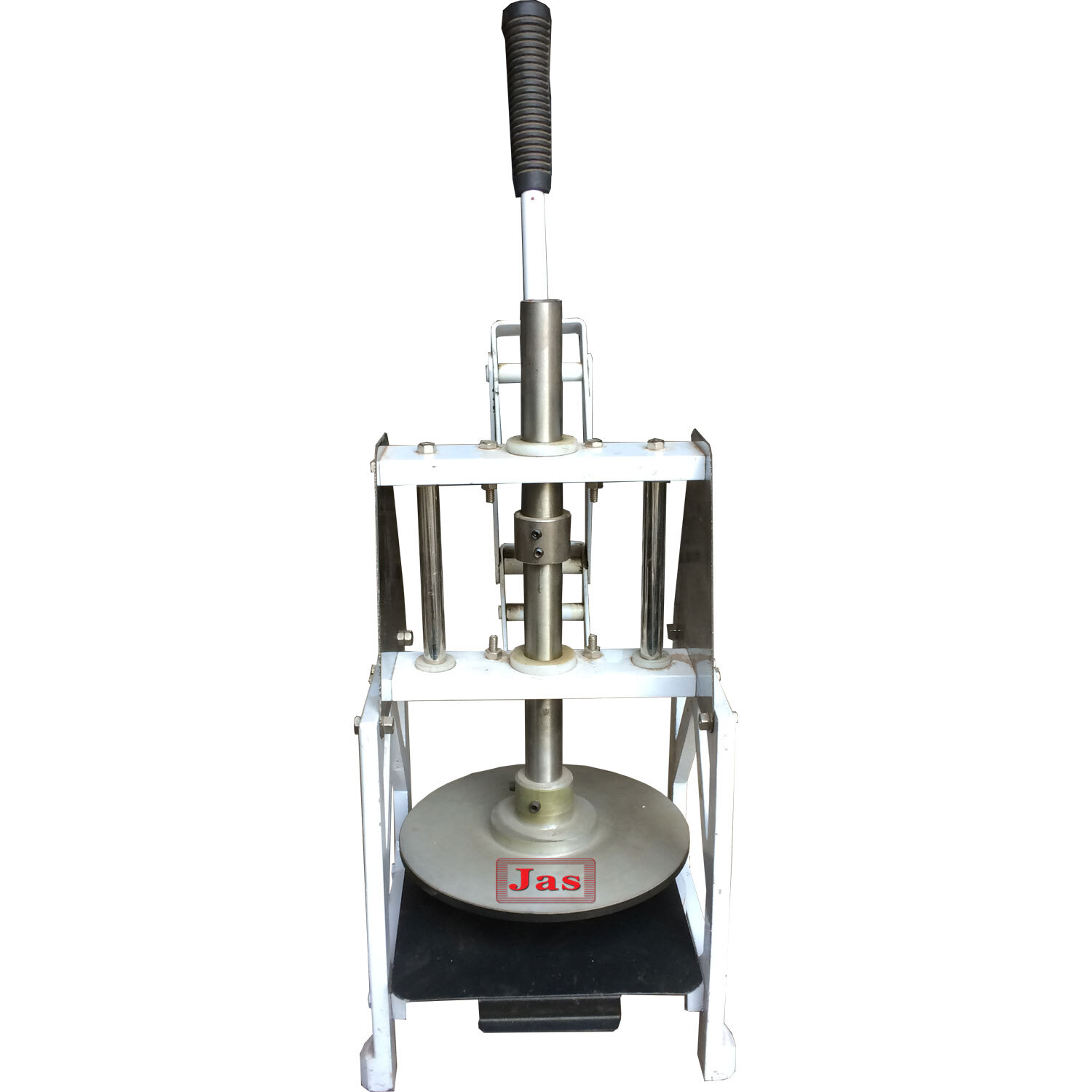
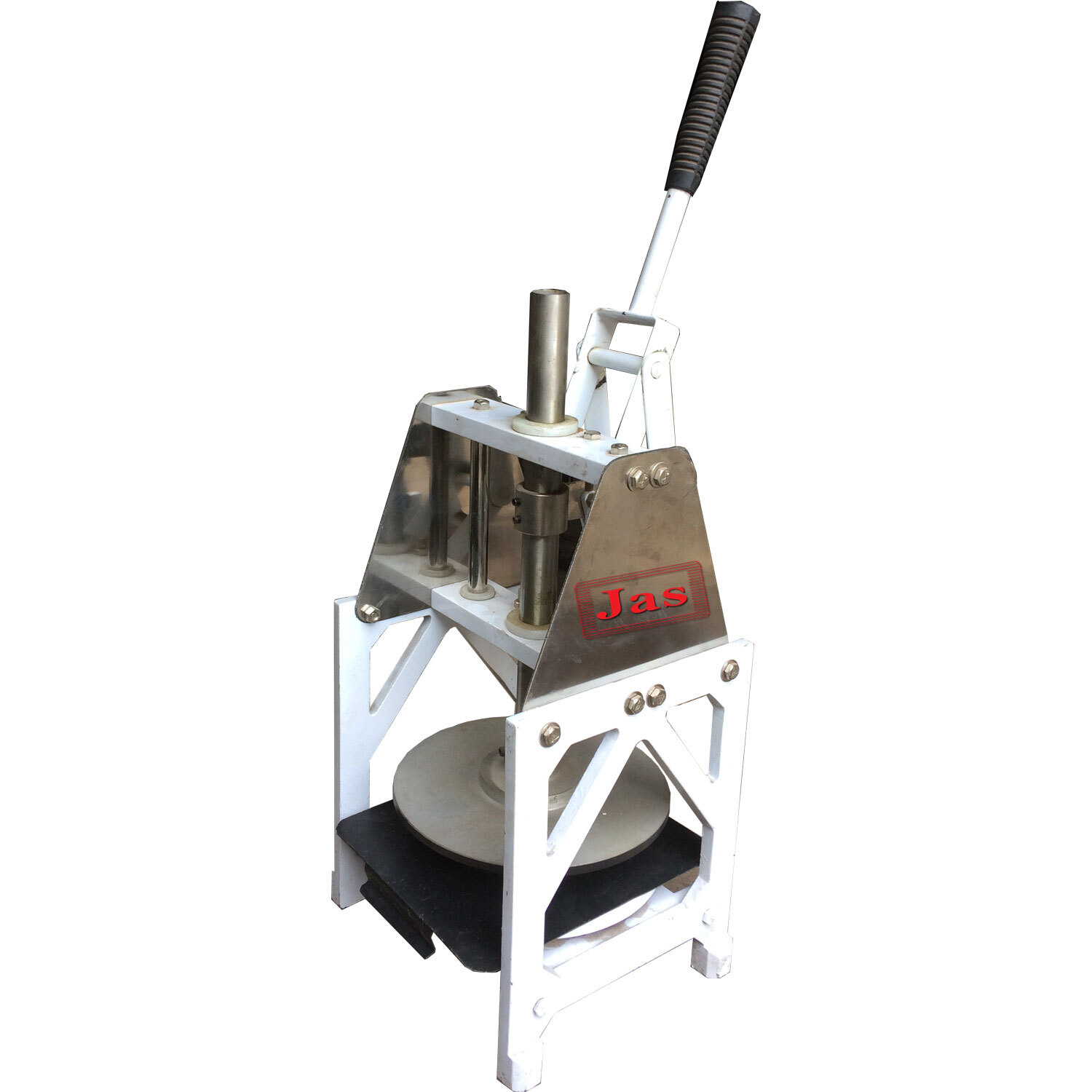
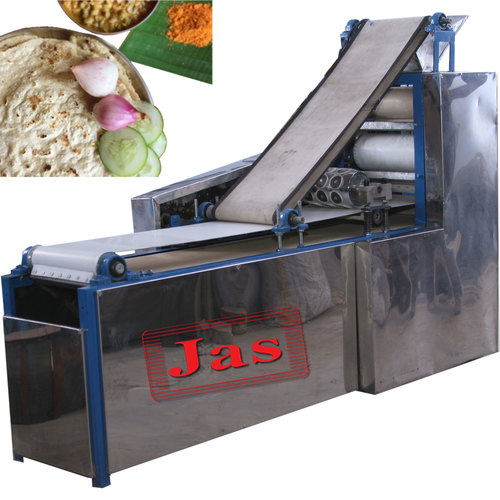
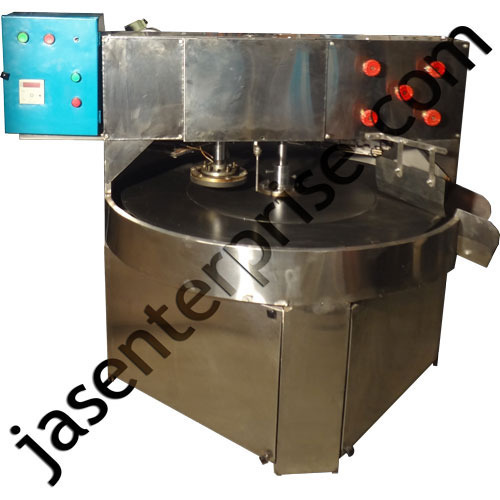
Manual Chapati Making Machine. Jas Enterprises Manual Chapati, tortilla roti maker are mostly known as "Chapati Maker" or "
Roti Maker" but also sometimes known by the other names like Pani Puri Making Machine, Rice Papadi Machine, Bhakri Making Machine, Rice Bhakri Making Machine, Manual Rice Bhakri Making Machine, Manually Hand Pressing Pani Puri Making Machine, Chapati Making Machine, hand operated Chapati Making Machine, Manual Chapati Making Machine, JAS Chapati Making Machine, Thepla Making Machine, Manual Thepla Making Machine, Papad Making Machine, Papadi Making Machine or Manual Papadi Making Machine.
Engineered for High EfficiencyThis Roti Maker stands out thanks to its impressive 200-400 chapati per hour capacity, making it perfect for food service establishments looking to boost productivity. Crafted with premium stainless steel and aluminum, it ensures durability and longevity, while its non-automatic operation makes it user-friendly and easy to maintain.
Versatile Solutions for BusinessesWhether youre a distributor, retailer, or wholesaler, this Roti Maker can scale to meet your commercial requirements. Its powerful 440 Volt system ensures consistent performance, while the chic white, blue, and black color options allow it to fit seamlessly into various kitchen environments across India.
FAQs of Roti Maker:
Q: How do you operate the non-automatic roti maker?
A: To operate this non-automatic roti maker, simply prepare dough, manually feed dough balls into the press, and use the lever or handle to flatten and cook chapatis. Since its not computerized or automatic, operation involves direct user input, offering better control over texture and thickness.
Q: What capacity does the roti maker handle per hour?
A: This roti maker can produce between 200 and 400 chapatis per hour, making it suitable for commercial establishments such as restaurants, hotels, and catering services that require consistent high-volume output.
Q: Where is this roti maker commonly used in India?
A: The roti maker is popular in various commercial applications across India, including restaurants, hotels, industrial kitchens, catering companies, and institutional cafeterias that need efficient, bulk chapati production.
Q: When should a business consider using this roti maker?
A: Businesses should consider this roti maker when they need to fulfill high-volume chapati requirements promptly and efficiently, especially in peak service hours or for large events, to streamline operations and save labor costs.
Q: What materials are used in the construction, and why are they beneficial?
A: Manufactured with stainless steel and aluminum, this roti maker is rust-resistant, sturdy, and easy to clean, thus promoting food safety and ensuring longevity even with constant use in busy kitchens.
Q: What is the process for cleaning and maintaining the roti maker?
A: After use, turn off the power supply and let the machine cool. Remove any leftover dough, and wipe the surfaces with a damp cloth. Regularly check for any buildup or residue, and ensure all components are dry before use to maintain hygiene and performance.
Q: What are the key benefits of choosing this roti maker for your business?
A: Key benefits include high output capacity, durable metal construction, compatibility with standard 440 Volt power supplies, and adaptability for commercial environments. Its manual operation offers precision, while the range of colors adds flexibility for different kitchen aesthetics.








 Send Inquiry

 Send Inquiry
 Send Inquiry
 Send SMS


